
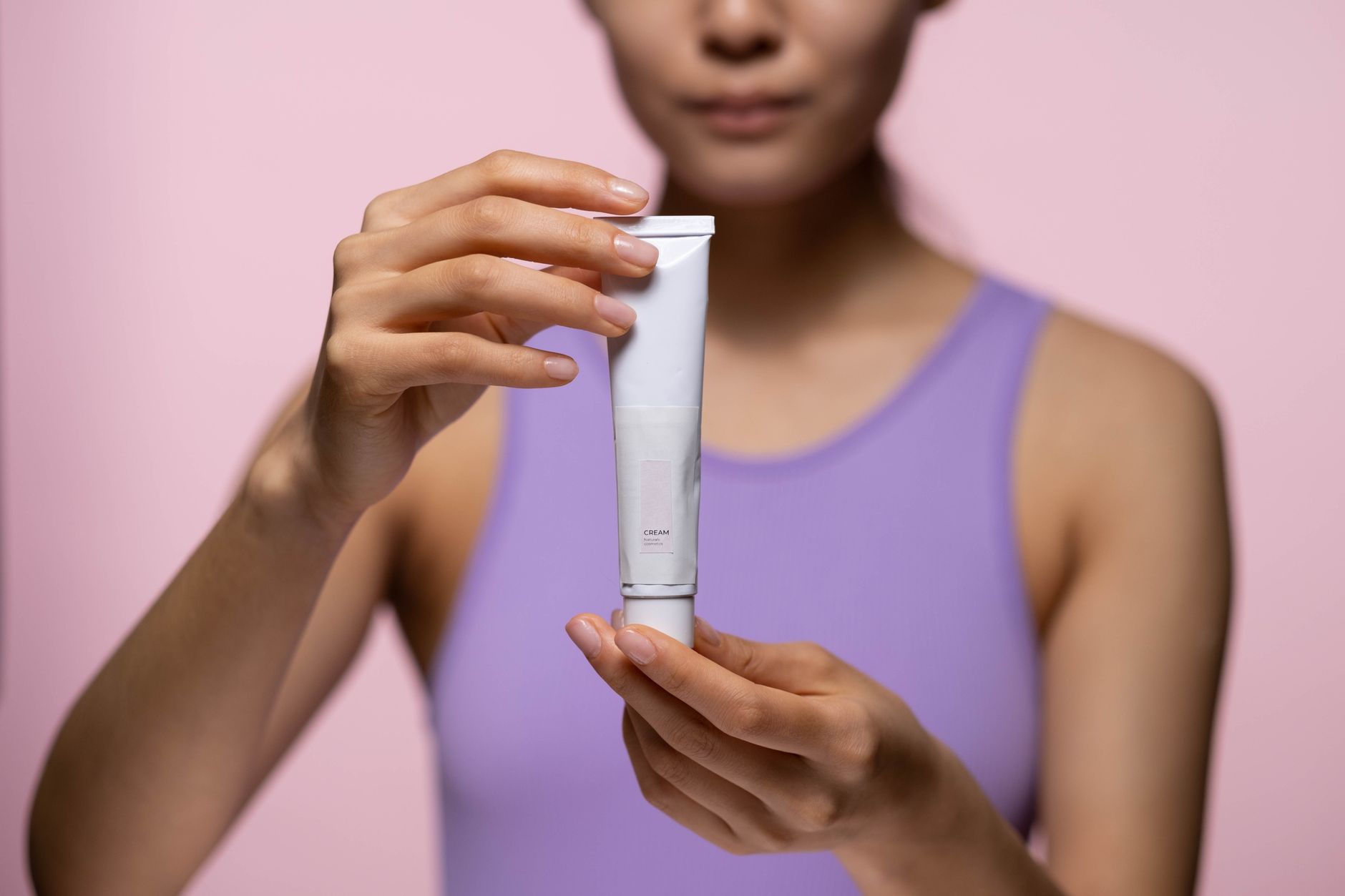
Yes, non-comedogenic moisturizers can help limit blackhead buildup. Non-comedogenic means a product is made to avoid blocking pores. Blackheads are open acne comedones where oil and dead skin clog a hair follicle. According to Cleveland Clinic, the dark color is irregular light reflection off the plug, not trapped dirt, as explained in Cleveland Clinic's blackhead guide.
Medical information disclaimer: This article is for general educational purposes only and does not provide medical advice, diagnosis, or treatment. Always consult a physician or other qualified health professional about symptoms, medications, tests, or treatment decisions.
Table of Contents
- What clogs pores and forms blackheads?
- What makes a moisturizer non-comedogenic?
- Do these moisturizers clear blackheads alone?
- How should you pair moisturizer with treatment?
- What routine helps you see results?
What clogs pores and forms blackheads?
Excess oil mixes with dead skin inside a hair follicle. The mixture forms a plug that hardens near the surface. Air exposure does not make it dirty.
Skipping moisturizer does not prevent this process. Dry, irritated skin can flake and add more dead cells to pores. Steady hydration keeps the surface barrier calmer and more flexible.
What makes a moisturizer non-comedogenic?
These formulas avoid heavy, strongly pore-blocking oils. Medical News Today lists cocoa butter, lanolin, coconut oil and wheat-germ oil as common ingredients left out.
They use lighter hydrators instead, such as glycerin, aloe vera and vitamin C. According to the American Academy of Dermatology, people with oily skin should choose products labeled oil free and noncomedogenic to reduce blockage, as advised in the Academy's oily-skin guidance.
Do these moisturizers clear blackheads alone?
A moisturizer mainly prevents added blockage and supports healthy skin. It does not dissolve an existing plug as directly as active treatments do.
Cleveland Clinic notes that nonprescription salicylic acid cleansers or lotions help remove damaged surface skin and dissolve dead cells before they clog follicles. Topical retinoids including adapalene, tretinoin, tazarotene and trifarotene are strongly recommended in the 2024 acne guidelines to unclog pores and reduce comedones, according to Practical Dermatology reporting on the guidelines in its acne-guidelines report.
How should you pair moisturizer with treatment?
Use the moisturizer to help skin tolerate salicylic acid or a retinoid. These treatments can cause dryness, peeling and sun sensitivity.
Ithaca Dermatology retinoid instructions tell patients to use a noncomedogenic, oil-free, nonmedicated moisturizer plus daily broad-spectrum SPF 30+ sunscreen. Apply treatment as directed, then add light moisture and morning sunscreen.
What routine helps you see results?
Keep the routine simple and daily. Rushing or switching products often can irritate skin and worsen clogging.
The label non-comedogenic has no FDA or EU standardized test definition. Many older ratings came from concentrated ingredients tested on rabbit ears under occlusion, which poorly predict normal human facial use. See a dermatologist if blackheads persist, spread, inflame or scar.
- Wash gently, then apply salicylic acid or retinoid as directed
- Follow with a lightweight non-comedogenic moisturizer
- Use broad-spectrum SPF 30+ each morning
- Allow 6-8 weeks for clearer pores
- See a dermatologist for lasting blackheads for extraction or prescription care