
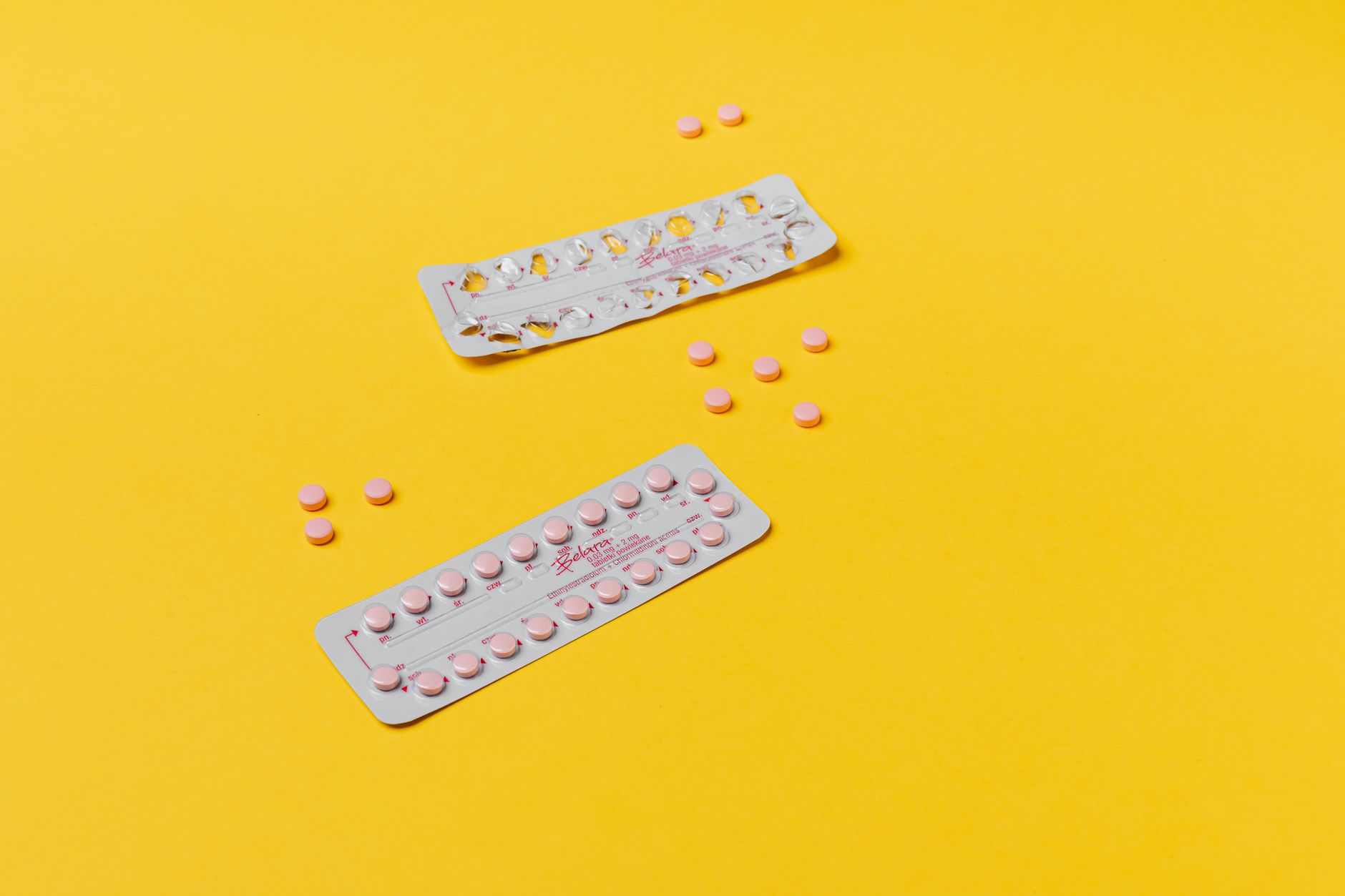
Birth control pills for acne usually mean combined pills with estrogen plus progestogen that also prevent pregnancy. They may lessen hormonal breakouts while providing contraception. The NHS describes combined pills as pills that stop ovulation and can also help heavy or painful periods, PMS and endometriosis. The NHS says people with severe or problem acne should ask a GP or pharmacist whether the pill fits them.
Medical information disclaimer: This article is for general educational purposes only and does not provide medical advice, diagnosis, or treatment. Always consult a physician or other qualified health professional about symptoms, medications, tests, or treatment decisions.
Table of Contents
- How do they help hormonal acne?
- What does the research show?
- Who should avoid the combined pill?
- What serious risks need discussion?
How do they help hormonal acne?
Cleveland Clinic guidance says pills with estrogen are best for hormonal acne. It recommends steady-dose estrogen-plus-progestin pills for people who also want pregnancy prevention, as explained in its best birth control for acne guidance.
Combined pills prevent pregnancy mainly by stopping ovulation. The NHS notes they can also ease heavy or painful periods, PMS and endometriosis.
What does the research show?
A Cochrane systematic review across 31 trials found combined oral contraceptives reduced acne lesion counts versus placebo. The finding supports use for moderate facial acne in women.
The International Journal of Women's Health summarizes this evidence in its report on adult women with facial acne. The trial support centers on moderate facial acne in women. It does not prove the same benefit for other acne types or severities.
Who should avoid the combined pill?
The combined pill is unsuitable for many people. The NHS lists several conditions that rule it out in its guide on who can take the combined pill.
Do not start the pill to treat acne if any item applies. Ask a GP or pharmacist about safer acne and contraception options.
- age 35 or older and smoking
- obesity
- prior blood clots
- stroke, heart disease, or high blood pressure
- migraine with aura
What serious risks need discussion?
Combined estrogen-progestin contraceptives carry a small but serious risk of leg or lung clots, heart attack and stroke. The NHS puts that risk at up to 1 in 1,000 users, as detailed in its combined-pill side effects guide. The U.S.
National Library of Medicine MedlinePlus warns that ethinyl estradiol plus norethindrone can cause heart attack, clots and stroke. It says these pills should generally not be used by smokers over 35 or people with clotting disorders. Bring smoking history, blood pressure, migraine pattern and family clot history to the appointment.