
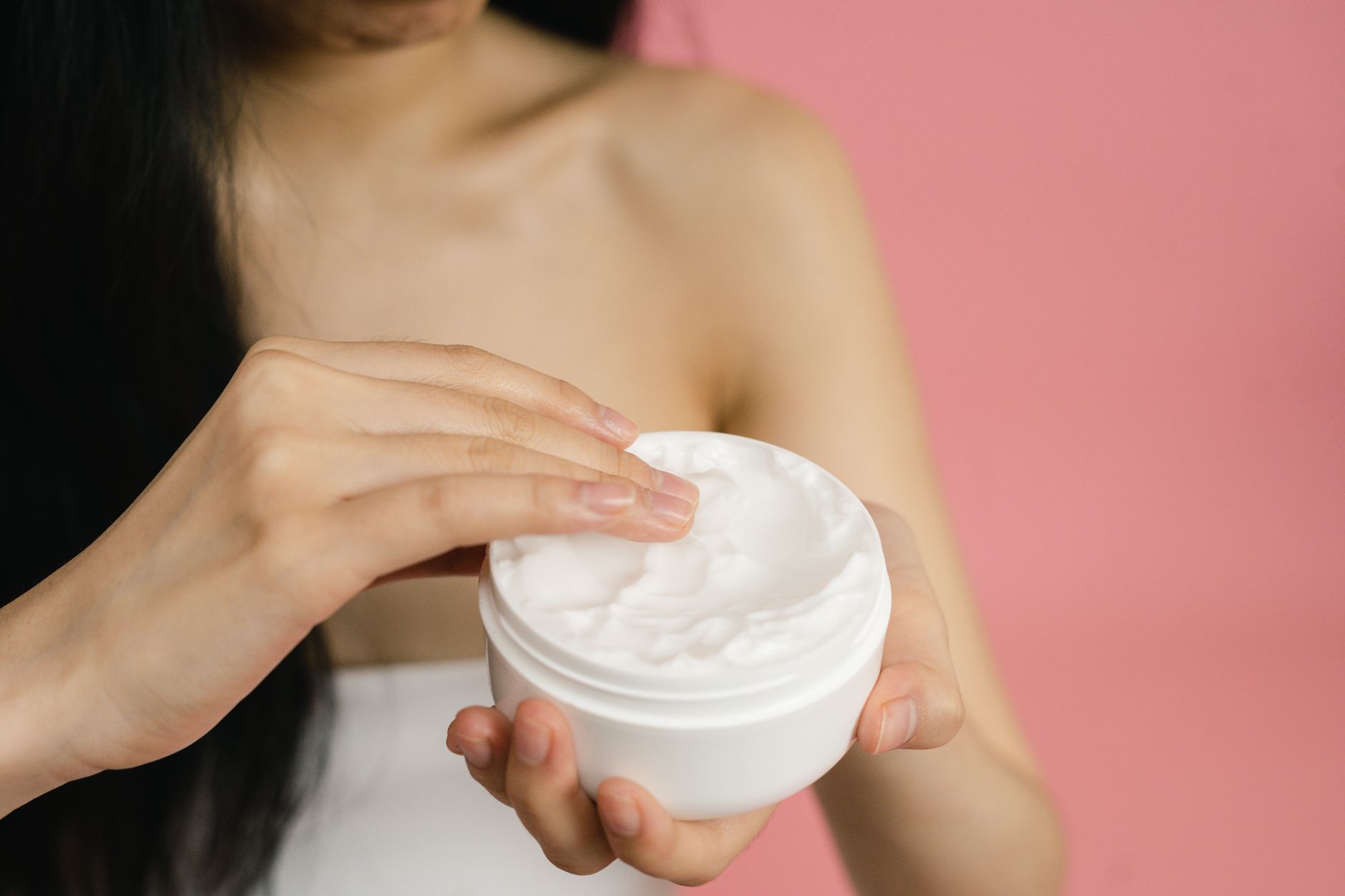
The best moisturizer for acne-prone skin is an oil-free, noncomedogenic gel or lotion used daily. Look for ceramides, niacinamide, hyaluronic acid, glycerin, and dimethicone. Noncomedogenic means unlikely to clog pores. These ingredients add light hydration, support the skin barrier, and make drying acne treatments easier to tolerate.
Medical information disclaimer: This article is for general educational purposes only and does not provide medical advice, diagnosis, or treatment. Always consult a physician or other qualified health professional about symptoms, medications, tests, or treatment decisions.
Table of Contents
- Why does acne-prone skin still need moisturizer?
- Which ingredients help most?
- How should you use it with acne treatment?
- What can labels not promise?
Why does acne-prone skin still need moisturizer?
Skipping moisturizer can backfire. Dryness from lack of moisture or from acne products can trigger extra oil production and more irritation.
The American Academy of Dermatology advises daily oil-free, noncomedogenic moisturizer for acne-prone and oily skin to limit that rebound oil and improve treatment tolerance, as described in dermatologists urge early acne treatment. Consistent moisture keeps the barrier steady while breakouts heal.
Which ingredients help most?
Ceramides and niacinamide form the core pair. Ceramides help restore the barrier and reduce dryness and redness from topical acne medications. Niacinamide calms inflammation, helps regulate sebum, supports ceramide production, and limits transfer of pigment that leaves dark marks after acne.
Lightweight hydrators add water without heaviness. A GoodRx expert review lists hyaluronic acid, glycerin, and dimethicone as preferred choices because they hydrate and replenish barrier water while staying unlikely to clog pores, detailed in GoodRx on moisturizer and acne. In a split-face trial reported in the Journal of Cosmetic Dermatology, a ceramide- and niacinamide-containing moisturizer plus anti-acne treatment improved total lesions more than hydrophilic cream after 8 weeks, according to the PubMed trial record.
How should you use it with acne treatment?
Apply moisturizer before topical medication. That order reduces peeling and redness without reducing the medication effect, which helps people stay consistent with mild-to-moderate acne care.
Keep the texture light and add sun protection in the morning. This pairing matters because benzoyl peroxide, salicylic acid, and retinoids dry skin. Steady moisture plus daily SPF helps protect the barrier and limits breakouts from overdrying.
- Use a gel or lotion, not a heavy cream
- Apply moisturizer first, then benzoyl peroxide, salicylic acid, or retinoid as directed
- Finish mornings with oil-free SPF 30 or higher
- Reapply moisturizer at night if treatment leaves skin tight or flaky
What can labels not promise?
Noncomedogenic on a label is a clue, not a guarantee. Medical News Today notes the term has no FDA legal definition, standard test, or approval requirement, explained in Medical News Today on noncomedogenic products.
Read past the front label. Choose fragrance-free and oil-free formulas and avoid known pore-clogging ingredients such as coconut oil and isopropyl myristate.