
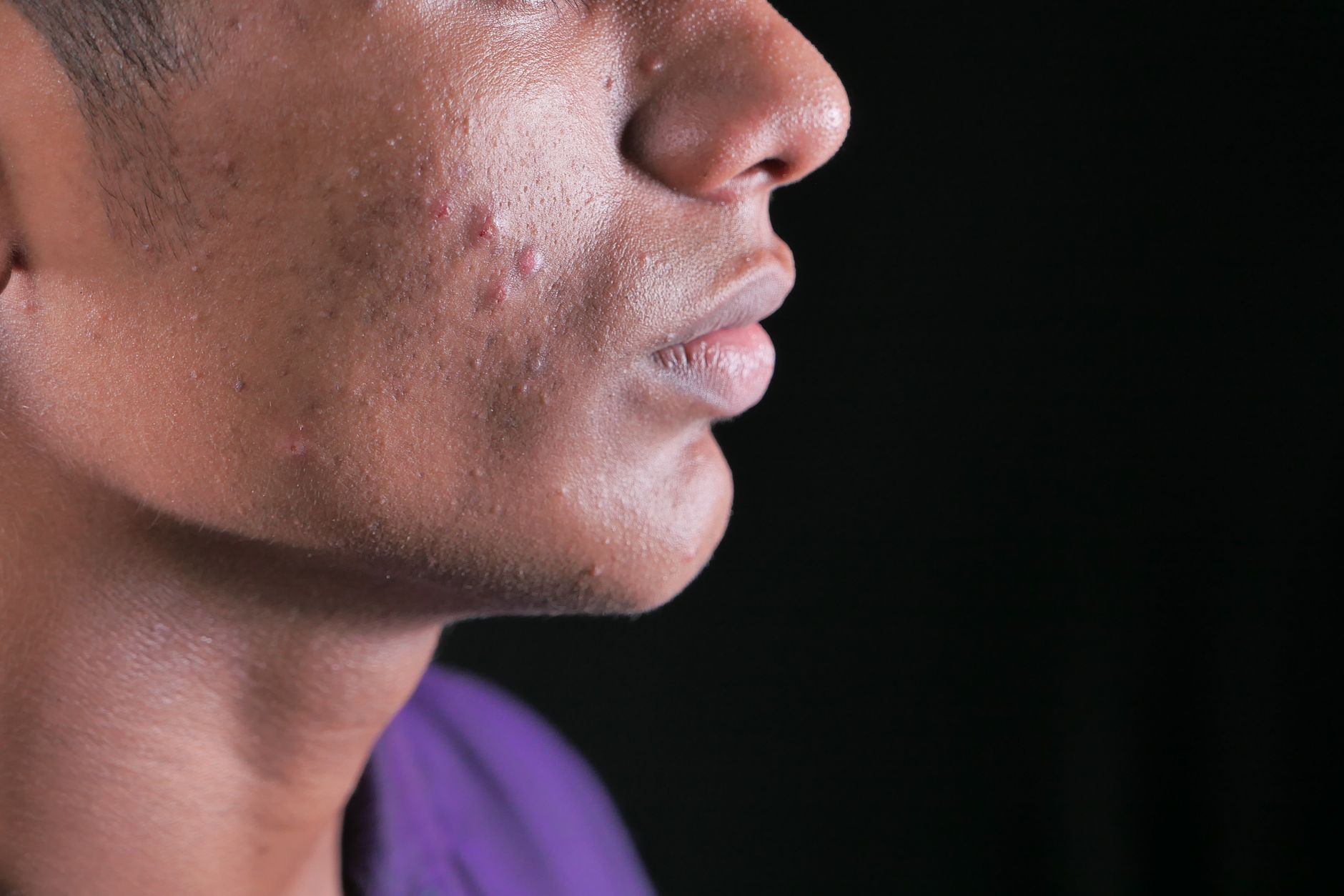
Baby acne usually means neonatal acne, small red or white bumps that appear at 2–6 weeks and clear on their own. The best choice for most newborns is watchful waiting with gentle care, not medication. Children's Healthcare of Atlanta reports in its newborn skin encyclopedia entry that about 2 in 10 newborns develop these bumps on the cheeks, chin, forehead, or nose. Health experts say hormones passed from the birthing parent during pregnancy likely contribute, but the exact cause remains uncertain.
Medical information disclaimer: This article is for general educational purposes only and does not provide medical advice, diagnosis, or treatment. Always consult a physician or other qualified health professional about symptoms, medications, tests, or treatment decisions.
Table of Contents
- What does typical neonatal acne look like?
- How should you care for the skin at home?
- Should you use acne medicine or antifungal cream?
- Could it be infantile acne instead?
- When should you call the provider?
What does typical neonatal acne look like?
Typical neonatal acne forms as small red or white bumps. It favors the cheeks, chin, forehead, and nose, and sometimes reaches the neck and upper chest. It does not leave blackheads in most newborn cases.
A related variant is neonatal cephalic pustulosis. DermNet NZ describes in its pustulosis overview face and scalp pustules, often in the third week, without comedones. Comedones are clogged pores that look like blackheads or whiteheads. This variant links to Malassezia skin colonization and usually resolves without treatment.
How should you care for the skin at home?
Keep care simple and gentle. Children's Healthcare of Atlanta advises wiping skin with lukewarm water, patting dry, and avoiding hot water. Leave affected areas free of soap and lotion unless your provider directs otherwise.
Do not scrub, scratch, pick, or rub the bumps. Avoid oily skin products on the face. These steps reduce irritation while the skin clears.
- Wipe once daily with lukewarm water
- Pat dry with a soft cloth
- Skip soap, lotion, and oily products on bumps
- Keep nails short to limit scratching
Should you use acne medicine or antifungal cream?
For typical neonatal acne, avoid acne medicine unless the provider advises it. CVS Health notes, citing dermatologists in its baby-acne care guide, that adult and teen washes and creams can further irritate delicate newborn skin. Waiting avoids that trade-off because typical bumps clear without scarring.
Ketoconazole cream is an exception only in selected cases. It may help unsightly neonatal cephalic pustulosis, but most cases still resolve untreated. Ask the clinician whether evaluation is needed before using any prescription cream.
Could it be infantile acne instead?
Timing matters. Acne first appearing after 6 weeks may be infantile acne rather than neonatal acne. Infantile acne can last months to 2 years and may need treatment to prevent scarring.
It can also signal other health problems. That possibility makes prompt clinician follow-up important. Do not assume late or persistent pimples will follow the newborn pattern.
When should you call the provider?
Call for a rash with fever. Call if acne persists beyond a few months, worsens, or spreads.
Seek evaluation if pimples look severe enough for prescription cream. Bring notes on when bumps started, where they spread, and what products touched the skin. Ask whether the pattern fits neonatal acne, neonatal cephalic pustulosis, or infantile acne, and what follow-up fits that diagnosis.