
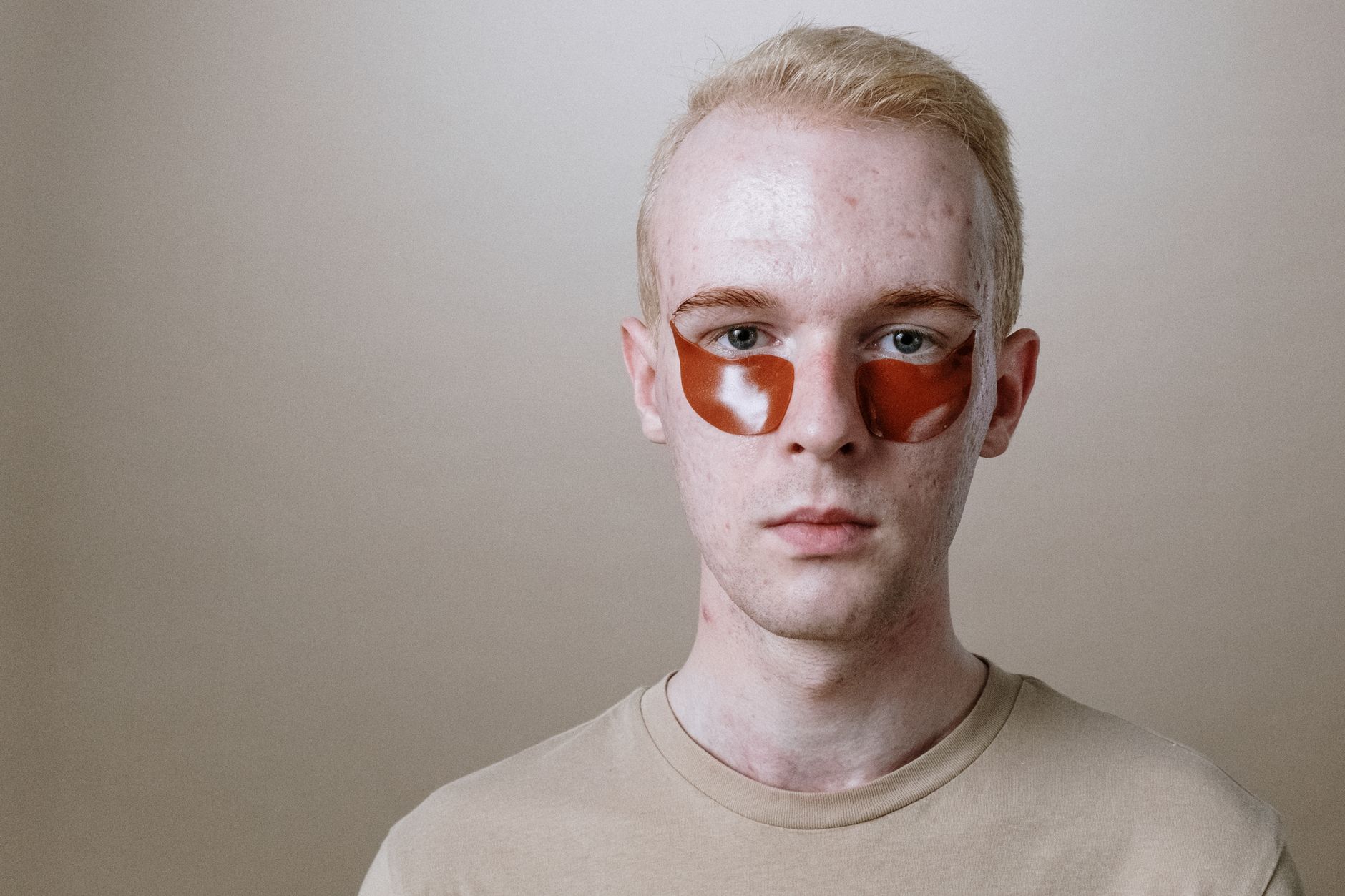
According to Aveeno labeling, its acne line centers on 0.5% salicylic acid to help prevent breakouts and control blemishes. That ingredient is a conditional option in current dermatology guidance, with rare but serious allergy risks that shape safe use. Salicylic acid is a topical acne drug that helps clear clogged pores. Aveeno pairs it with moisturizing and soy-based formulas for acne-prone skin to address tone and texture while treating breakouts.
Medical information disclaimer: This article is for general educational purposes only and does not provide medical advice, diagnosis, or treatment. Always consult a physician or other qualified health professional about symptoms, medications, tests, or treatment decisions.
Table of Contents
- What is in Aveeno's acne formulas?
- How strong is the evidence for salicylic acid?
- What are the serious warning signs?
- How can you use these products more safely?
What is in Aveeno's acne formulas?
The National Library of Medicine DailyMed label states the Clear Complexion Foaming Cleanser uses 0.5% salicylic acid, or 5 mg/mL, as its acne active ingredient. The formula also contains soy extracts and is made for acne-prone skin to help prevent breakouts and improve tone and texture, as described in the DailyMed label for the cleanser.
Aveeno states its Clear Complexion Daily Acne Facial Moisturizer also contains 0.5% salicylic acid to control and prevent blemishes while moisturizing. The company markets it for breakout-prone skin but labels it suitable for all skin types, according to the Aveeno moisturizer page.
How strong is the evidence for salicylic acid?
The American Academy of Dermatology's 2024 acne guidelines strongly recommend topical benzoyl peroxide, retinoids, antibiotics and fixed-dose combinations plus oral doxycycline. The same guidelines conditionally recommend salicylic acid, azelaic acid and clascoterone, as reported in the MDedge summary of the guidelines.
A strong recommendation means most patients should receive the treatment. A conditional recommendation means the choice depends more on severity, skin response, preference and tolerability. For a reader, that places Aveeno's 0.5% salicylic acid as a reasonable daily-care option for mild breakouts, not as a substitute for prescription care for severe or scarring acne.
What are the serious warning signs?
The FDA warns that over-the-counter benzoyl peroxide and salicylic acid products can rarely cause serious hypersensitivity. That reaction is distinct from common burning, dryness, peeling and redness, according to the FDA safety warning.
Health Canada's safety review identified 131 FDA adverse-event reports of serious hypersensitivity linked to benzoyl peroxide or salicylic acid, including anaphylaxis cases where both were used together. Get emergency help and stop the product if you notice:.
- throat tightness or trouble breathing
- swelling of face, lips or tongue
- hives, severe itch or rash
- faintness, dizziness or collapse
How can you use these products more safely?
Use one salicylic acid product at a time at first, then add the second only if your skin stays calm. Avoid combining them with benzoyl peroxide at the start, since Health Canada found severe cases involved both ingredients together. Moisturizer can reduce dryness, but it does not prevent allergy.
The FDA notes a key limit: adverse-event data cannot show whether a reaction came from benzoyl peroxide, salicylic acid, inactive ingredients or a combination. Related FDA testing in March 2025, reported by LiVDerm, found more than 90% of 95 benzoyl peroxide products had undetectable or very low benzene, while six products with higher levels were voluntarily recalled. Stop use and seek emergency care if severe allergy signs appear.