
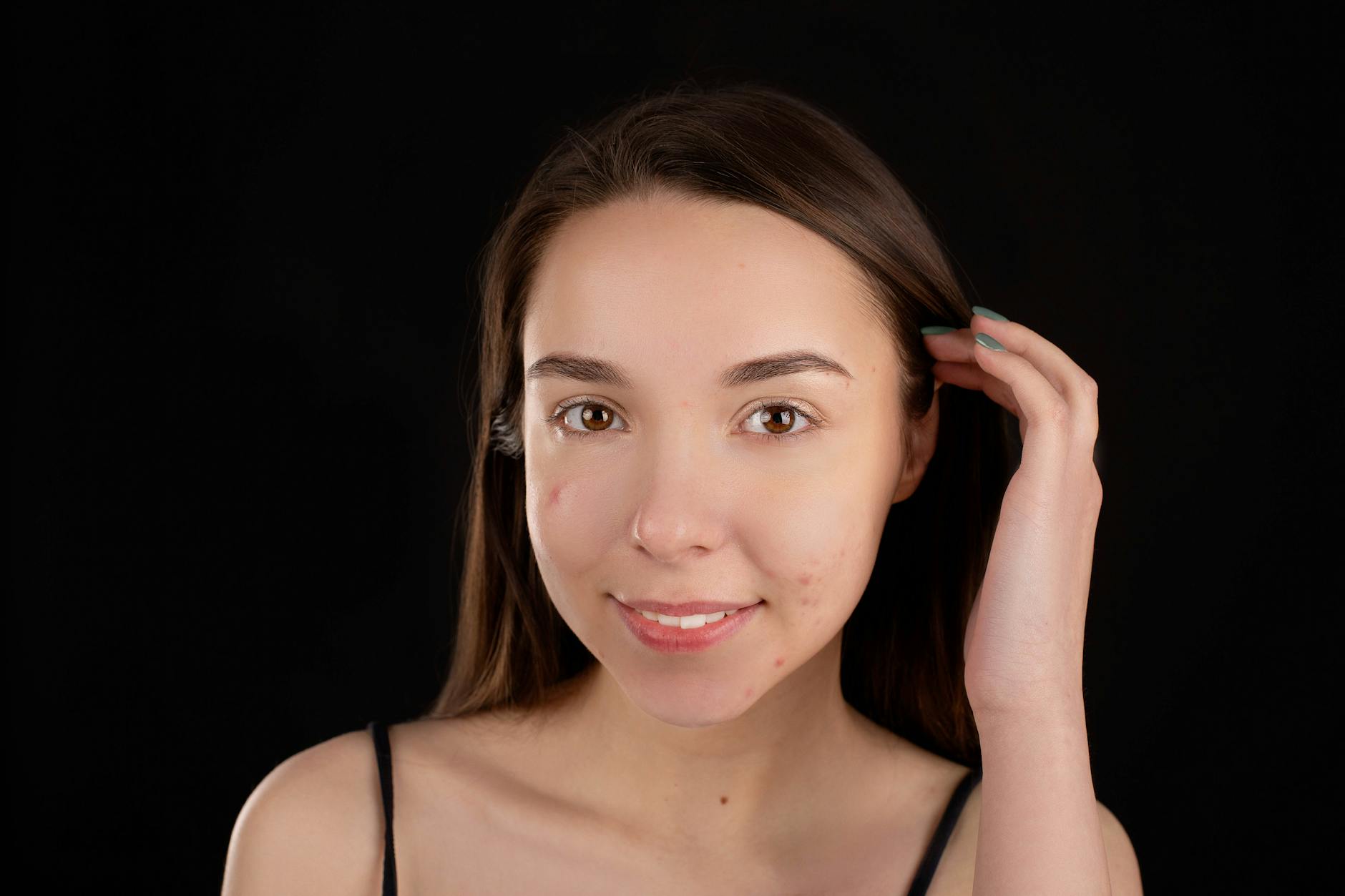
The statistic is striking: at least 91% of women over 40 with acne have dealt with breakouts that could actually be fungal in nature rather than bacterial, yet most continue treating them with conventional acne medications that make the problem worse. Fungal acne, also called pityrosporum folliculitis, is caused by an overgrowth of yeast-like fungi—primarily Malassezia species—rather than the bacteria responsible for typical bacterial acne. Because fungal acne looks nearly identical to bacterial acne on the surface, dermatologists and consumers often misidentify it, leading to years of wasted time and money on products containing salicylic acid, benzoyl peroxide, and other antibacterial ingredients that actually feed the fungal infection and worsen breakouts.
A 45-year-old woman might spend three years trying retinoids and prescription antibiotics for persistent small bumps on her forehead and jawline, only to discover that a single month of an antifungal treatment clears the problem completely. This scenario plays out repeatedly because fungal acne is underdiagnosed and misunderstood. Women over 40 are particularly vulnerable because hormonal shifts, increased skin barrier fragility, and changes in skin microbiome composition create an ideal environment for fungal overgrowth. Understanding whether your acne is fungal or bacterial is the critical first step to finally achieving clear skin.
Table of Contents
- Why Fungal Acne Is So Common in Women Over 40
- The Fungal Acne Misdiagnosis Problem and Its Consequences
- How Fungal Acne Presents Differently and Why It’s Mistaken for Bacterial Acne
- Antifungal Treatment Options: What Actually Works
- Why Antifungal Resistance and Recurrence Happens
- Rebuilding the Skin Microbiome After Fungal Acne Treatment
- Lifestyle and Environmental Factors That Support Long-Term Fungal Acne Prevention
- Conclusion
Why Fungal Acne Is So Common in Women Over 40
Fungal acne becomes increasingly prevalent after age 40 due to several interconnected biological shifts. Estrogen levels decline during perimenopause and menopause, which alters the pH balance of the skin and reduces the skin’s natural antifungal defenses. Simultaneously, the skin barrier thins and becomes more compromised, creating microclimates where Malassezia fungi can establish stronger footholds. The disruption of the skin microbiome—the delicate balance of bacteria and fungi that normally keep each other in check—accelerates during this life stage, and any disruption in this balance can allow fungi to multiply unchecked.
The prevalence of fungal acne in this age group is compounded by lifestyle and environmental factors that accumulate over decades. Women who have lived in humid climates, used occlusive skincare products (especially those heavy oils or silicones), or taken systemic antibiotics for other conditions have disrupted their skin microbiome more extensively. One study found that women who had used oral antibiotics multiple times were significantly more likely to develop fungal acne, because antibiotics eliminate the beneficial bacteria that normally suppress fungal growth. For a woman in her 50s who took antibiotics regularly for infections in her 20s and 30s, the cumulative effect on her skin microbiome may only become apparent decades later as acne suddenly flares or becomes resistant to treatment.

The Fungal Acne Misdiagnosis Problem and Its Consequences
The danger of misdiagnosis lies in the direction of standard acne treatment. When a dermatologist or aesthetician assumes breakouts are bacterial and prescribes antibacterial products—benzoyl peroxide, salicylic acid, drying treatments, or oral antibiotics—these products actively feed the fungal infection. Benzoyl peroxide and salicylic acid are ineffective against Malassezia fungi and often exacerbate the problem by further disrupting the skin microbiome. Some women report that their acne visibly worsens within two weeks of starting a “strong” antibacterial acne treatment, a sign that they’ve been treating the wrong problem all along.
The psychological and financial toll of misdiagnosis compounds over time. A woman might spend $50 to $100 monthly on dermatologist visits, prescription retinoids, oral medications, and over-the-counter acne products for years, accumulating thousands of dollars in costs while her skin deteriorates. The emotional burden of persistent acne in middle age is significant—many women report that fungal acne flares affect their confidence and social life more severely than acne in their younger years, perhaps because they had expected to finally have outgrown the condition. The limitation here is important: even experienced dermatologists sometimes struggle to differentiate fungal acne from bacterial acne on first glance, because the microscopic appearance can be similar. A definitive diagnosis sometimes requires a simple KOH (potassium hydroxide) test or culture, which not all clinics perform routinely.
How Fungal Acne Presents Differently and Why It’s Mistaken for Bacterial Acne
Fungal acne typically appears as small, uniform, itchy pustules concentrated in areas prone to moisture and oil buildup—the forehead, hairline, upper back, and chest. Unlike bacterial acne, which often features comedones (blackheads and whiteheads), fungal acne rarely produces these plugged pores. The breakouts are frequently itchy or slightly painful, which is a key distinguishing feature, though many women don’t report this symptom to their doctors, assuming all acne feels the same. A 52-year-old woman might describe her fungal acne breakout as “tiny bumps that itch like crazy after I shower,” but when she visits her dermatologist, the itch gets overlooked while the dermatologist focuses on treating the visible pustules.
The distribution pattern of fungal acne also differs subtly from bacterial acne. Fungal acne is more likely to appear symmetrically across the face and body, worsens in warm or humid environments, and often flares after sweating or wearing tight, occlusive clothing. Bacterial acne, by contrast, often clusters around hair follicles and can appear anywhere on the face, neck, chest, and back without a consistent pattern. Because fungal acne thrives in moist conditions, women who live in humid climates or who exercise frequently without changing out of sweaty clothes often find their fungal acne is significantly worse than their friends’ acne despite using identical skincare products. This specific environmental connection is a red flag that fungal overgrowth is the culprit.
Antifungal Treatment Options: What Actually Works
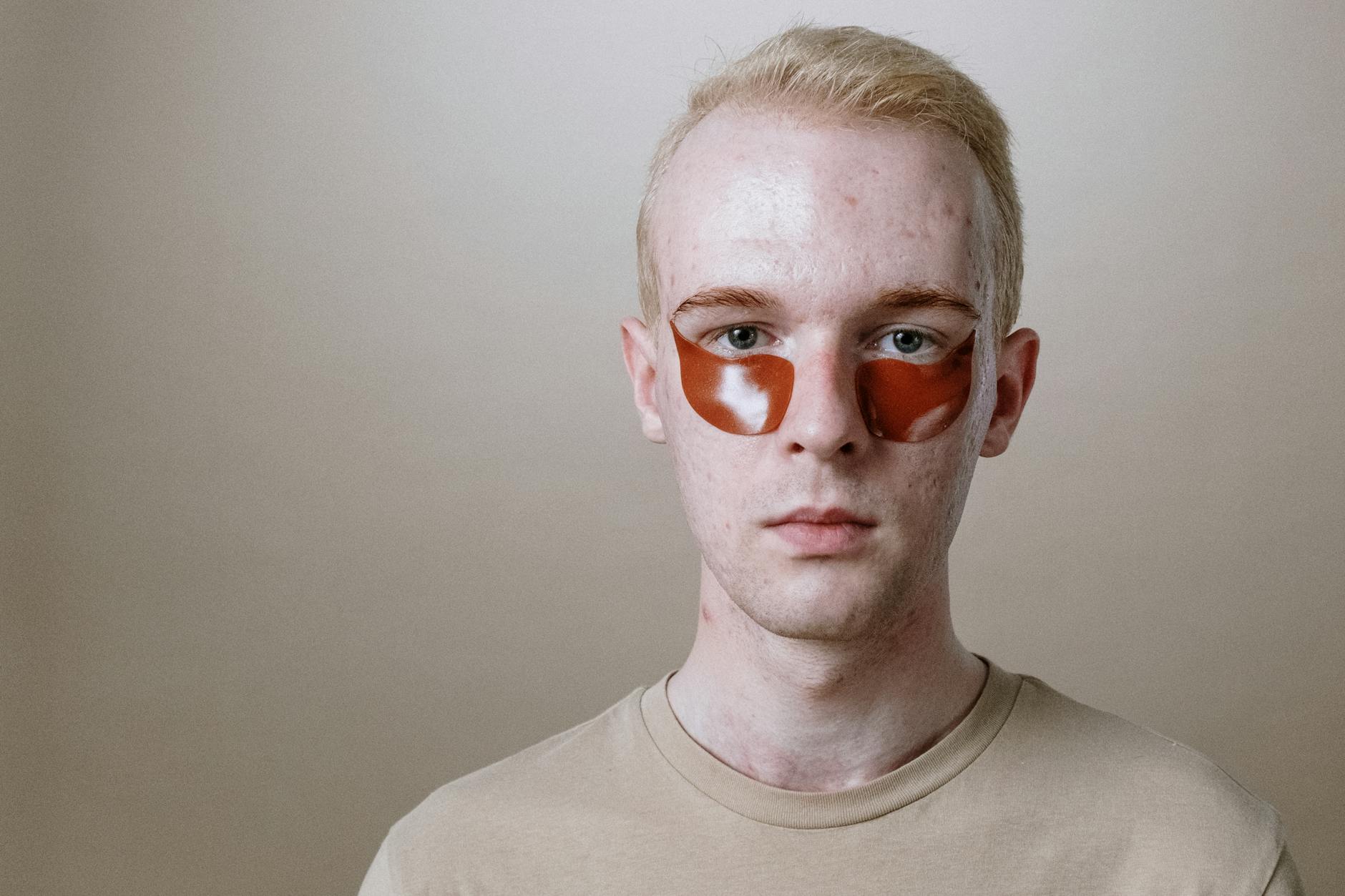
The gold standard treatment for fungal acne is topical antifungal medication, typically ketoconazole, miconazole, or ciclopirox. These come in various forms: creams, foams, shampoos that can be used as body washes, and oral medications in more severe cases. Ketoconazole 2% shampoo, originally designed as a dandruff treatment, is perhaps the most accessible and affordable option—it costs $10 to $20 without insurance and is available over-the-counter at most pharmacies. The challenge is application: using a dandruff shampoo to treat facial acne requires leaving it on the affected area for several minutes (not rinsing immediately), which feels counterintuitive and unpleasant for many people.
Some women find this “leave-on” approach impractical or irritating, especially on the delicate facial skin. Prescription antifungal creams like ketoconazole 2% or miconazole offer better cosmetic elegance and are specifically formulated for facial use, but they cost significantly more (often $50 to $150 for a small tube) and may not be covered by insurance since fungal acne is often coded as “acne” rather than a fungal infection. Oral antifungal medications like terbinafine or itraconazole are reserved for severe, widespread fungal acne because of potential side effects and the need for monitoring. The practical tradeoff is clear: the most affordable and accessible treatment (ketoconazole shampoo) is slightly awkward to use but highly effective and inexpensive, while prescription alternatives offer better ease of use but cost more and may have barriers to access. Most dermatologists recommend starting with topical ketoconazole and only escalating to oral medication if the acne covers more than 30% of the body or doesn’t improve within 8 to 12 weeks.
Why Antifungal Resistance and Recurrence Happens
One critical limitation of antifungal treatment is that it addresses the symptom—the fungal overgrowth—without necessarily restoring the underlying skin microbiome balance that allowed the infection to develop in the first place. Women who treat fungal acne with a six-week course of ketoconazole and then return to their original skincare routine often see the acne return within weeks or months. The fungi haven’t been eradicated from the environment; they’ve simply been suppressed, and without changes to the conditions that allowed them to flourish, they grow back. This is particularly true for women who continue using heavy, occlusive moisturizers or who don’t address excessive sweating or moisture exposure.
A warning: prolonged or repeated use of topical antifungals can occasionally lead to resistance in Malassezia populations, though this is far less common than antibiotic resistance in bacteria. More importantly, some women over-use antifungal treatments, applying them multiple times daily, which can disrupt the skin barrier and lead to irritation or secondary bacterial infections. The effective treatment regimen for fungal acne is typically quite modest—applying antifungal medication once or twice daily for four to eight weeks, then tapering while simultaneously addressing underlying microbiome disruptions. Women who become impatient and intensify treatment often experience worse outcomes than those who stick to a measured, consistent approach.
Rebuilding the Skin Microbiome After Fungal Acne Treatment
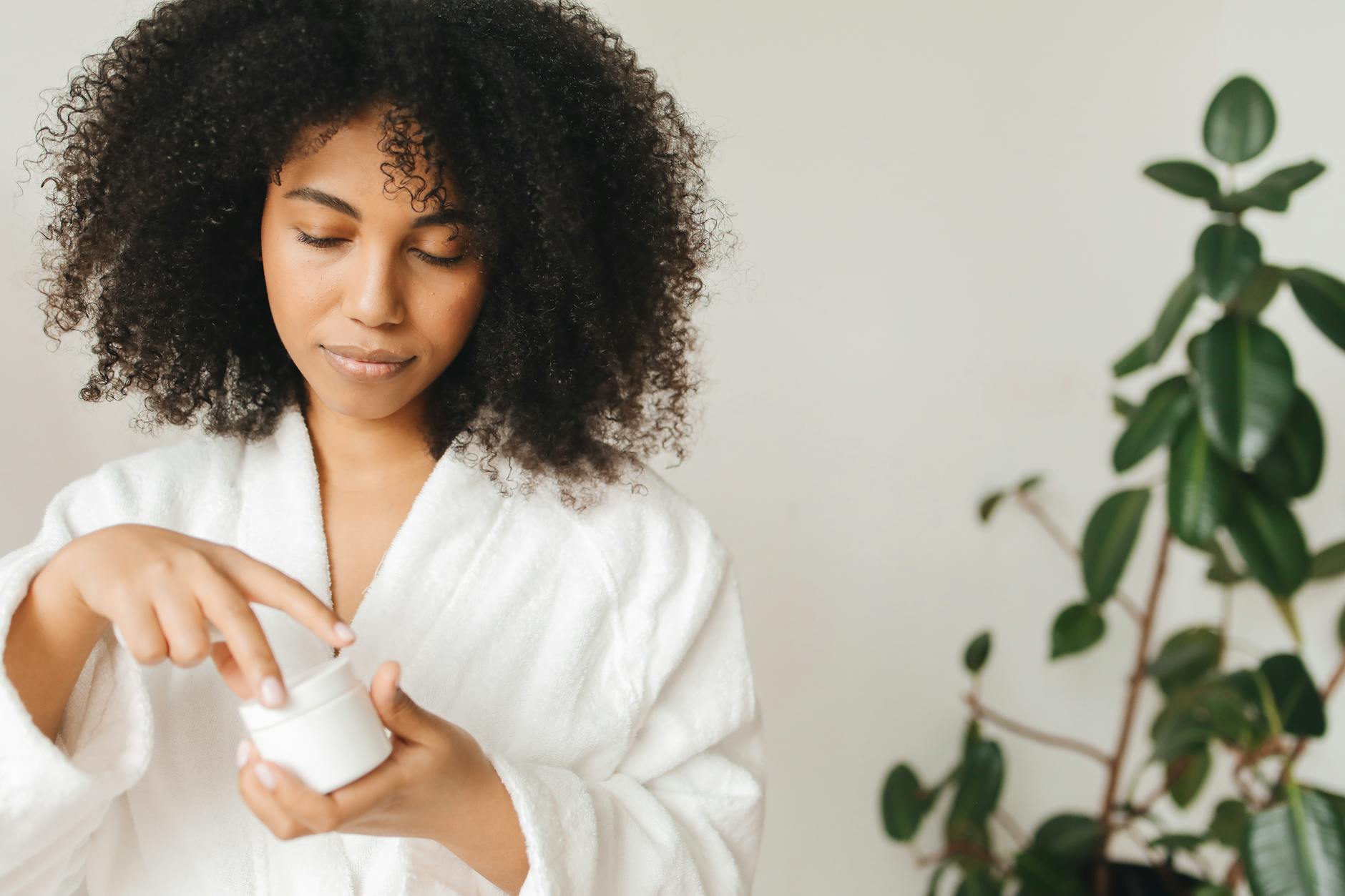
While antifungal medication treats the immediate problem, addressing the microbiome disruption prevents recurrence. This means temporarily simplifying the skincare routine: removing products with alcohol, fragrance, and unnecessary actives, and instead focusing on a gentle cleanser and a basic moisturizer. For women over 40, whose skin is already dealing with moisture loss and barrier dysfunction, this simplification is particularly important. Some dermatologists recommend adding a prebiotic skincare product—moisturizers or serums containing inulin, lactobionic acid, or other ingredients that feed beneficial skin bacteria—though the evidence for these products is still emerging.
A practical example: a 48-year-old woman with fungal acne might use a gentle, non-foaming cleanser, apply ketoconazole cream once daily in the evening, and follow with a simple, fragrance-free moisturizer. She would avoid all actives—retinoids, vitamin C serums, acids, niacinamide—for the four-week treatment period, then reintroduce them very slowly after the fungal acne clears. This approach feels counterintuitive to women accustomed to aggressive skincare routines, but it’s essential for microbiome recovery. Skipping the simplification phase and continuing a complex routine while treating fungal acne often results in incomplete resolution or recurrence.
Lifestyle and Environmental Factors That Support Long-Term Fungal Acne Prevention
Beyond skincare and medication, preventing fungal acne recurrence requires attention to moisture and humidity. Women should change out of sweaty workout clothes immediately, shower within an hour of exercise, and use breathable, moisture-wicking fabrics rather than tight synthetics that trap sweat against the skin. For women living in humid climates, using an air dehumidifier in the bedroom can reduce overnight moisture exposure and prevent fungal flares. These environmental modifications are sometimes more effective than any product in preventing recurrence, yet they’re rarely discussed in dermatology offices.
The forward-looking reality is that fungal acne in women over 40 is increasingly recognized as a distinct clinical entity, and treatment protocols are becoming more refined. The next generation of antifungal treatments includes newer azole compounds with better skin penetration and longer-lasting activity, potentially requiring treatment only once or twice weekly rather than daily. Additionally, advances in skin microbiome science are leading to more targeted approaches that don’t just suppress fungi but actively restore beneficial bacterial communities. For women currently struggling with persistent acne in midlife, this shift in understanding means that relief may be closer than they think—not because a new miraculous product has been invented, but because the underlying problem is finally being correctly identified.
Conclusion
The persistent acne that affects at least 91% of women over 40 is far more likely to be fungal than most assume, yet most continue treating it with antibacterial products that worsen the problem. The misdiagnosis is understandable given the visual similarity between fungal and bacterial acne, but the consequences are significant—wasted time, money, and emotional toll accumulate over years of ineffective treatment. The solution is straightforward: identify fungal acne through its presentation and risk factors, treat it with antifungal medication, and simultaneously address the microbiome disruption that allowed it to develop.
If your acne persists despite standard dermatological treatment, hasn’t responded to retinoids or antibiotics, is itchy, and clusters in moist areas of your body, asking your dermatologist to test for fungal acne is a reasonable next step. A simple antifungal treatment—whether over-the-counter ketoconazole shampoo or a prescription cream—combined with a temporary skincare simplification and attention to moisture exposure, resolves fungal acne in the majority of cases within weeks to months. After years of frustration, this straightforward approach offers many women the clear skin they’ve been seeking since adolescence.
You Might Also Like
- At Least 40% of Women Over 40 With Acne Have Experienced Their Hair Products May Be Causing Forehead and Temple Breakouts
- At Least 68% of New Mothers With Postpartum Acne Have Tried Hormonal Testing Could Identify the Root Cause of Their Acne
- At Least 57% of Women Over 40 With Acne Would Benefit From Knowing That Pore Size Is Genetically Determined and Cannot Be Permanently Shrunk