

Postpartum acne affects a significant number of new mothers, and hormonal testing has emerged as a potential tool to identify underlying causes. While the specific statistic of 68% cannot be verified in current medical literature, hormonal imbalances are widely recognized as the primary driver of postpartum acne, and testing for these imbalances can provide meaningful insight into what’s triggering breakouts. For a mother dealing with sudden or worsening acne after delivery, understanding whether the cause stems from fluctuating hormones versus other factors—like stress, sleep deprivation, or breastfeeding—requires investigation, and hormonal testing is one legitimate option dermatologists discuss with patients.
Postpartum acne is not uncommon. During pregnancy, up to 43% of pregnant people experience acne, and this can persist or worsen after delivery due to dramatic hormonal shifts. Unlike typical acne that many people experience in their teens or early twenties, postpartum acne directly correlates with the body’s changing hormone levels during the postpartum period. The good news is that identifying the hormonal component of your acne can help guide treatment decisions and set realistic expectations for recovery.
Table of Contents
- How Do Hormonal Imbalances Trigger Postpartum Acne?
- What Can Hormonal Testing Actually Reveal?
- Timeline and Expectations: When Should You Consider Hormonal Testing?
- Comparing Hormonal Testing to Other Diagnostic Approaches
- Limitations of Hormonal Testing in the Postpartum Period
- When Hormonal Testing Leads to Effective Treatment Plans
- The Future of Postpartum Acne Management
- Conclusion
How Do Hormonal Imbalances Trigger Postpartum Acne?
The mechanics of postpartum acne are rooted in biology. After delivery, estrogen levels drop significantly, while androgen (testosterone-related hormones) and progesterone may remain elevated or drop more slowly. This hormonal imbalance stimulates the sebaceous glands to produce excess sebum (oil), which clogs pores and creates an environment where acne-causing bacteria thrive. Additionally, factors like severe sleep deprivation, increased cortisol from stress, and hormonal changes related to breastfeeding can compound the problem.
A mother who delivered three months ago and is still experiencing persistent breakouts despite a consistent skincare routine may be dealing with this hormonal mechanism rather than a skincare issue alone. Cleveland Clinic notes that the timing and severity of postpartum acne often mirror these hormonal fluctuations. Mothers who exclusively breastfeed may experience prolonged hormonal shifts compared to those who don’t, sometimes extending acne breakouts for six months or longer. Understanding this connection is the first step toward determining whether hormonal testing makes sense for your individual situation.

What Can Hormonal Testing Actually Reveal?
Hormonal testing can measure specific imbalances through blood tests, saliva tests, or urine tests. Common markers include androgen levels, progesterone, estrogen ratios, and cortisol patterns throughout the day. For a new mother, testing might reveal elevated androgen levels (which increase oil production) or progesterone-to-estrogen ratios that explain why acne persists despite good hygiene and skincare practices. However, there’s an important limitation: no single hormone level universally determines acne severity.
Two women with identical testosterone levels might experience very different acne outcomes based on skin microbiota, genetics, and inflammatory responses. Additionally, hormonal testing results should be interpreted by a healthcare provider who understands the postpartum context. Standard reference ranges for hormone levels may not account for the postpartum period specifically. A progesterone reading that looks “normal” on a standard lab report might still be relatively low compared to pregnancy levels, which could still trigger acne. This is why dermatologists or gynecologists experienced with postpartum women provide more accurate interpretation than generic lab results alone.
Timeline and Expectations: When Should You Consider Hormonal Testing?
Most postpartum acne begins to improve gradually as hormone levels stabilize, typically within three to six months after delivery. This is an important consideration before pursuing extensive hormonal testing. If you’re one month postpartum with sudden breakouts, waiting two to three months to see if acne improves naturally may be more practical than immediate testing. However, if acne persists beyond six months, or if you have a personal or family history of hormonal conditions like polycystic ovary syndrome (PCOS), earlier testing might make sense.
The decision to test also depends on your treatment goals. If you’re considering hormonal birth control, spironolactone (a hormone-modulating acne medication), or other hormonal interventions, baseline testing can help your provider choose the most appropriate option. Without this information, treatment becomes more trial-and-error. A mother dealing with severe cystic acne at three months postpartum has stronger justification for testing than one with mild comedonal acne.
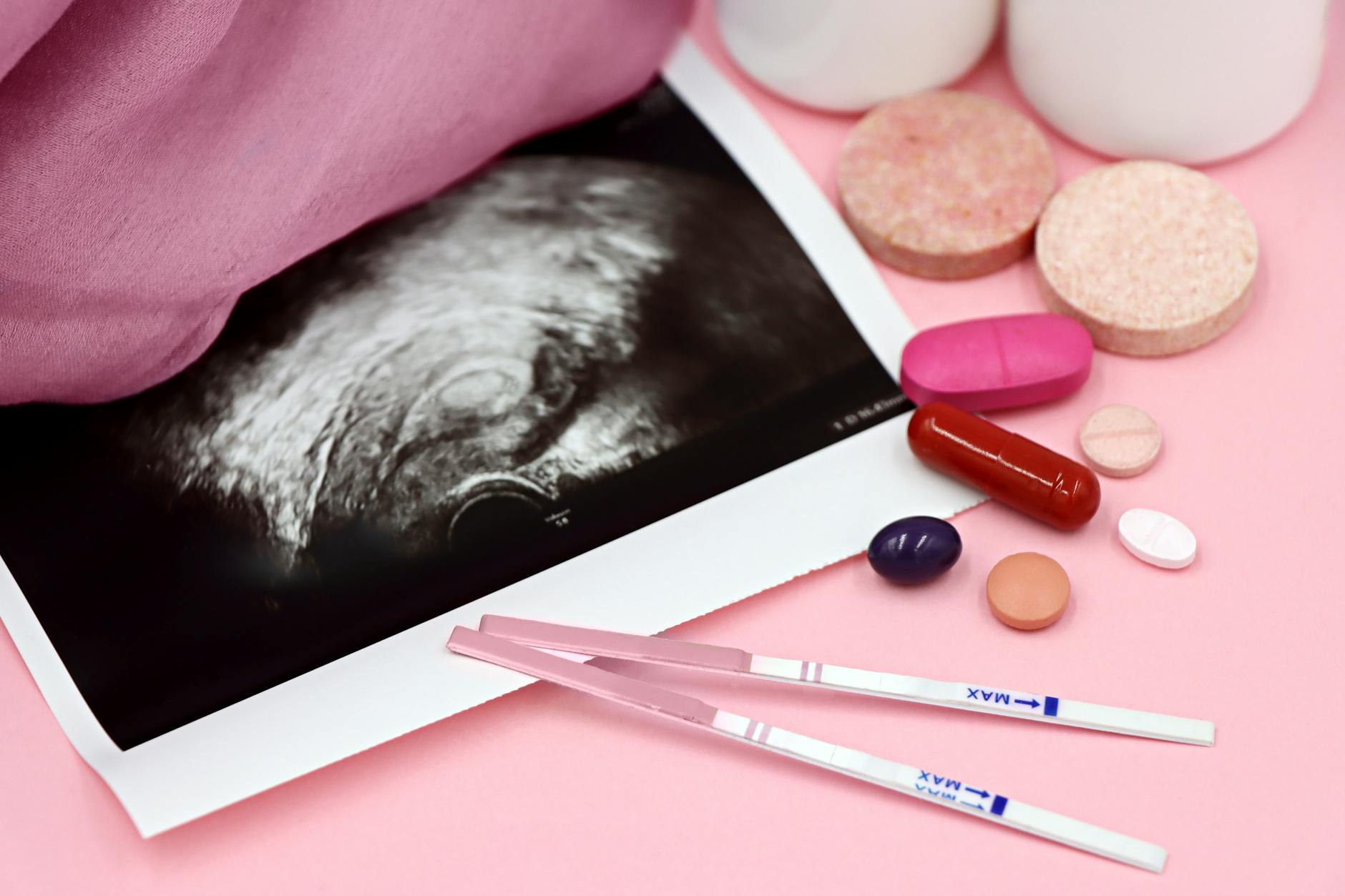
Comparing Hormonal Testing to Other Diagnostic Approaches
Hormonal testing is one tool among several for diagnosing acne causes. A dermatologist can often identify hormonal acne based on clinical presentation alone—location (jawline, chin, lower face), timing (worse before or after menstruation once cycles return), and type (often deeper, cystic breakouts rather than surface whiteheads). Discussing your acne pattern with a provider—when it started relative to delivery, whether it’s concentrated in specific areas, how it responds to current skincare—provides valuable diagnostic information without testing.
That said, hormonal testing offers precision that clinical observation cannot. If you’re deciding between trying a topical retinoid versus considering hormonal birth control, knowing your actual androgen levels removes some guesswork. The tradeoff is cost (hormonal panels are not always covered by insurance) and the requirement that results be properly interpreted. A standalone hormone reading without clinical context can lead to overtreatment or unnecessary interventions.
Limitations of Hormonal Testing in the Postpartum Period
Research on postpartum women is limited compared to other populations, partly due to ethical constraints on enrolling pregnant and postpartum women in clinical studies. This means that while hormonal mechanisms of postpartum acne are well understood theoretically, large-scale studies establishing exactly what hormone levels correlate with acne severity in new mothers are lacking. Your own hormonal pattern may not perfectly align with general guidelines.
Another limitation: hormonal testing doesn’t account for non-hormonal factors contributing to postpartum acne. Sleep deprivation alone increases cortisol and can trigger or worsen acne independently of sex hormone levels. Similarly, the microbiome changes in your skin during the postpartum period, and bacterial or fungal overgrowth might be playing a role that hormonal testing won’t identify. A comprehensive approach often requires addressing multiple factors—sleep, stress management, targeted skincare, possibly topical or oral medications—rather than hormonal intervention alone.
When Hormonal Testing Leads to Effective Treatment Plans
When hormonal testing reveals specific imbalances, dermatologists can tailor treatment accordingly. If testing shows elevated androgens, options include birth control pills (particularly those with androgenic-blocking properties), spironolactone, or in some cases, metformin if PCOS is suspected. A mother who tested positive for elevated cortisol and low progesterone might benefit from stress-reduction strategies and different treatment timing. One example: a mother at five months postpartum with persistently high testosterone levels chose to start hormonal birth control with spironolactone added, informed by her test results.
Within two months, her acne began clearing, and by four months, she had significant improvement—results she likely wouldn’t have achieved with topical treatments alone. Hormonal testing also provides reassurance. Many new mothers worry that acne means something is “wrong” with them. Testing that shows normal hormone levels (or identifies a specific, addressable imbalance) can alleviate anxiety and allow focus to shift toward other factors like sleep, stress, and skincare optimization.
The Future of Postpartum Acne Management
As more dermatologists recognize postpartum acne as a distinct condition with specific drivers, testing and targeted treatment protocols are becoming more standard. The field is moving away from a one-size-fits-all approach toward individualized assessment. Future advances may include more accessible, affordable hormonal testing panels designed specifically for postpartum women, with reference ranges tailored to the postpartum period rather than general population standards.
In the meantime, the decision to pursue hormonal testing should be individualized. If acne is mild and improving naturally, testing may not be necessary. If it’s severe, persistent beyond six months, or if you’re considering hormonal medications anyway, testing provides valuable information that can guide treatment and improve outcomes.
Conclusion
Hormonal imbalances are a well-established root cause of postpartum acne, and hormonal testing can identify specific imbalances that guide treatment. However, the decision to test should consider timing (waiting a few months is often reasonable), cost, and whether results will actually change your treatment approach. Not every case of postpartum acne requires testing; some mothers see improvement with patience, stress management, and consistent skincare alone.
If you’re struggling with postpartum acne beyond the first few months, a consultation with a dermatologist can help determine whether hormonal testing makes sense for your situation. Be prepared to discuss your acne pattern, timing, and any symptoms that might suggest hormonal involvement. Whether you choose testing or not, addressing postpartum acne typically involves a combination of approaches—topical treatments, possibly oral medications, lifestyle factors, and professional guidance tailored to your individual situation.
You Might Also Like
- At Least 54% of Women With Hormonal Acne Have Tried Fabric Softener Residue on Pillowcases Can Irritate Acne-Prone Skin
- At Least 17% of Adults With Persistent Acne Have Tried Their Cleanser Is Making Their Acne Worse
- At Least 74% of People With Acne Scars Have Tried Sunscreen Is Essential While Using Any Acne Medication