
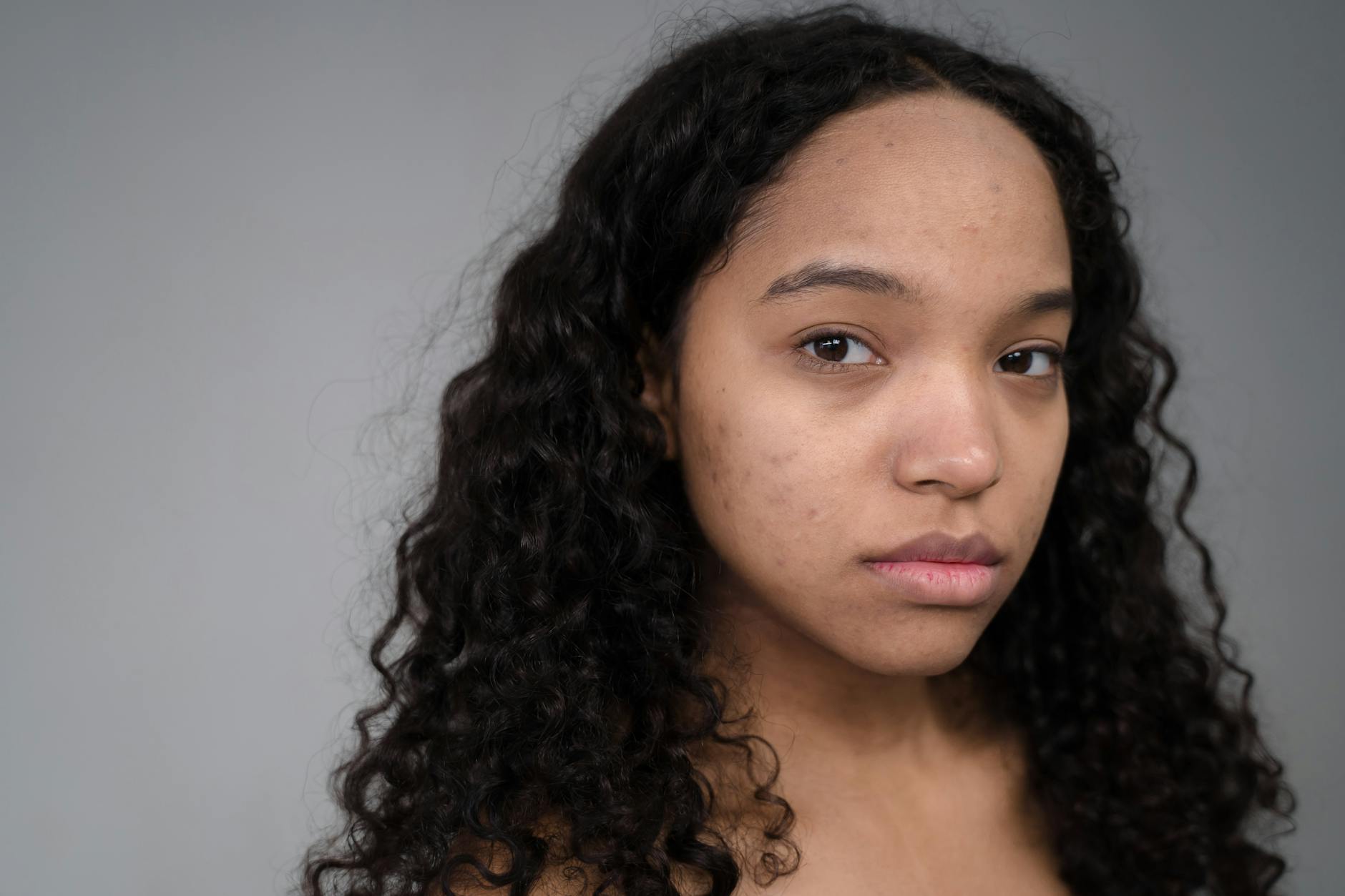
If you’ve spent years trying to shrink your pores, it’s time to hear something that might feel liberating or disappointing, depending on your perspective: pore size is genetically determined, and no treatment—topical, professional, or otherwise—can permanently reduce the size of your pores. This isn’t a marketing claim or a limitation of current skincare; it’s simply how human skin biology works. For women over 40 dealing with acne, this reality is particularly important to understand because it can shift how you spend your money, time, and emotional energy on skincare solutions.
Many women in this age group have been chasing the impossible for decades, purchasing expensive treatments and procedures based on the promise of smaller pores, when the real opportunity lies elsewhere: managing the appearance of pores and addressing the actual factors driving acne. Consider a concrete example: a 42-year-old woman with hormonal acne might spend $300 on a “pore-minimizing” serum, seeing modest improvement in pore appearance for a few weeks, then frustration when results plateau. That same money invested in understanding her genetic skin type and addressing her actual acne triggers—whether that’s hormonal fluctuation, bacterial colonization, or excess sebum production—would likely yield more meaningful, lasting results. The distinction matters because it’s the difference between chasing an impossible goal and working with your biology instead of against it.
Table of Contents
- Why Is Pore Size Genetically Determined and What Does That Actually Mean?
- The Genetic Basis of Adult Acne in Women Over 40
- How Excess Sebum Production and Pore Congestion Drive Acne at 40-Plus
- What Actually Works: Managing Pore Appearance Without Trying to Shrink Them
- The Reality of Professional Treatments and Why They Don’t Permanently Shrink Pores
- Age-Specific Acne Trends in Women Over 40 and What They Reveal
- Reframing the Conversation: From Fighting Your Genetics to Working With Them
- Conclusion
Why Is Pore Size Genetically Determined and What Does That Actually Mean?
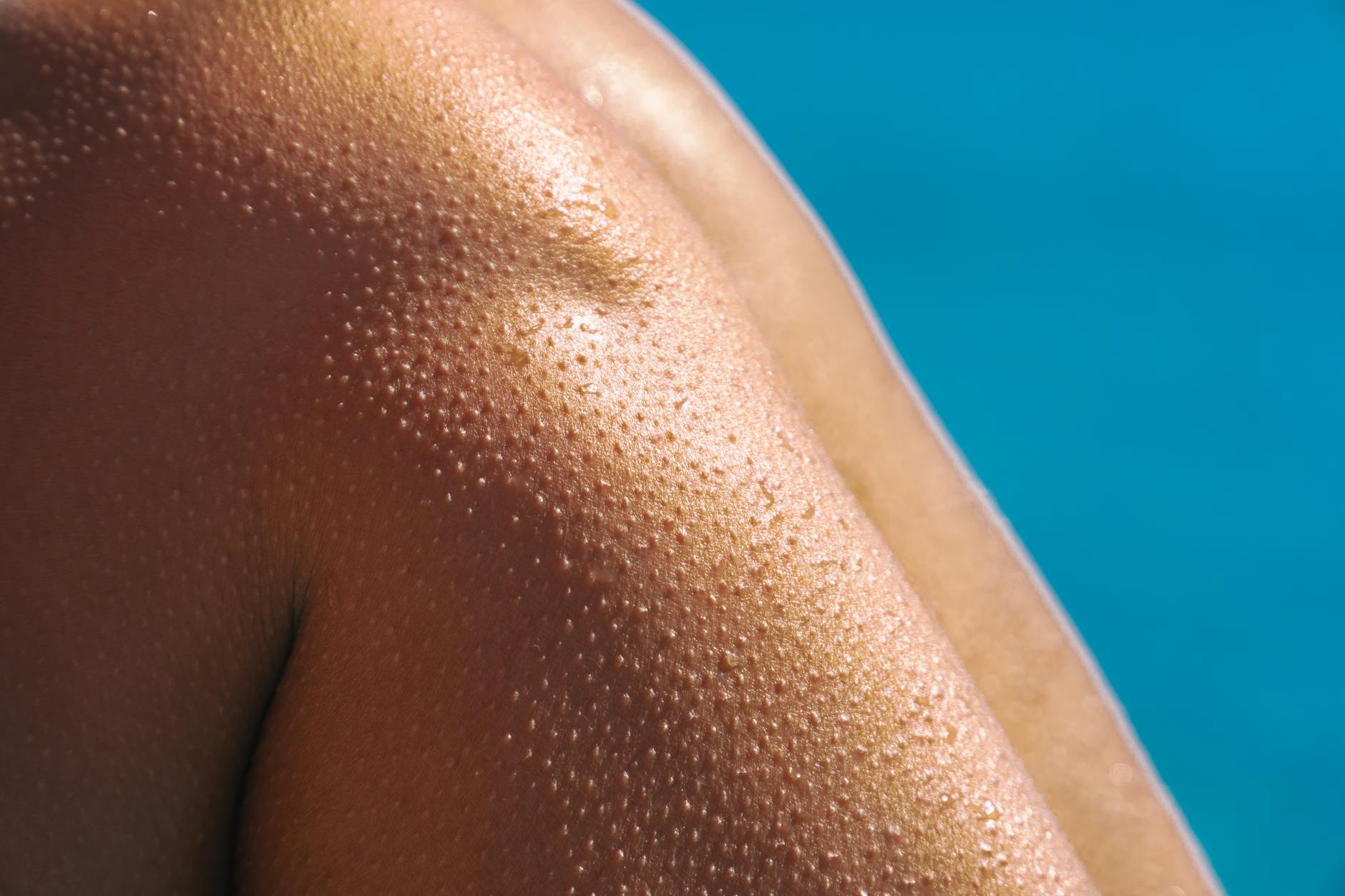
pore size is a polygenic trait, meaning it’s controlled by hundreds of interacting genes rather than a single gene. This is the same genetic inheritance pattern that determines your height, eye color, and bone structure. Research shows that 60 to 80 percent of facial characteristics are explained by genetics, and pore size falls squarely into that category. You inherited your pore size from your parents in roughly the same way you inherited your face shape or skin undertone—it’s built into your cellular structure. The pores on your face serve a critical biological function: they’re the openings of hair follicles and sebaceous glands. Their size is determined by the diameter of these underlying structures, which is established during your development and remains essentially fixed throughout your life.
This is why you’ve probably noticed that your pore size has remained relatively consistent since your teens, even as everything else about your skin has changed. A woman who had large pores at 25 will have large pores at 45; the only variables are inflammation, congestion, and surface-level appearance, not the actual structural size of the pore opening itself. Understanding this distinction is crucial because it explains why so many topical products claim to “shrink” pores but only deliver temporary effects. A serum might reduce inflammation around a pore, making it appear smaller for a few hours or days. Your skin might become more hydrated and plump, which can optically minimize pore appearance. But the pore itself—the actual opening in your skin—hasn’t been permanently altered. This is not a failure of the product or your skincare routine; it’s a reflection of what’s physically possible.
The Genetic Basis of Adult Acne in Women Over 40
If pore size is written into your genes, so is your baseline acne susceptibility. Recent genetic research identified 29 new genetic variants that influence acne development, building on decades of evidence that some people’s skin is simply more prone to breakouts regardless of their skincare routine or lifestyle habits. These genetic factors influence how much sebum (skin oil) your glands produce, how sensitive your skin is to bacterial colonization, and how quickly your skin cells turn over—all primary drivers of acne. For women over 40, this genetic reality intersects with hormonal changes in a way that doesn’t affect most men. Adult acne is significantly more prevalent in women than in men, particularly post-30, and it often emerges or persists because of hormonal cycling.
A woman’s genetics determine both her baseline sebum production and her skin’s responsiveness to hormonal fluctuations. This means two women with identical skincare routines and lifestyle habits might have completely different acne experiences based purely on their genetic makeup. The woman with genetically sensitive, oil-prone skin will likely struggle more, not because she’s doing anything wrong, but because her biology is working against her in a way the other woman’s isn’t. Here’s the limitation that matters: knowing your acne is partly genetic doesn’t mean you’re powerless. It means you should stop blaming yourself for breakouts and start directing your efforts toward what you can actually control—treating the acne you have and managing the factors that make it worse. Genetics loads the gun, but environment and hormone levels pull the trigger.
How Excess Sebum Production and Pore Congestion Drive Acne at 40-Plus
Large pores and acne often appear together in the same skin types, but not because the pores are “too big.” Rather, they appear together because the same genetic factors that determine pore size also influence sebaceous gland activity and skin sensitivity. Genetically oily skin produces more sebum, and that excess oil is more likely to mix with dead skin cells and bacteria inside larger pore openings, creating visible congestion and breakouts. Think about the practical reality: a woman with small pores and dry skin might use the same acne-causing product (heavy moisturizer, occlusive sunscreen) without developing visible congestion, because her small pores don’t trap as much product. The same woman with genetically larger pores and oily skin could use the identical product and develop immediate breakouts in those large pores.
Neither outcome is her fault; both are downstream effects of her genetic pore size and sebaceous gland activity. The warning here is important: if you have genetically large pores and oily skin, your skincare approach needs to account for this. Overly occlusive or heavy products will worsen congestion. You’re not failing at skincare; you’re simply working with a different skin biology that requires a different approach. This is why “pore size” is really a proxy for “what kind of acne and congestion is this person genetically prone to?” Once you understand that, you can stop trying to change your pore size and start managing the congestion that appears in those pores.
What Actually Works: Managing Pore Appearance Without Trying to Shrink Them
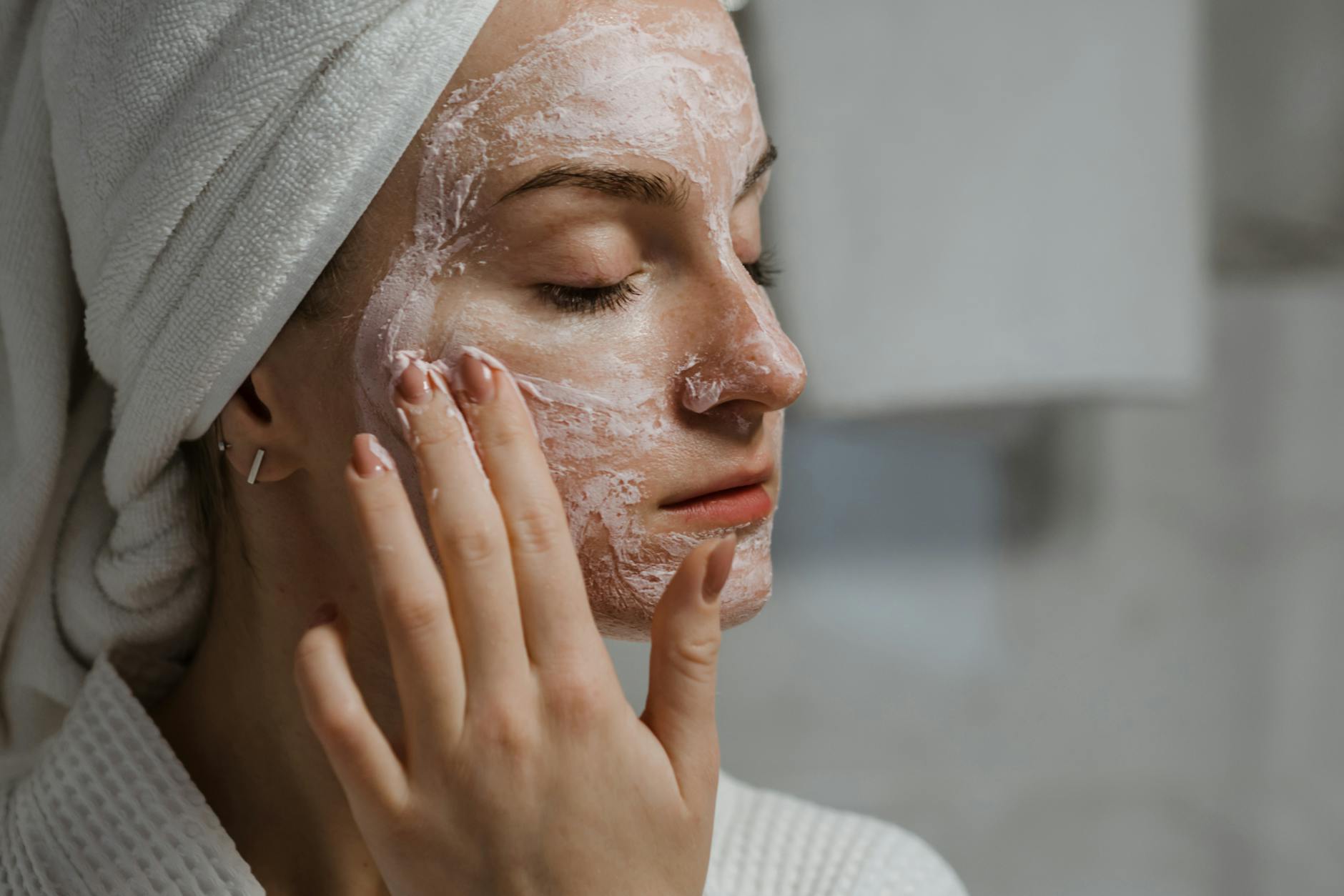
If you can’t permanently shrink pores, what can actually improve the way your skin looks? The answer involves both topical ingredients and realistic expectations about what “improvement” means. Research shows that 2 to 5 percent niacinamide can reduce pore appearance over 8 to 12 weeks by decreasing sebum production and inflammation, making pores less visible without changing their actual size. Retinoids are another evidence-backed option: they help unclog pores and increase skin cell turnover, which can make pores appear smaller and less congested, even though their structural size remains unchanged. The comparison that matters: a pore-minimizing cream that promises permanent results is not superior to a pragmatic routine that uses niacinamide or retinoids to manage pore appearance temporarily. Both will improve how your skin looks.
The difference is that one is making an impossible claim, while the other is honest about what’s achievable. Consistent use of these ingredients can maintain improved pore appearance, but the moment you stop using them, your skin will gradually return to baseline—and that’s completely normal. For women over 40, it’s also worth noting that skin texture and collagen loss can make pores appear more prominent over time, independent of pore size itself. A loss of dermal support makes pores look bigger, even if they’re structurally the same size. This is a separate issue from genetic pore size, and it can be addressed with retinoids, peptides, and other collagen-supporting ingredients. So if your pores seem to be getting worse with age, it might not be because they’re actually enlarging—it’s more likely that your skin’s support structure is changing, which is something you can work with.
The Reality of Professional Treatments and Why They Don’t Permanently Shrink Pores
Women over 40 have often heard about professional treatments like laser resurfacing, chemical peels, or microneedling promised to “shrink” pores. These treatments can absolutely improve skin texture and pore appearance in the short term. Laser treatments can stimulate collagen production, which provides better support around pores and makes them less visible. Peels remove congestion and surface debris. Microneedling can trigger remodeling of the skin structure. But here’s the crucial limitation: none of these treatments actually change pore size. They improve the surrounding skin quality and reduce inflammation and congestion, which makes pores look better.
Results typically last 6 to 12 months, after which the underlying aging process and genetics reassert themselves. A woman who spent $2,000 on laser treatment for “pore reduction” might see her results fade within a year and face the choice of either repeating the treatment or accepting that this approach isn’t delivering permanent change. Compare that to a woman who invested in a solid retinoid routine and realistic expectations: she sees gradual, sustained improvement in pore appearance without ongoing expense, because she’s not fighting her genetics. The warning: be cautious of any professional treatment marketed with the word “permanent” when it comes to pore size. The pore itself hasn’t changed. You’ve improved the skin around it, which is valuable, but temporary. Make sure the cost and time commitment align with how long you’re actually willing to maintain the results.
Age-Specific Acne Trends in Women Over 40 and What They Reveal
The epidemiology of adult acne in women shows something important: while acne is extremely common in younger women (50.9 percent of women in their 20s), it does gradually decline with age. By age 50 and beyond, about 15.3 percent of women still experience acne, which means it’s less common but still significant for a substantial portion of the population. This decline suggests that for many women, hormonal stabilization post-perimenopause brings some relief, but genetics continue to matter.
The example here is practical: if you’re a 42-year-old woman with persistent acne, you’re not an outlier, and your skin is not broken. You’re experiencing a genetically common trait that happens to persist into midlife, possibly complicated by hormonal factors. This context matters because it shifts the conversation from “what’s wrong with my skin?” to “how do I manage the skin I have?” Women over 40 often carry shame about acne that should have “gone away by now,” when in reality, genetic acne can persist indefinitely. Once you understand that this is partly written into your biology, you can stop waiting for it to spontaneously resolve and start managing it proactively.
Reframing the Conversation: From Fighting Your Genetics to Working With Them
The biggest shift many women over 40 need to make is psychological rather than dermatological. After decades of messaging that pores can and should be “minimized,” and after spending significant money on products and procedures that promise permanent change, it’s disorienting to learn that pore size is simply not changeable. But this reframing is actually liberating. If you accept that your pore size is genetic and permanent, you can stop wasting money on products marketed around pore shrinking and start investing in what actually matters: managing acne breakouts, improving overall skin quality, and addressing the factors you can control.
Your genetics determine your starting point, but hormones, skincare consistency, diet, stress, and sleep determine your outcomes. You have leverage over four of those five factors. That’s not nothing—that’s actually everything that matters. The women over 40 who report the best skin outcomes aren’t those who’ve found the perfect pore-shrinking serum. They’re the ones who stopped chasing impossible goals and started managing their actual skin with realistic expectations.
Conclusion
Pore size is genetically determined and cannot be permanently shrunk—this is not a limitation of current skincare science, but a fundamental fact of skin biology. For women over 40 dealing with acne, accepting this reality is the first step toward an actually effective skincare strategy. Rather than continuing to chase permanent pore reduction, your energy is better spent on managing pore appearance through proven ingredients like niacinamide and retinoids, addressing the acne that appears in those pores, and understanding that your genetics load the gun but your choices pull the trigger.
The good news is that acne and pore appearance can be managed effectively once you stop fighting what’s unchangeable and start focusing on what’s within your control. Your skin over 40 can look significantly better than it does now—but the path forward involves working with your genetic reality, not against it. Start with a retinoid if you’re not already using one, add niacinamide if pore appearance is a concern, address any active acne with evidence-backed treatments, and give yourself permission to stop searching for the impossible pore-shrinking miracle cure.
You Might Also Like
- At Least 43% of Teenagers With Acne Have Tried Pore Size Is Genetically Determined and Cannot Be Permanently Shrunk
- At Least 57% of Night Shift Workers With Acne Would Benefit From Knowing That Their Diet May Be Contributing to 20-30% of Their Breakouts
- At Least 84% of Athletes With Acne Would Benefit From Knowing That Oral Antibiotics Should Never Be Used for More Than 3 Months