
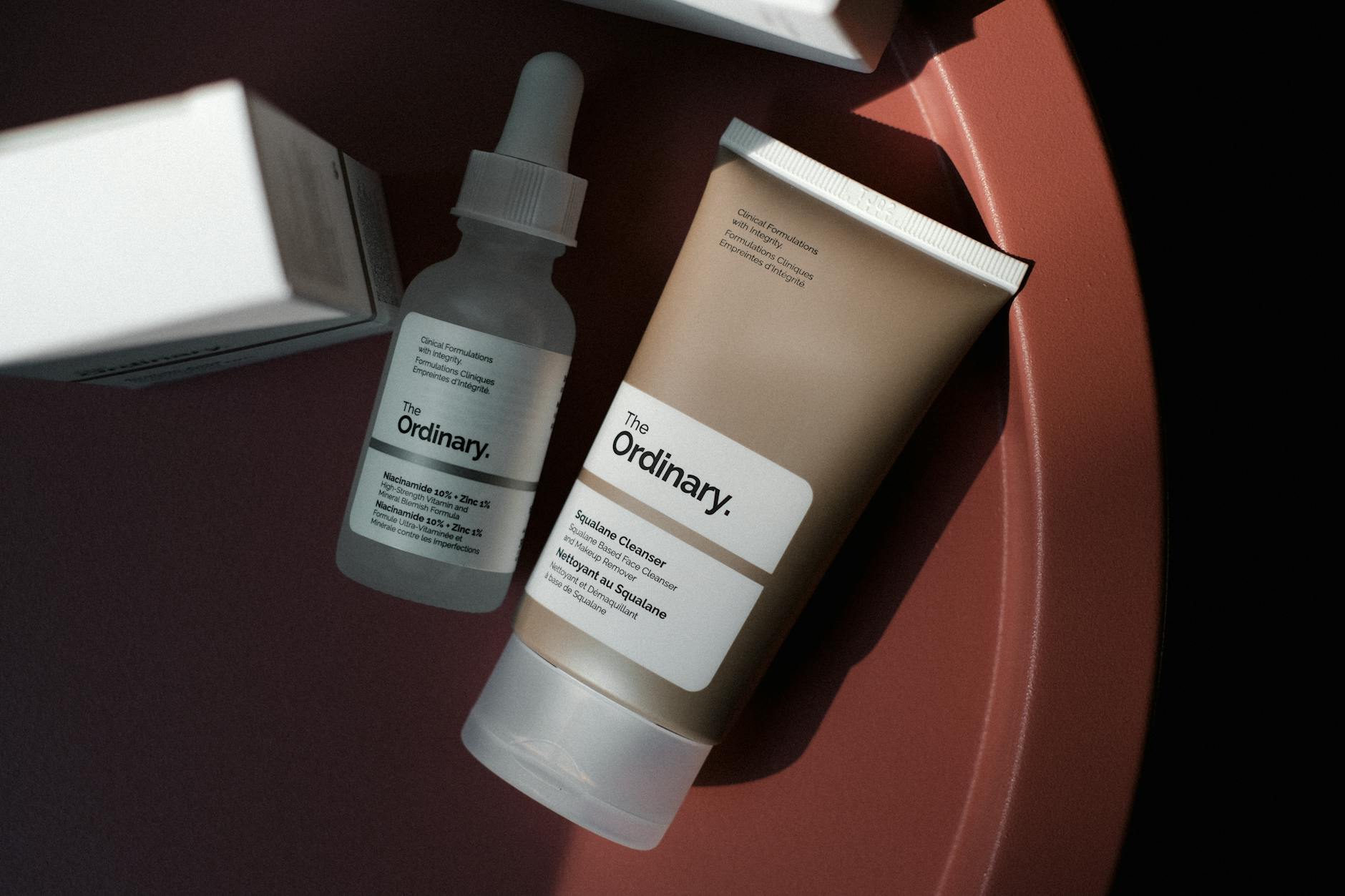
Many people who experience inflammation, redness, and bumps around their mouth assume they’re dealing with typical acne and reach for standard acne treatments. What they don’t realize is that their skin condition might actually be perioral dermatitis—a distinct inflammatory skin condition that requires a completely different approach to treatment. While exact awareness statistics vary, dermatologists consistently report that patients often misdiagnose or confuse perioral dermatitis with acne vulgaris, leading to prolonged suffering and ineffective treatment strategies that can sometimes even worsen the condition.
The confusion is understandable. Both conditions involve inflammation and bumps around sensitive facial areas, and both can be frustrating to manage. However, perioral dermatitis has distinct characteristics that dermatologists use to differentiate it from acne. This distinction matters enormously because treating perioral dermatitis as if it were acne can backfire significantly—especially when topical steroids are involved, which is a common trigger for the condition in the first place.
Table of Contents
- How Many Skincare Consumers Actually Understand the Difference Between Perioral Dermatitis and Acne?
- What Causes Perioral Dermatitis and Why Acne Treatments Often Fail
- The Role of Topical Steroids in Creating Confusion
- Identifying Perioral Dermatitis: What to Look For and When to See a Dermatologist
- Treatment Approaches and Why Standard Acne Products Don’t Work
- The Growing Market for Perioral Dermatitis Awareness and Treatment
- Moving Forward: What the Future Holds for Perioral Dermatitis Recognition and Treatment
- Conclusion
How Many Skincare Consumers Actually Understand the Difference Between Perioral Dermatitis and Acne?
The reality is that most people experiencing mouth-area skin inflammation don’t know perioral dermatitis exists as a separate condition. They see bumps, redness, and irritation, and they assume it’s acne. This assumption leads them to use standard acne treatments containing ingredients like benzoyl peroxide or salicylic acid—which may feel helpful initially but often fail to address the root cause. Some consumers, desperate for relief, might even ask their doctor for topical steroids, not realizing that steroids can actually trigger or worsen perioral dermatitis. The lack of awareness is partly due to how rarely perioral dermatitis is discussed in mainstream skincare conversations.
Major skincare brands focus almost exclusively on acne messaging, and most over-the-counter products are marketed toward acne sufferers. Perioral dermatitis, by comparison, is relatively niche—affecting an estimated 0.5-1% of people annually in developed countries, though the actual numbers may be higher due to misdiagnosis. However, the demographic that does get affected is significant: up to 90% of perioral dermatitis cases occur in women ages 16-45, with the highest concentration in women ages 25-45. The distinction that matters most is this: perioral dermatitis lacks comedones (the blackheads and whiteheads characteristic of acne vulgaris). If you’re getting small papules and pustules without any blackheads or whiteheads, perioral dermatitis becomes more likely. This single difference should prompt a different treatment approach entirely.
What Causes Perioral Dermatitis and Why Acne Treatments Often Fail
Understanding what triggers perioral dermatitis is essential because the causes are often different from acne triggers. The most significant trigger is the prolonged use of topical corticosteroids on the face—which creates a cruel irony: someone with mild facial irritation uses a steroid cream for relief, and the steroid itself becomes the problem. This is why dermatologists are cautious about recommending even low-potency steroids for facial use. Beyond steroids, other surprising triggers include fluorinated toothpaste, chewing gum, cosmetics, sunscreens, and even certain emollients. Some women notice perioral dermatitis flares when using heavily fragranced products or switching to new skincare lines. This trigger profile is completely different from acne, which is driven by excess oil production, bacterial colonization, and follicular plugging.
For acne, you want exfoliating acids and oil-reducing products. For perioral dermatitis, you need to identify and eliminate the specific trigger—usually by stopping topical steroids and potentially switching to gentler skincare. The limitation many consumers face is that identifying the exact trigger can take weeks or months of trial and error. Unlike acne, which has well-established treatment protocols, perioral dermatitis management is more detective work. You might eliminate toothpaste and see no improvement, then switch to fragrance-free moisturizer and finally notice improvement. Jumping between treatments during this process only makes things worse.
The Role of Topical Steroids in Creating Confusion
Topical corticosteroids represent the most critical trigger for perioral dermatitis, and they also represent where misunderstanding causes the most harm. A dermatologist or doctor might prescribe a low-potency steroid for a patient with what they think is contact dermatitis or general facial irritation. The steroid provides immediate relief because it’s an anti-inflammatory. The patient feels better and continues using it. But after weeks or months of regular steroid use, perioral dermatitis develops.
The skin around the mouth becomes persistently red, itchy, and bumpy. The patient returns to their doctor, who—not recognizing the steroid dependency—might increase the steroid strength, creating a vicious cycle. This is known as topical steroid dependence or “red skin syndrome.” Breaking this cycle requires stopping the steroid entirely and enduring a temporary flare before the condition improves. The warning here is critical: if you’re using any topical steroid on your face regularly, you’re potentially setting yourself up for perioral dermatitis. women who use steroid creams for longer than two weeks continuously face elevated risk. Many dermatologists now recommend avoiding topical steroids on the face entirely, recommending non-steroidal options instead.

Identifying Perioral Dermatitis: What to Look For and When to See a Dermatologist
Recognizing perioral dermatitis early prevents months of wasted effort on wrong treatments. The condition typically presents as small, red bumps (papules) and pustules clustered around the mouth, and sometimes extending to the chin or around the nose. The affected skin may feel burning or itchy. Importantly, there are usually no comedones—no blackheads or whiteheads—which is the key visual difference from acne. Perioral dermatitis also tends to cluster specifically around the mouth’s border and fold, creating a distinctive pattern.
Some people describe it as a rash rather than acne. The condition can come and go in flares, with some weeks clear and others inflamed. This episodic pattern differs from typical acne, which tends to be more persistent in affected individuals. The tradeoff in self-diagnosis is that you might guess wrong and waste time. The safe approach is to see a dermatologist for confirmation, especially if standard acne treatments aren’t helping after four to six weeks. A dermatologist can assess whether you have perioral dermatitis, identify whether you’re using any steroids or trigger products, and recommend an actual treatment plan instead of generic acne protocols.
Treatment Approaches and Why Standard Acne Products Don’t Work
Once perioral dermatitis is confirmed, treatment focuses on removing triggers and sometimes using specific medications. The first step is always to stop any topical steroids, even if this means enduring a temporary flare. The second step is eliminating other triggers—switching to fluoride-free toothpaste, dropping fragrance-heavy products, and simplifying the skincare routine to absolute basics. For active treatment, dermatologists often prescribe oral antibiotics like doxycycline or minocycline, not because bacteria are the primary problem (they’re not), but because these antibiotics have anti-inflammatory properties at low doses. Topical antibiotics like metronidazole or clindamycin are also used.
Some dermatologists recommend topical calcineurin inhibitors like tacrolimus as steroid-free alternatives to reduce inflammation. The warning is that perioral dermatitis responds slowly. You might not see meaningful improvement for two to four weeks, even with treatment. Patience is essential. Jumping between treatments or reintroducing trigger products (like using topical steroids “just for a few days”) will restart the cycle. The skincare market’s over-40% consumer preference for clean-label or natural products can actually be an advantage here—many natural, fragrance-free, steroid-free products are suitable for perioral dermatitis management.
The Growing Market for Perioral Dermatitis Awareness and Treatment
The perioral dermatitis treatment market is experiencing significant growth, projected to expand from approximately $77-79.57 million in 2025 to $145.79-150 million by 2034. This expansion reflects growing awareness among both consumers and healthcare providers about the condition’s prevalence and the need for specialized treatments. More dermatologists are now trained to recognize and manage it, and more companies are developing products specifically marketed for perioral dermatitis rather than acne.
This market growth also indicates that awareness is increasing, though many consumers still aren’t there yet. More dermatologists are taking time to educate patients about what perioral dermatitis is and why their previous treatments didn’t work. As awareness grows, fewer people will waste months using unsuitable acne treatments on what is actually perioral dermatitis.
Moving Forward: What the Future Holds for Perioral Dermatitis Recognition and Treatment
As dermatological knowledge becomes more accessible through digital platforms and social media, consumers are getting better at recognizing conditions that don’t fit standard acne profiles. Dermatologists increasingly use platforms like Instagram and TikTok to educate the public about perioral dermatitis, showing clear before-and-after photos and explaining the triggers. This public education represents a significant shift from even five years ago, when perioral dermatitis remained obscure outside of medical circles.
The future likely involves better diagnostic tools, improved treatment options, and—most importantly—wider consumer awareness that mouth-area inflammation isn’t automatically acne. As more people realize they might have perioral dermatitis, fewer will waste money on ineffective acne treatments. The condition, while uncomfortable, is highly manageable once properly identified and addressed. The key is recognizing the possibility early rather than assuming standard acne protocols will work.
Conclusion
The assumption that bumps and redness around the mouth must be acne is understandable but often incorrect. Perioral dermatitis is a distinct condition affecting hundreds of thousands of people, with particular prevalence in women ages 25-45, yet it remains widely misunderstood and misdiagnosed. The distinction matters enormously because acne treatments not only fail to help perioral dermatitis—they can actively worsen it, especially treatments involving topical steroids.
If you’ve been treating mouth-area inflammation as acne without success, or if you’ve been using topical steroids regularly and noticed worsening symptoms, consider that perioral dermatitis might be the actual problem. A dermatologist can confirm the diagnosis and guide you toward treatments that actually work: removing triggers, stopping steroids, and using targeted anti-inflammatory medications if needed. The condition is manageable, but only when properly identified.
You Might Also Like
- At Least 64% of People With Acne and Anxiety Are Unaware That Tretinoin Increases Collagen Production and Actually Thickens Skin Over Time
- At Least 73% of Parents of Teens With Acne Are Unaware That Niacinamide Reduces Sebum Production by 23% at 5% Concentration
- At Least 90% of Teenagers With Acne Don’t Know That Dairy Consumption Has Been Linked to 44% Higher Acne Risk