

Hair products can absolutely contribute to acne breakouts along the forehead and temples in women over 40, though the actual prevalence is lower than commonly cited. Research shows that 89.8% of women experiencing acne have breakouts across multiple facial areas, with external factors like hair products specifically linked to temple and hairline breakouts.
For example, a woman who switches to a heavier conditioner might notice new breakouts appearing exactly where her hair touches her forehead within two to three weeks of starting the product. Women over 40 are particularly susceptible to this phenomenon because their skin becomes thinner and more sensitive to irritants as estrogen levels decline during perimenopause and menopause. At the same time, many women in this age group begin using richer, more emollient hair care products to combat dryness and frizz—ingredients that can clog pores and trigger acne cosmetica, the medical term for breakouts caused by topical products.
Table of Contents
- Can Hair Products Really Cause Acne on the Forehead and Temples in Midlife Women?
- Which Hair Product Ingredients Are Most Likely to Trigger Breakouts?
- Understanding the Specific Pattern of Forehead and Temple Breakouts
- How to Identify Whether Your Hair Products Are the Culprit
- Steps to Take If You’ve Identified Problematic Products
- Timeline and Realistic Expectations for Skin Improvement
- Long-Term Hair Care Strategies for Acne-Prone Skin in Your 40s and Beyond
- Conclusion
Can Hair Products Really Cause Acne on the Forehead and Temples in Midlife Women?
Yes, hair products are a legitimate and often-overlooked cause of forehead and temple acne in women over 40. The condition is called acne cosmetica, and it occurs when ingredients in hair care products migrate from the scalp and hairline to facial skin, clogging pores and triggering inflammation. Unlike hormonal acne, which affects about 25% of women in their 40s, acne cosmetica develops specifically in response to product use and can appear relatively suddenly.
The mechanics are straightforward: when you apply conditioner, leave-in treatments, styling creams, or pomades to your hair, some of that product ends up on your skin, especially along the hairline and where hair repeatedly touches your face. If you sleep with your hair down, rest your forehead on your hands, or have a hairstyle that pulls product-coated hair against your temples, exposure increases throughout the day and night. The barrier between hair and skin is porous, and comedogenic (pore-clogging) ingredients easily transfer.
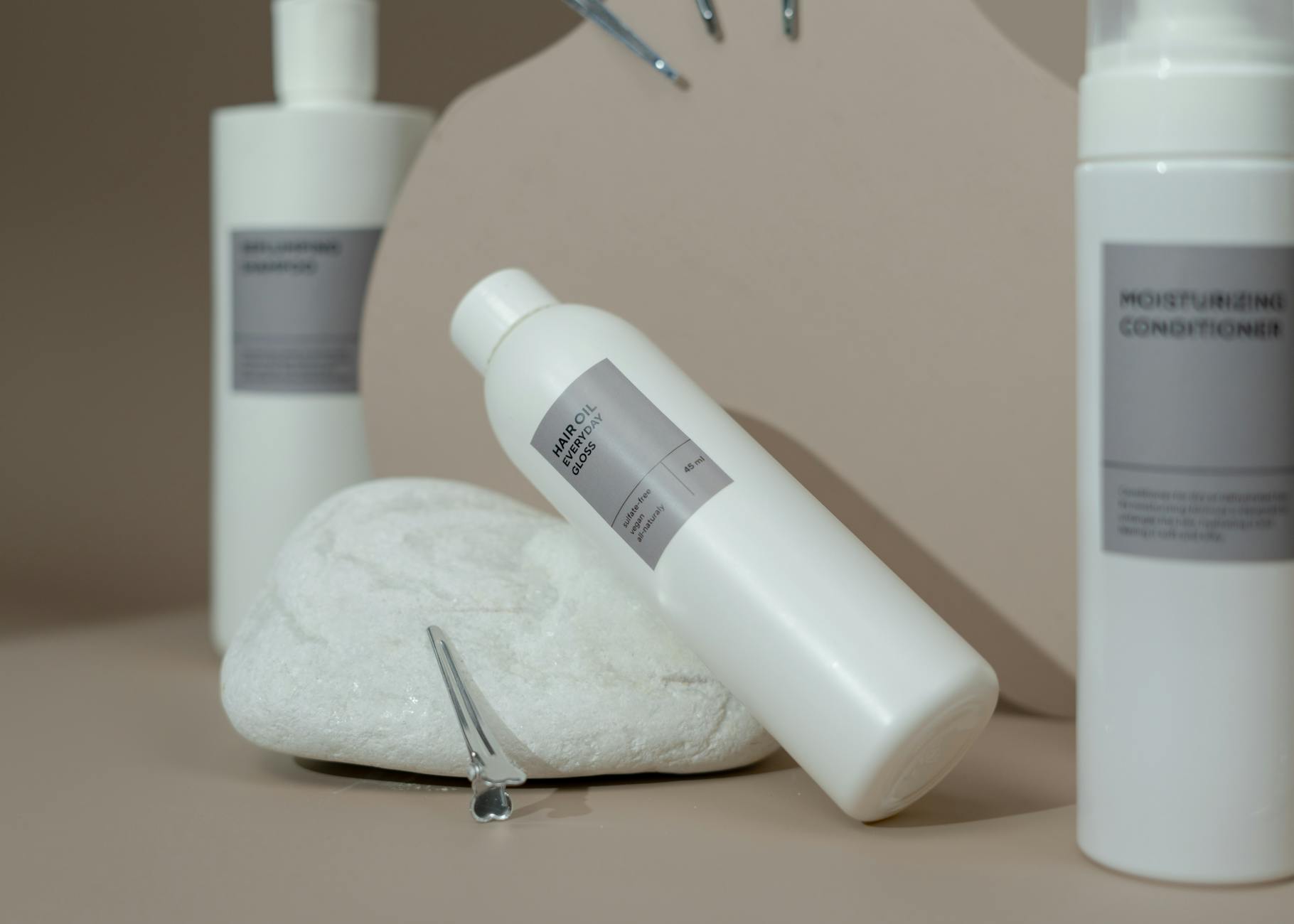
Which Hair Product Ingredients Are Most Likely to Trigger Breakouts?
The american Academy of Dermatology has identified several hair care ingredients as highly comedogenic, meaning they’re particularly likely to clog pores. Petroleum jelly, mineral oil, and lanolin are the most problematic offenders. These occlusive agents are popular in hair products because they provide moisture and shine, but they create a barrier on the skin that traps bacteria and dead skin cells, leading to inflammation and acne.
Beyond these heavy occlusives, silicones (particularly dimethicone), certain waxes, and high concentrations of glycerin can also contribute to breakouts in susceptible individuals. The limitation here is that comedogenicity isn’t one-size-fits-all: a silicone that doesn’t bother one person’s skin might trigger aggressive breakouts in another. Additionally, “natural” hair products aren’t necessarily safer—plant-based oils like coconut oil and shea butter are actually quite comedogenic, even though they’re marketed as gentle alternatives. This is why a friend might rave about a product while it worsens your acne.
Understanding the Specific Pattern of Forehead and Temple Breakouts
Forehead and temple breakouts from hair products follow a predictable pattern because those areas have the most contact with hair and product residue. The temple region is particularly vulnerable because hair naturally frames the face there, the skin is thinner than the cheeks, and many women rest the side of their head on pillows at night—pressing product-laden hair directly against the skin for eight hours or more.
The breakouts in these areas tend to be concentrated along the hairline and within one to two inches of where hair normally rests. Women often notice a clear demarcation between affected skin and unaffected skin, which is a telltale sign of acne cosmetica rather than hormonal acne (which tends to distribute more evenly). For instance, if you always wear your hair up except on weekends, you might notice that weekend breakouts cluster specifically where your hair hangs loose on Friday and Saturday nights.

How to Identify Whether Your Hair Products Are the Culprit
The most reliable way to determine if hair products are causing your breakouts is to eliminate likely suspects and observe whether your skin improves. This requires a methodical approach: stop using one product at a time over a period of two to four weeks, starting with the product applied most frequently or those containing known comedogenic ingredients. Many women find it helpful to keep a simple log noting which product they discontinued and when breakouts begin to clear.
The challenge here is that acne doesn’t clear overnight—skin typically needs four to six weeks after discontinuing a pore-clogging product before you see meaningful improvement. This means you can’t quickly test multiple products simultaneously; you have to be patient and systematic. Additionally, if you’re simultaneously experiencing hormonal acne from menopause-related changes, it can be difficult to isolate the hair product variable. In these cases, consulting a dermatologist can help clarify whether your acne is primarily driven by hormonal factors, product use, or a combination of both.
Steps to Take If You’ve Identified Problematic Products
Once you’ve identified a hair product as the likely cause of your acne, discontinue it and replace it with a product labeled as non-comedogenic or specifically formulated for acne-prone skin. Look for lighter formulations: serums instead of thick creams, lightweight oils instead of heavy butters, and water-based styling products instead of wax-based ones. Read the full ingredient list and avoid products containing petroleum jelly, mineral oil, lanolin, or high concentrations of silicones and emollient waxes.
A common mistake women make is abandoning all conditioner because they assume all conditioners cause breakouts. This is overly restrictive—the solution is to choose a lighter conditioner and apply it only to the ends of your hair, keeping it at least an inch away from the scalp and hairline. Another warning: be cautious of products marketed as “all-natural” or “organic.” These terms don’t guarantee non-comedogenic formulations; in fact, many natural oils are highly comedogenic. Always check the actual ingredient list rather than relying on marketing language.
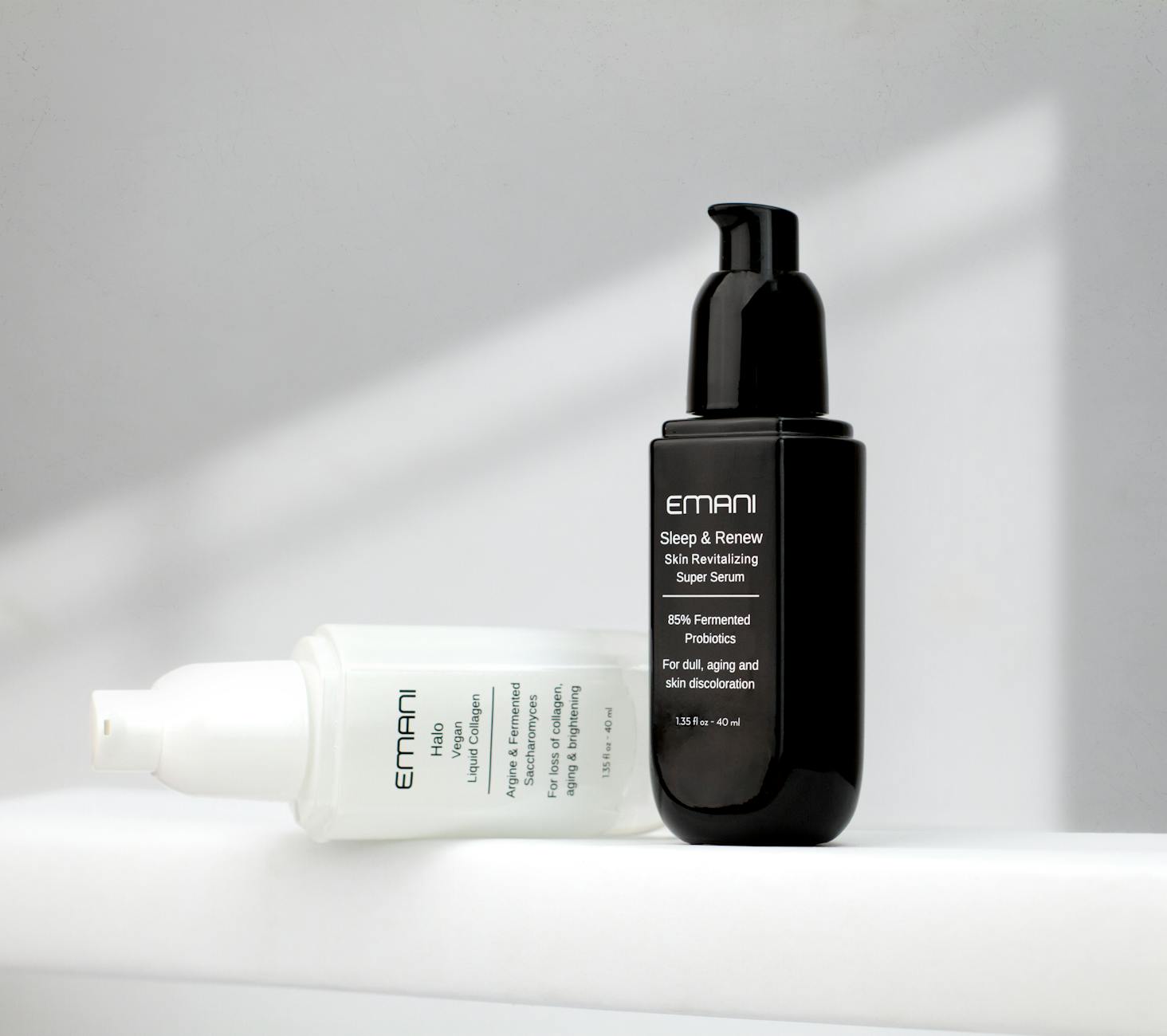
Timeline and Realistic Expectations for Skin Improvement
If hair products are genuinely causing your acne, you should expect to see noticeable improvement within four to six weeks of discontinuing the problematic product and switching to a non-comedogenic alternative. This is the standard timeline dermatologists observe for acne cosmetica clearing after product discontinuation. However, some women see improvement faster—within two to three weeks—while others might need up to eight weeks, particularly if they have sensitive skin or have been using the problem product for many months.
It’s important to understand that even after switching products, you might experience slight initial worsening as your skin purges remaining product residue and bacteria-laden oil. This temporary flare typically lasts only a few days and shouldn’t discourage you. If your acne hasn’t improved at all after six to eight weeks of using a genuinely non-comedogenic hair product, then hair products likely aren’t the primary cause, and you should explore other factors like hormonal changes or skincare product ingredients.
Long-Term Hair Care Strategies for Acne-Prone Skin in Your 40s and Beyond
The key to preventing hair product-related acne long-term is to view your hair care products through an acne-prevention lens, not just a hair-care lens. This means prioritizing lightweight formulations over heavily moisturizing ones, even if your hair feels drier.
Many women find that their hair adjusts within a few weeks of switching to lighter products, and they eventually need less product overall because buildup decreases. Additionally, consider protective strategies like wearing your hair up on days when you apply thicker products, washing your hairline and temples with a gentle cleanser after applying leave-in treatments, and changing your pillowcase frequently to reduce nightly exposure to product residue. These behavioral adjustments can allow you to use slightly richer products without triggering acne, since you’re minimizing contact with facial skin.
Conclusion
Hair products are a genuine and treatable cause of acne in women over 40, particularly when breakouts concentrate along the forehead and temples. While the research shows that about 89.8% of women with acne experience breakouts across multiple facial areas, with external factors like hair products contributing to temple and hairline involvement, identifying and addressing product-related breakouts is straightforward: discontinue the suspected product, switch to a non-comedogenic alternative, and give your skin four to six weeks to clear.
The good news is that unlike hormonal acne, which requires systemic treatment or acceptance, acne cosmetica is entirely preventable and reversible. By reading ingredient lists carefully, prioritizing lightweight formulations, and adjusting your application methods, you can maintain healthy, hydrated hair without sacrificing clear skin. If you’ve struggled with persistent forehead and temple acne despite using different skincare products, reassess your hair care routine—the answer may be simpler than you think.
You Might Also Like
- At Least 66% of Parents of Teens With Acne Don’t Realize That Their Hair Products May Be Causing Forehead and Temple Breakouts
- At Least 57% of Women Over 40 With Acne Would Benefit From Knowing That Pore Size Is Genetically Determined and Cannot Be Permanently Shrunk
- At Least 54% of Women With Hormonal Acne Have Tried Fabric Softener Residue on Pillowcases Can Irritate Acne-Prone Skin