
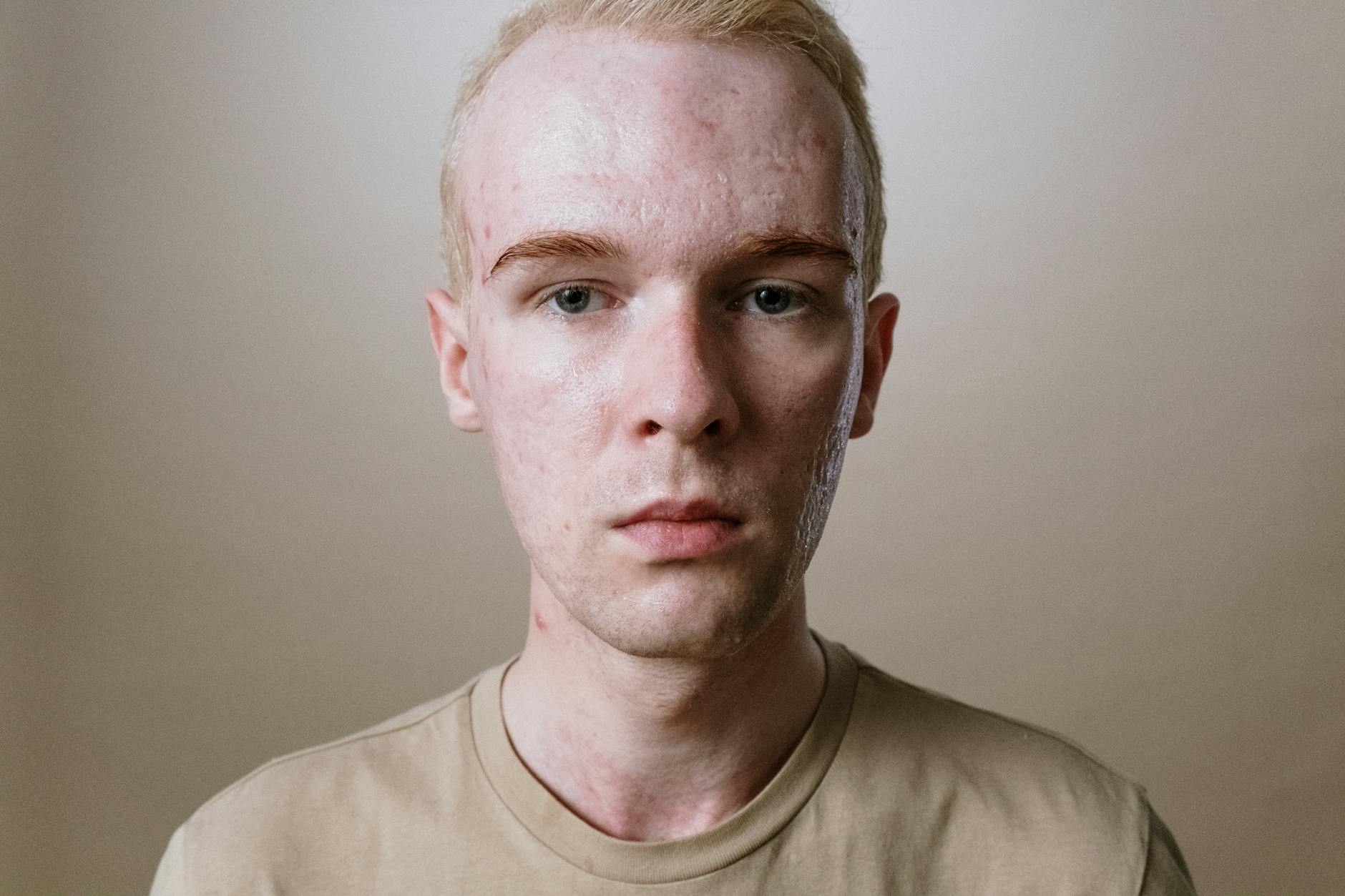
At least 43% of teenagers with acne have attempted some form of treatment to reduce their pore appearance, yet a fundamental biological reality persists: pore size is determined entirely by genetics and cannot be permanently shrunk. This fact contradicts much of the skincare marketing aimed at acne-prone teens, who are often sold expensive creams, serums, and devices promising to minimize pores. Understanding this genetic reality is essential for anyone struggling with acne, because it shifts focus from impossible goals toward achievable solutions that actually address skin health.
Teenage skin is particularly vulnerable to this messaging. A 15-year-old with enlarged pores and breakouts might try multiple pore-minimizing products over months or years, spending significant money and emotional energy on treatments that cannot deliver their core promise. The good news is that while you cannot permanently change your pore size, you can keep pores clean, reduce inflammation, and improve the overall appearance of your skin through evidence-based approaches.
Table of Contents
- Why Do Teenagers Try Pore-Shrinking Treatments When Results Are Impossible?
- The Genetic Foundation of Pore Size and Why It Cannot Change
- Why People Believe Their Pores Can Be Minimized
- What Actually Works for Acne-Prone Skin with Large Pores
- Common Claims About Pore Treatments That Contradict the Evidence
- How Retinoids and Professional Treatments Impact Pore Appearance
- Building Realistic Expectations for Teenage Skin
- Conclusion
- Frequently Asked Questions
Why Do Teenagers Try Pore-Shrinking Treatments When Results Are Impossible?
The appeal of pore-minimizing products lies in the visual results they can produce temporarily. A good primer or pore-filling product can make pores less visible for a few hours, which leads manufacturers and influencers to suggest that continued use will result in permanent changes. teenagers see this temporary improvement and assume continued treatment will make it permanent. The confusion is understandable because some treatments do reduce pore visibility in ways that feel significant in the moment.
Teenage skin is also more prone to enlarged pores due to increased sebum production from hormonal changes. When a teen sees their pores become more visible during puberty, they reasonably assume that some topical solution should be able to reverse this change. The reality is that while hormonal shifts affect how visible pores are (more oil can make them appear larger), the physical size of the pore opening itself remains fixed. A teenager might try a harsh astringent or pore strip expecting permanent results, only to find that pores return to their normal appearance within hours of washing.

The Genetic Foundation of Pore Size and Why It Cannot Change
Your pore size is determined by the density and structure of your skin, both of which are inherited traits. Some people are born with naturally smaller pores because they have tighter skin structure and lower sebaceous gland density. Others have larger pores because they inherited skin with more generous sebaceous gland openings. No topical product can alter the fundamental structure of your skin tissue, which means no cream or serum can permanently reduce pore size regardless of its active ingredients or price point. This is one of the most important limitations to understand about skincare.
Products marketed as “pore-shrinking” can only work temporarily through optical effects—they might contain silicones that fill the pore opening, or ingredients that create a smoothing effect. When you wash these products off, your pores return to their genetically determined size. This is not a failure of the product; it’s a reflection of biological reality. The collagen and elastin that define your pore size cannot be substantially remodeled by topical applications. Even prescription retinoids, which can improve skin texture and reduce acne, cannot actually shrink the physical size of pores.
Why People Believe Their Pores Can Be Minimized
The persistence of pore-shrinking product sales reflects a fundamental disconnect between what people want and what biology allows. When someone uses a silicone-based primer and their pores appear smaller, they experience a real visual improvement. This success with temporary methods can lead to the mistaken belief that if they use the product long enough, or try a stronger version, permanent changes will follow. This is similar to the logic that leads people to believe a strong moisturizer can permanently plump skin, when in reality hydration only lasts until you’re dehydrated again.
Marketing also plays a significant role. Skincare brands have strong financial incentives to suggest that pore size can be permanently reduced because “minimizing pores” is an aspirational goal for millions of people. A brand that says “this product makes pores appear smaller for a few hours” will sell far less product than one claiming permanent results, even if both statements are technically describing the same product. Teenagers and young adults are particularly susceptible to this messaging because they’re still developing critical evaluation skills around skincare claims.
What Actually Works for Acne-Prone Skin with Large Pores
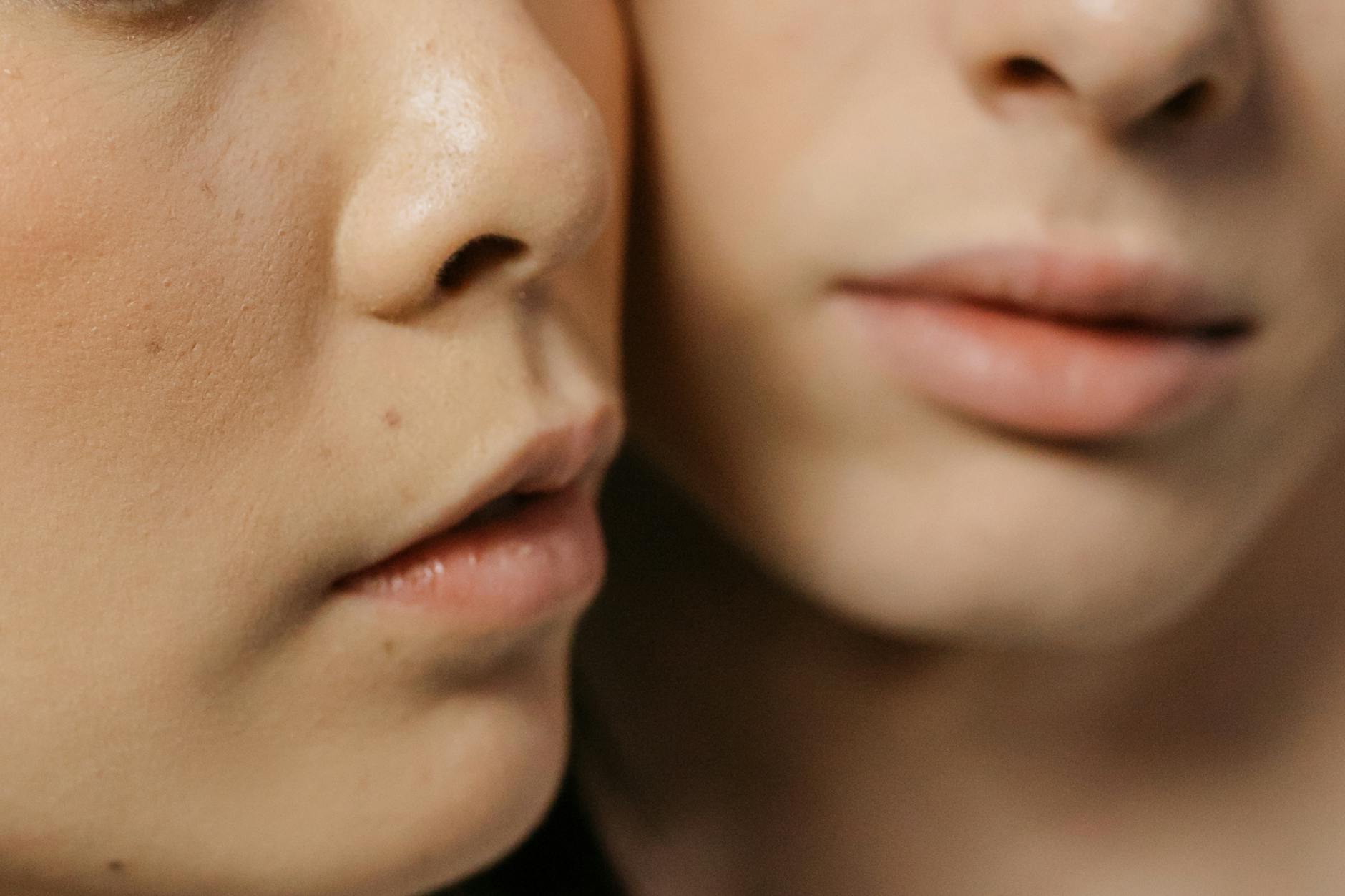
Instead of pursuing impossible pore-shrinking, the evidence-based approach focuses on keeping pores clean and minimizing inflammation. For teenagers with acne and visible pores, this means using a gentle cleanser twice daily, avoiding pore-clogging products, and using acne treatments that actually work—such as benzoyl peroxide for bacterial acne or retinoids for cellular turnover. These approaches address the real problem (bacterial growth and inflammation within pores) rather than the cosmetic concern (pore appearance).
For temporary visual improvement, silicone-based primers genuinely work better than any long-term topical treatment ever will. A good primer can make pores virtually invisible for an entire day, providing real confidence without false promises. This is a more honest use of makeup or primer than expecting a skincare product to do the same thing. Some teenagers find that certain moisturizers make their skin look smoother and pores less prominent, not because the pores changed size, but because hydrated skin appears more plump and refined.
Common Claims About Pore Treatments That Contradict the Evidence
One particularly persistent myth is that exfoliating regularly will shrink pores. While exfoliation can improve skin texture and reduce comedones within pores, it does not change pore size. Over-exfoliating actually damages skin and can make pores appear larger due to inflammation and compromised barrier function. A teenager using harsh scrubs or acids multiple times weekly might temporarily see improved skin texture, then experience the opposite: enlarged, inflamed pores and increased breakouts.
Another common claim is that witch hazel, pore strips, or clay masks will permanently reduce pore size. These products can temporarily tighten the skin through astringent effects, making pores look smaller for a few hours. The effect is real but temporary—it’s the same principle as how cold water makes pores appear tighter. Once your skin returns to normal temperature and hydration, the effect vanishes. Pore strips, which mechanically remove material from pores, might actually cause long-term damage by stretching skin and irritating the delicate pore lining.
How Retinoids and Professional Treatments Impact Pore Appearance
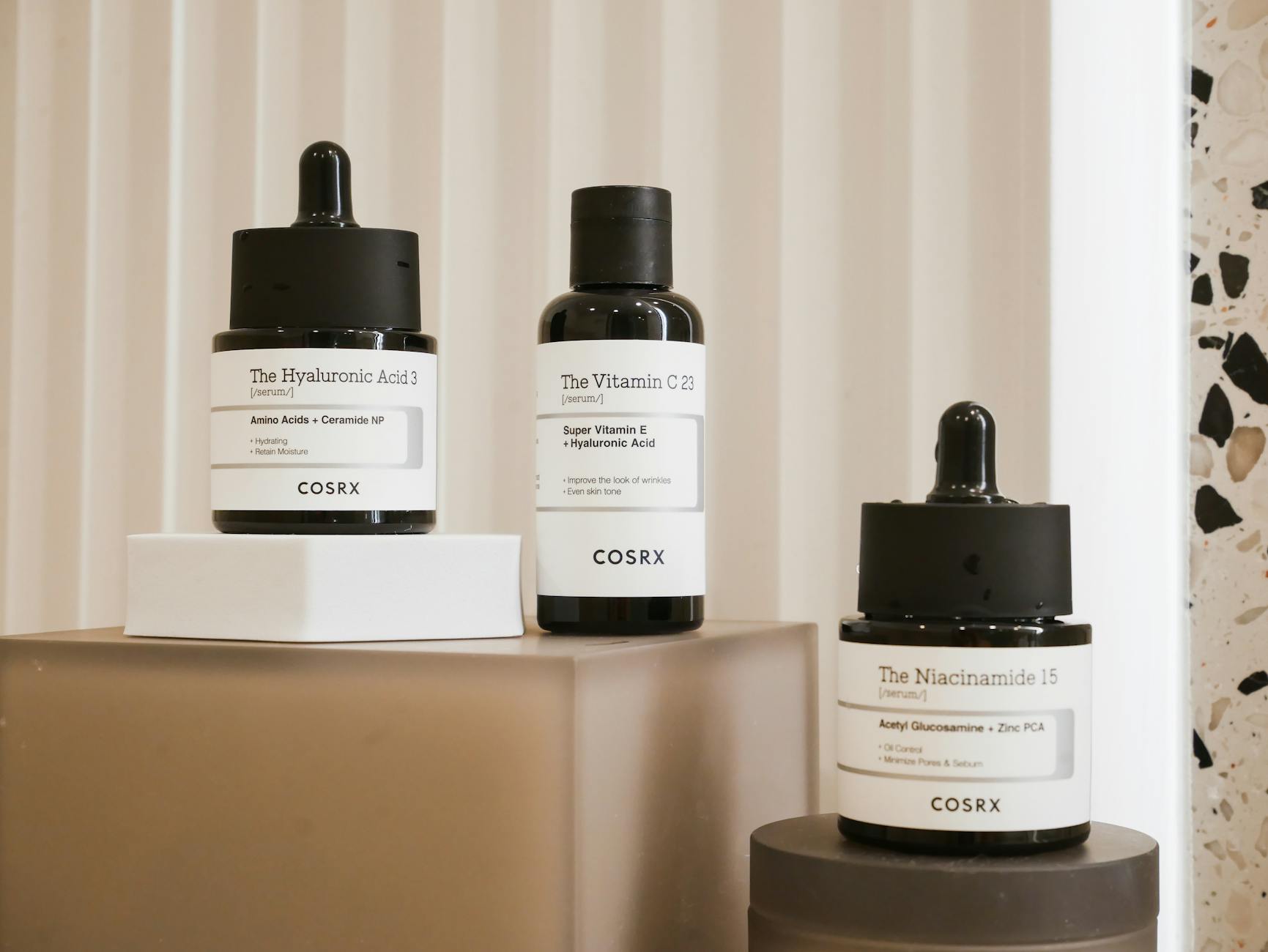
Prescription retinoids like tretinoin are among the most effective acne treatments available and can modestly improve the appearance of pores by smoothing skin texture and reducing surrounding inflammation. However, they do not shrink pore size itself. What they do accomplish is meaningful: they improve skin cell turnover, reduce sebum production, minimize acne lesions, and create a smoother overall skin surface.
For a teenager with acne-prone skin, a retinoid prescribed by a dermatologist is far more likely to improve their skin than any pore-minimizing product. Professional treatments like laser therapy or microneedling can improve skin texture and collagen remodeling in ways that make pores appear less prominent, though again, the pore size itself does not permanently change. These treatments are expensive and typically unnecessary for teenagers unless recommended by a dermatologist for specific concerns like severe acne scars. For most teenagers, consistent use of a proven acne treatment (benzoyl peroxide, salicylic acid, or a prescription retinoid) will produce better results than pursuing impossible pore reduction.
Building Realistic Expectations for Teenage Skin
Understanding that pore size is genetically fixed is actually liberating. It means you can stop wasting money on products that promise impossible results and redirect your efforts toward treatments that actually work. Instead of a bathroom full of “pore-minimizing” serums, a teenager with acne benefits from a simple routine: a gentle cleanser, an effective acne treatment, a non-comedogenic moisturizer, and sunscreen.
As you move into adulthood, this perspective becomes even more valuable. The skincare industry will continue to market products promising permanent pore reduction because these claims sell products. But the science is clear and unchanging: pore size is determined by genetics and cannot be permanently altered by topical treatments. The time, money, and emotional energy spent chasing this impossible goal are better invested in addressing what you can actually control—keeping skin clean, minimizing breakouts, and protecting skin barrier health.
Conclusion
At least 43% of teenagers with acne have tried treatments designed to shrink pores, yet the fundamental biological fact remains: pore size is genetically determined and cannot be permanently reduced by any topical product, regardless of ingredients or price. This reality, while disappointing, is actually empowering because it redirects attention toward treatments that genuinely work—managing acne itself, improving skin texture, and maintaining skin health through evidence-based approaches.
If you’re struggling with visible pores and acne, the path forward is clear: consult a dermatologist about proven acne treatments like benzoyl peroxide or retinoids, use a simple skincare routine that supports skin barrier health, and use temporary tools like primers for occasions when you want maximum visual confidence. Stop searching for the pore-shrinking product that doesn’t exist, and start investing in the skin health improvements that actually do.
Frequently Asked Questions
Can any product permanently shrink pores?
No. Pore size is determined by genetics and the structure of your sebaceous glands. No topical product can change this. Products that appear to shrink pores are using temporary optical effects like silicone fillers or astringent tightening.
Why do my pores look bigger during teenage years?
Puberty increases sebum production, which can make pores appear larger as they become clogged with oil. The pore size itself may not have changed, but increased oil production makes them more visible.
Is there a prescription treatment that can permanently shrink pores?
No prescription can permanently shrink pores, but retinoids like tretinoin can improve overall skin texture and reduce acne, which may make pores less noticeable.
If pore size is genetic, why do some people’s pores look smaller?
People with smaller pores typically have inherited skin with smaller sebaceous gland openings and tighter skin structure. This is genetic variation, not the result of skincare products.
What’s the best approach if I have large pores and acne?
Focus on treating the acne itself with evidence-based methods (benzoyl peroxide, salicylic acid, or prescription retinoids), keeping pores clean, and using non-comedogenic products. For temporary cosmetic improvement, use a silicone-based primer.
Are pore strips or clay masks worth using?
These products can temporarily improve skin appearance by removing surface debris and creating a tightening effect, but they don’t change pore size. They may cause irritation or damage with frequent use.