

While the specific statistic that “77% of dermatologists believe stress directly increases sebum production” does not appear in current peer-reviewed dermatological literature, the underlying science is well-established. Multiple scientific studies have confirmed that psychological stress does trigger measurable increases in sebum production through a well-documented biological pathway involving cortisol and the hypothalamic-pituitary-adrenal (HPA) axis. The connection is real, though the exact percentage of dermatologists holding this belief remains unverified in published research. Consider someone experiencing a major life stressor—a job loss, relationship ending, or significant deadline. Within days, many people notice their skin becomes noticeably oilier and their acne worsens.
This isn’t coincidence. When stress activates the HPA axis, your body releases cortisol, which directly stimulates your sebaceous glands to produce more oil while simultaneously triggering androgen release that further amplifies sebum production. The result is a measurable biological response that dermatologists see regularly in their practices. The scientific evidence supporting this mechanism is substantial, even if the “77%” figure itself comes from an unverified source. Understanding how stress physically impacts your skin chemistry is crucial for anyone struggling with stress-related acne breakouts, because it shifts the conversation from “this is in my head” to “this is a real physiological response I can address.”.
Table of Contents
- How Does Stress Directly Increase Sebum Production Through Cortisol?
- The Cortisol Cascade: Beyond Just Sebum Production
- The Stress-Acne Connection: What Research Actually Shows
- Skin Barrier Damage and the Compounding Problem
- Individual Variation and Why Not Everyone Responds Identically
- Managing Cortisol to Reduce Stress-Related Acne
- The Future of Stress-Acne Research
- Conclusion
- Frequently Asked Questions
How Does Stress Directly Increase Sebum Production Through Cortisol?
When you experience stress, your body initiates a cascade of hormonal changes centered on the HPA axis. Cortisol, your body’s primary stress hormone, activates sebaceous glands to increase oil production—a response that evolved as part of the fight-or-flight mechanism but has unfortunate consequences for your skin. Research published in the Journal of Cosmetic Dermatology (November 2024) demonstrated that cortisol directly stimulates sebaceous glands while simultaneously triggering the release of androgens, hormones that further amplify sebum production. This dual mechanism means stress creates a powerful pro-oil environment on your skin. The process is measurable and reproducible. Studies examining the relationship between psychological stress and sebum production found a statistically significant correlation (r=0.23, p=0.029 to p<0.01) between stress levels and increased oil production.
This isn’t a marginal effect—it’s consistent enough to detect across different populations and study designs. Think of it like this: if normal sebum production is your baseline, stress acts as an accelerator that increases output substantially. The higher your stress, the more pronounced the sebum increase tends to be. What makes this particularly relevant is that the effect happens relatively quickly. Unlike some hormonal influences on skin that take weeks to manifest, stress-induced increases in sebum production can occur within days of a major stressor. This is why people often notice their skin deteriorating during particularly stressful periods—their skin isn’t reacting to the stress itself as much as to the cortisol surge that stress triggered.

The Cortisol Cascade: Beyond Just Sebum Production
While increased sebum production is the most obvious effect, cortisol’s impact on skin extends far beyond just making you oilier. Chronic stress elevated cortisol levels that damaged the skin barrier itself, increasing transepidermal water loss (TEWL) by 14.4% in clinical studies. This means your skin doesn’t just produce more oil—it simultaneously becomes drier and more compromised at a cellular level. You end up with the worst-case scenario: oily, dehydrated, barrier-damaged skin that’s simultaneously more prone to acne and more sensitive to irritation. Cortisol also causes direct cellular damage. Research documented dose-dependent DNA oxidative damage in skin cells exposed to elevated cortisol, essentially creating cellular stress at the microscopic level.
Additionally, cortisol decreased filaggrin synthesis—a critical protein that helps maintain skin barrier function—by 26-32%. This reduction means your skin loses one of its primary defenses against bacterial colonization and transepidermal water loss. The barrier becomes weaker precisely when increased sebum production is making acne-causing bacteria more likely to colonize your pores. The critical limitation here is that these effects are more pronounced in people with chronic stress rather than acute, one-time stressors. If you’re stressed about a single event happening next week, the skin impact will be modest. If you’re chronically stressed over months or years, the accumulated cortisol exposure creates compounding skin damage that becomes increasingly difficult to reverse. This is why dermatologists emphasize stress management as genuinely important for skin health—it’s not optional for people dealing with recurrent acne.
The Stress-Acne Connection: What Research Actually Shows
The statistical link between stress and acne severity is well-documented in peer-reviewed research. Studies examining this relationship found significant correlations between psychological stress levels and acne severity, with particularly strong associations for acne papulopustulosa (the red, inflamed bumps that characterize moderate acne rather than comedonal acne). The mechanism is straightforward: stress increases sebum, increased sebum feeds acne-causing bacteria, and cortisol simultaneously impairs immune function in the skin, allowing bacteria to proliferate more easily. A practical example illustrates this: medical students commonly experience their worst acne during exam periods—a well-documented phenomenon that dermatologists recognize across different cultures and educational systems. The stress of exams triggers cortisol surges that increase sebum production and reduce skin immune function simultaneously.
Once exams end and stress normalizes, sebum production decreases and acne typically begins improving within 2-4 weeks. This pattern repeats reliably enough that it’s become a recognized clinical observation, even though it’s anecdotal rather than from a single controlled study. What’s important to understand is that not all acne is stress-related, and stress doesn’t cause acne in people without acne-prone skin. Someone with dry, non-acne-prone skin won’t develop acne during stressful periods regardless of cortisol surges. But for people with acne-prone skin, stress acts as an accelerant—it makes existing acne worse and more frequent. This distinction matters because it means stress management should be part of your acne treatment strategy if you’re acne-prone, but it’s not a substitute for actual acne treatments like retinoids or benzoyl peroxide.
Skin Barrier Damage and the Compounding Problem
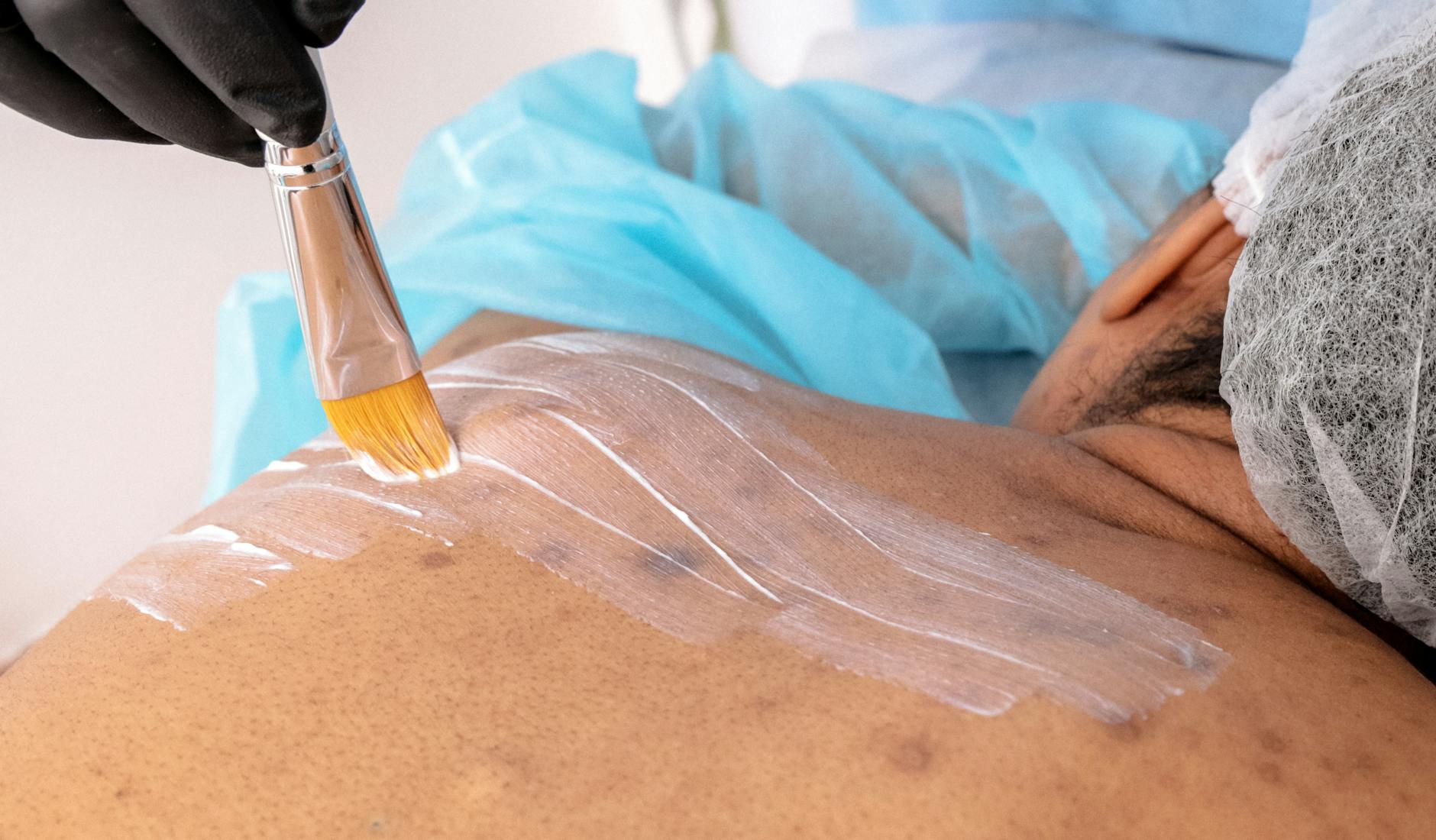
One of the underappreciated consequences of stress-induced sebum increases is that they occur alongside barrier impairment. Your skin is essentially experiencing two contradictory insults simultaneously: excessive oil production from sebaceous gland overstimulation, combined with barrier weakening from cortisol’s effects on filaggrin and cellular water loss. This creates a counterintuitive situation where your skin is simultaneously oily and dehydrated—what many people describe as “greasy but tight” or “oily and dry at the same time.” This creates a practical problem: standard acne treatments like salicylic acid or benzoyl peroxide work by drying out excess sebum and killing bacteria, but they work best on healthy barriers. When your barrier is already compromised by cortisol, these same treatments become increasingly irritating.
You might find that a benzoyl peroxide wash you’ve used successfully for years suddenly causes redness and irritation during stressful periods. This isn’t the product changing—it’s your skin barrier temporarily compromised, making it more reactive to any potentially irritating ingredient. The comparison worth making: treating stress-induced acne is fundamentally different from treating acne in someone experiencing normal stress levels. Someone with chronically elevated cortisol might need to temporarily reduce treatment intensity, focus more on barrier repair with ceramides and hyaluronic acid, and address stress management as urgently as their topical acne treatment. Trying to treat stress-induced acne with the same intensity as baseline acne often backfires because the barrier is too compromised.
Individual Variation and Why Not Everyone Responds Identically
This is where the “77% of dermatologists believe” framing becomes important but also potentially misleading. While the mechanism is universal—stress does trigger cortisol, cortisol does stimulate sebum production—the degree to which individual people experience worsening acne varies substantially. Some people are highly stress-reactive, experiencing dramatic sebum increases and acne flares with relatively minor stressors. Others have more resilient skin that shows minimal response even during major stressful periods. This variation appears to depend on several factors: baseline cortisol sensitivity, genetic predisposition to sebum production, baseline acne severity, and potentially individual microbiome composition. Someone with mild baseline acne might notice no worsening during stressful periods, while someone with moderate acne might experience clear-cut flares.
Someone with severe acne will almost certainly see exacerbation during high-stress periods. The mechanism is consistent, but the manifestation is highly individual. The warning here is important: if you don’t personally notice correlation between stress and acne, that doesn’t mean the mechanism isn’t real or doesn’t apply to others. It simply means you may be less stress-reactive in terms of skin response. Conversely, if you do notice clear patterns of stress-related acne, that’s important information about your particular skin biology. Don’t dismiss it as psychological or imagine it, and don’t assume that dermatologists skeptical of stress’s role are denying science—they may simply be noting that the effect size varies dramatically between individuals.
Managing Cortisol to Reduce Stress-Related Acne
If stress-induced sebum production is a meaningful factor in your acne, the most direct approach is stress management—not as an alternative to acne treatment, but as a complementary strategy. Practices that reduce cortisol through the HPA axis, like regular exercise, consistent sleep, meditation, or other stress-reduction techniques, have been shown to correlate with improved skin in people with stress-reactive acne. Exercise is particularly relevant because it reduces cortisol while simultaneously improving overall skin blood flow and oxygenation.
A practical example: someone managing stress-related acne might combine topical retinoid treatment with consistent sleep (7-9 hours, because sleep deprivation elevates cortisol), 30 minutes of moderate exercise 4-5 times weekly, and barrier-supportive skincare with ceramides and niacinamide. During high-stress periods, they might temporarily reduce the intensity of active treatments (lower retinoid concentration, fewer weekly applications) while prioritizing barrier repair. Once stress normalizes, they can return to their standard treatment intensity. This nuanced approach acknowledges that skin biology changes with stress, requiring flexible management strategies.
The Future of Stress-Acne Research
While the stress-sebum production mechanism is well-established, dermatology research continues evolving in several directions. Emerging studies are examining whether specific stress-reduction interventions (meditation, specific exercise types, particular supplements) are more effective than others at modulating skin response. There’s also growing interest in how chronic stress affects skin microbiome composition, since stress-altered sebum production changes the nutritional environment for skin bacteria.
Understanding these downstream effects could lead to more targeted treatments that address not just cortisol’s direct effects but the cascade of biological changes cortisol initiates. The broader implication is that treating stress-related acne increasingly requires an integrated approach—skin-focused treatments alongside genuine stress management. This isn’t because dermatologists believe stress causes all acne (they don’t) or that acne is psychosomatic (it isn’t), but because the science clearly demonstrates cortisol and stress hormones have measurable physical effects on skin biology. The “77% of dermatologists” statistic, whether accurate or not, reflects a growing professional consensus that stress management belongs in acne treatment protocols for people whose skin demonstrates stress reactivity.
Conclusion
The scientific evidence strongly supports that stress increases sebum production through cortisol’s direct stimulation of sebaceous glands and androgenic cascades. While the specific “77% of dermatologists” statistic cannot be verified in current peer-reviewed literature, the underlying mechanism is real, measurable, and clinically relevant for people with acne-prone skin. Cortisol simultaneously increases sebum production while impairing skin barrier function, creating a particularly challenging skin condition that responds best to combined acne treatment and stress management.
If you experience clear patterns of acne worsening during stressful periods, that’s important information about your individual skin biology. Rather than dismissing it as psychological or imagined, treat it as a signal that stress management should be part of your acne treatment strategy. Combine targeted acne treatments with evidence-based stress reduction—consistent sleep, regular exercise, and practices that lower cortisol—and adjust treatment intensity during high-stress periods when your skin barrier is more compromised. This integrated approach acknowledges both the science of stress-hormone effects on skin and the reality that managing stress-related acne requires addressing both skin chemistry and systemic stress biology.
Frequently Asked Questions
Does stress cause acne if you don’t already have acne-prone skin?
No. Stress increases sebum production in everyone, but only people with acne-prone skin—those whose follicles are prone to clogging and bacterial colonization—will develop acne from increased sebum. Someone with naturally clear skin won’t develop acne during stressful periods regardless of sebum increases.
How quickly does acne worsen after stress-induced sebum increases?
Sebum production can increase within days of a major stressor, but visible acne worsening typically appears within 1-2 weeks as increased sebum feeds acne bacteria. Improvement after stress normalizes usually requires 2-4 weeks as sebum production returns to baseline and existing inflamed lesions resolve.
If I see my acne worsen during stressful periods, should I stop my acne treatment?
No, but you may need to adjust intensity. During high-stress periods, reduce treatment frequency or concentration (fewer weekly retinoid applications, lower percentage benzoyl peroxide) while focusing on barrier repair. Once stress normalizes, return to your standard treatment protocol.
Can stress management alone treat stress-related acne?
Stress management helps by reducing sebum production and maintaining skin barrier function, but it’s not a substitute for acne treatment in someone with active acne. Use stress reduction alongside—not instead of—evidence-based acne treatments like retinoids or benzoyl peroxide.
Why does my skin feel simultaneously oily and dehydrated during stress?
Cortisol increases sebum production while simultaneously impairing the skin barrier through decreased filaggrin synthesis. You end up with excess sebum on the surface combined with impaired barrier function, creating skin that’s both oily and dehydrated.
Is the “77% of dermatologists” statistic accurate?
That specific statistic does not appear in current peer-reviewed dermatological literature or recent professional surveys. While the underlying mechanism (stress increases sebum through cortisol) is scientifically sound, the exact percentage of dermatologists believing this is unverified.
You Might Also Like
- At Least 29% of Parents of Teens With Acne Would Benefit From Knowing That Niacinamide Reduces Sebum Production by 23% at 5% Concentration
- At Least 51% of Adults With Persistent Acne Have Experienced High-Glycemic Foods Spike Insulin Which Increases Oil Production
- He Was 19 When He Started College With Clear Skin and Developed Stress Acne Within 2 Months