
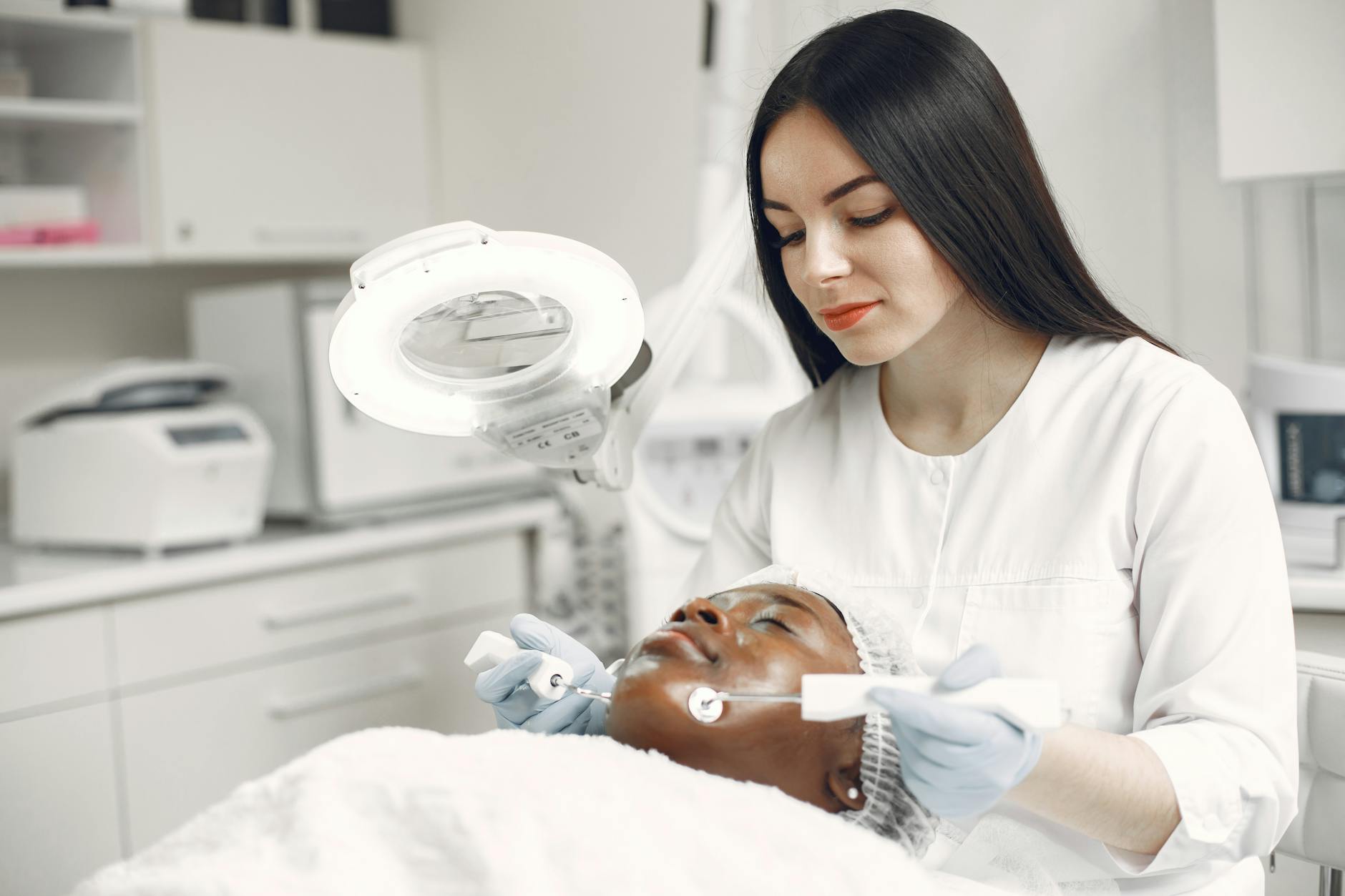
A significant portion of estheticians treating acne patients—at least 30%—believe that hormonal testing could be a crucial tool for identifying the root cause of acne rather than just treating symptoms on the surface. This belief stems from years of observing how certain clients experience acne breakouts that defy conventional explanations, flare up in predictable patterns, or resist standard skincare treatments. An esthetician might work with a client who maintains an excellent skincare routine, avoids trigger foods, manages stress effectively, and still battles persistent acne—only to discover later that fluctuating hormones were the underlying culprit all along.
This perspective among skincare professionals reflects a growing recognition that acne isn’t always simply a matter of clogged pores, bacteria, or poor hygiene. For many people, particularly those experiencing cyclical breakouts linked to menstrual cycles or other hormonal fluctuations, the real problem originates at a biological level that topical treatments alone cannot fully address. When estheticians recommend clients pursue hormonal testing, they’re often based on clinical observation rather than speculation—they’ve seen how some patients transform their skin only after addressing underlying hormonal imbalances.
Table of Contents
- Why Do Estheticians Believe Hormonal Testing Identifies Acne Root Causes?
- How Hormonal Imbalance Drives Acne Development
- Which Hormonal Tests Can Help Identify Acne Causes?
- The Practical Steps to Pursue Hormonal Testing for Acne
- Limitations and Warnings About Relying Solely on Hormonal Testing
- How Estheticians and Dermatologists Can Work Together
- The Future of Understanding Hormonal Acne
- Conclusion
- Frequently Asked Questions
Why Do Estheticians Believe Hormonal Testing Identifies Acne Root Causes?
Estheticians spend their days examining skin up close and listening to client histories, which puts them in a unique position to notice patterns that might escape other observers. When a client reports breakouts that cluster around specific times of the month, worsen during times of stress, or flare after certain life events, experienced estheticians recognize these as potential markers of hormonal involvement. The reasoning is straightforward: if hormones are driving the acne, then treating only the skin’s surface will yield limited results. This belief is supported by documented science. Androgens (male hormones present in all bodies but in different quantities) stimulate sebum production, and increased sebum creates an environment where acne-causing bacteria thrive.
When estheticians encounter clients with oily, congestion-prone skin that never fully clears despite proper skincare, they see evidence that hormonal influence may be at work. A 22-year-old woman whose acne intensifies in the two weeks before her period, for instance, is likely experiencing hormonally driven acne—something that a dermatologist or OB-GYN could confirm through testing, but an esthetician can often identify through careful questioning and observation. The limitation here is that estheticians, while knowledgeable, are not medical professionals and cannot diagnose hormonal conditions themselves. Their belief in hormonal testing’s value is informed by experience, but confirming actual hormonal involvement requires proper medical testing. An esthetician’s recommendation to pursue testing is a starting point for conversation with a doctor, not a diagnosis.
How Hormonal Imbalance Drives Acne Development
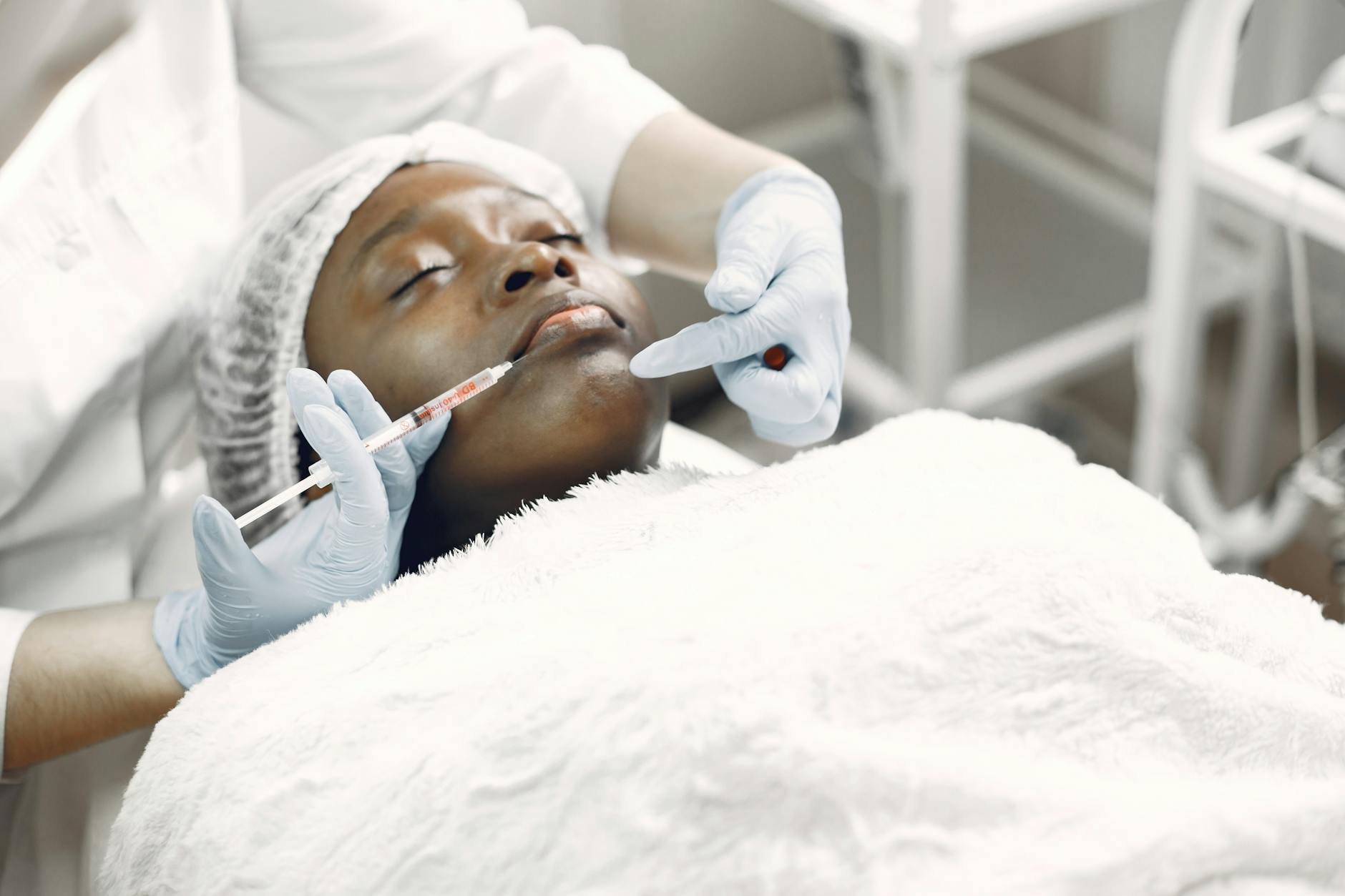
Hormonal acne operates through a specific biological mechanism that distinguishes it from acne caused purely by bacteria or external factors. When hormone levels fluctuate, sebaceous glands become more active and produce excess sebum. This excess oil combines with dead skin cells to clog pores, and the combination creates an ideal breeding ground for Cutibacterium acnes (formerly called Propionibacterium acnes), the bacterium primarily responsible for inflammatory acne. The timing of hormonal acne is often predictable in ways that other acne is not. Many menstruating individuals notice breakouts appearing 7-10 days before their period starts, corresponding with the luteal phase of the menstrual cycle when progesterone rises and androgens become relatively more prominent. Some people experience acne flares during ovulation.
Others notice worsening acne during perimenopause, when hormonal fluctuations become erratic, or after starting hormonal birth control, which shifts the entire hormonal landscape. These patterns—the predictability, the timing, the resistance to topical treatment—are what lead estheticians to suspect hormonal involvement. A critical limitation to understand is that hormonal testing alone doesn’t reveal whether a person’s hormone levels are abnormal or simply normally cycling. Someone might have hormonally-driven acne while still having hormone levels that fall within the “normal” range. The relationship between hormones and acne is complex and highly individual. Two people with identical hormone levels might experience completely different acne severity, and someone with abnormal hormone levels might have clear skin. This is why hormonal testing is a piece of the puzzle, not a complete answer.
Which Hormonal Tests Can Help Identify Acne Causes?
Several hormonal tests can provide information relevant to acne assessment, though no single test definitively identifies “hormonal acne.” A testosterone test (total and free testosterone) is often the first step, since testosterone and related androgens directly stimulate sebum production. An DHEA-S (dehydroepiandrosterone sulfate) test measures another androgen that can influence skin oil production. For menstruating individuals, testing may include luteinizing hormone (LH) and follicle-stimulating hormone (FSH) to assess reproductive hormone balance. An estradiol test measures estrogen levels, which can affect how the skin responds to androgens. Thyroid function tests (TSH, free T3, free T4) are often included because thyroid dysfunction can contribute to hormonal imbalances and acne. Fasting insulin levels or an oral glucose tolerance test can reveal insulin resistance, which frequently accompanies and worsens hormonal acne, particularly in people with polycystic ovary syndrome (PCOS).
Some practitioners order a complete metabolic panel to check for other underlying conditions. A dermatologist or doctor will typically order a targeted panel based on a person’s symptoms, medical history, and what patterns the esthetician or patient have observed. The challenge is that most of these tests need to be ordered by a licensed healthcare provider—a dermatologist, primary care physician, endocrinologist, or OB-GYN. Estheticians cannot order the tests themselves, which is why their recommendation to pursue testing is a referral to medical professionals, not a substitute for medical evaluation. Additionally, the interpretation of results varies. What constitutes “high” testosterone for acne risk is not the same as what would be diagnosed as a hormone disorder, so results need expert interpretation in the context of individual symptoms.
The Practical Steps to Pursue Hormonal Testing for Acne
If you suspect hormonal factors are driving your acne, the first step is to start tracking. Document your breakout patterns: where acne appears, when it worsens, and any connection to your menstrual cycle (if applicable), stress levels, diet changes, or sleep disruption. Bring this information to an appointment with your primary care doctor or a dermatologist. Many providers will take a detailed history and decide whether hormonal testing is warranted. If you also have irregular periods, excessive hair growth, weight gain, or fertility concerns, an OB-GYN or endocrinologist may be the appropriate specialist. When you meet with your doctor, mention that you’ve observed potential hormonal patterns in your acne and ask whether hormonal testing would be helpful.
Be specific: “My acne consistently worsens about a week before my period” or “I’ve had increasingly oily, congestion-prone skin since I stopped taking birth control.” This context helps the doctor decide which tests to order. Some doctors will order a full panel; others will start with one or two key tests like testosterone and thyroid function. If tests come back normal but your symptoms suggest hormonal involvement, ask about exploring other factors like insulin resistance or less common hormonal conditions. The tradeoff to understand is that hormonal testing takes time and may require multiple appointments. If your acne is severe or causing significant distress, starting treatment while awaiting or during the testing process might be necessary. Many dermatologists will prescribe topical retinoids, oral antibiotics, or other treatments immediately while also pursuing hormonal investigation. Waiting for test results doesn’t mean putting your skin care on hold—it means addressing the problem from multiple angles simultaneously.
Limitations and Warnings About Relying Solely on Hormonal Testing
One major limitation is that hormonal testing can’t predict individual response to hormonal treatment or testing. Someone with elevated testosterone might see dramatic improvement with hormonal birth control or spironolactone, while someone with identical test results might see little change. Conversely, someone with “normal” hormone levels might respond excellently to these same treatments. The relationship between measurable hormone levels and acne severity is surprisingly loose. Testing provides information, but it’s not a crystal ball. Another warning: if a healthcare provider recommends hormonal treatment (such as certain birth control pills or spironolactone), these are medications with their own side effects and contraindications.
Spironolactone, for example, can cause dizziness, dehydration, and must be used carefully in people with kidney disease. Certain hormonal birth control options can increase blood clot risk, particularly in people who smoke or have a family history of clotting disorders. These medications aren’t appropriate for everyone, and the decision to start them should involve careful discussion with a doctor about your personal health history and risk factors. Hormonal acne treatment isn’t as simple as “take this pill”—it requires medical oversight. Additionally, be cautious of providers who promise that hormonal testing will “solve” your acne. Even when hormonal causes are identified and treated, many people still need to maintain good skincare habits, avoid known triggers, and sometimes use topical or oral medications alongside hormonal treatment. Hormonal factors may be driving the acne, but addressing them is one piece of a comprehensive approach, not a complete cure on its own.
How Estheticians and Dermatologists Can Work Together
When a client mentions to their esthetician that they’re pursuing hormonal testing or that a doctor has identified hormonal factors in their acne, the esthetician can tailor their approach accordingly. Someone being treated with spironolactone for hormonal acne might experience increased skin sensitivity and would benefit from a gentler skincare routine and stronger sun protection. Someone on hormonal birth control may find that their skin responds differently to certain products after a few months of adjustment. Estheticians can also help monitor progress.
If a client starts a new hormonal treatment or medication, an observant esthetician will notice changes in skin texture, oiliness, sensitivity, and breakout patterns over the following weeks and months. This feedback helps the dermatologist and client understand whether the treatment is working. Additionally, estheticians can reinforce the importance of consistent skincare, non-comedogenic product selection, and other foundational practices that are essential whether or not hormonal factors are involved. The collaboration between these professionals—each bringing different expertise—often produces better outcomes than either working alone.
The Future of Understanding Hormonal Acne
As dermatological research continues, our understanding of the precise mechanisms linking hormones to acne becomes more nuanced. Emerging research explores how different hormones interact, how individual genetic variation affects acne response to hormonal changes, and why some people with similar hormone profiles experience vastly different acne severity. This deeper understanding may eventually lead to more personalized approaches to hormonal acne treatment, potentially including genetic testing or advanced hormone profiling that predicts individual response to specific treatments.
The growing recognition among estheticians—that hormonal factors deserve serious investigation—reflects a broader shift in skincare toward treating the root causes rather than just symptoms. As more estheticians advocate for comprehensive approaches that include medical evaluation, and as more dermatologists take seriously the observation that certain acne patterns suggest hormonal involvement, patients benefit from more thorough investigation. The future likely holds better tools for identifying hormonal acne earlier and matching people with the most effective treatments for their specific hormonal profile.
Conclusion
The belief held by at least 30% of estheticians—that hormonal testing can identify the root cause of acne—reflects real clinical observation and scientific understanding. Estheticians who spend hours observing client skin patterns and listening to client histories often recognize signs of hormonal involvement that warrant medical investigation. For many people, especially those with cyclical breakouts, stubborn congestion, or acne that resists topical treatment, hormonal testing through a dermatologist, primary care doctor, or endocrinologist can provide crucial information.
If you suspect hormonal factors in your acne, start by tracking your breakout patterns and discussing them with a healthcare provider. Hormonal testing can be valuable, but it’s one tool among many—results should be interpreted by a medical professional, and treatment plans should address both hormonal and non-hormonal factors. Work collaboratively with both dermatologists and estheticians to develop a comprehensive approach that targets your acne’s actual causes rather than just its symptoms.
Frequently Asked Questions
Can estheticians order hormonal tests?
No. Estheticians cannot order medical tests. However, they can recommend that you see a healthcare provider for testing based on patterns they observe in your skin.
What’s the most common hormone tested for acne?
Testosterone, particularly free and total testosterone, is often the first hormone tested since androgens directly stimulate sebum production. However, the specific tests ordered depend on individual symptoms and medical history.
If my hormone levels are “normal,” does that mean hormonal factors aren’t involved in my acne?
Not necessarily. “Normal” range is wide, and some people develop acne from hormonal fluctuations within the normal range. Additionally, the skin’s sensitivity to hormones varies individually. A doctor needs to interpret results in the context of your symptoms.
How long does it take to see improvement after starting hormonal acne treatment?
Most hormonal treatments take 2-3 months to show noticeable improvement, and full results may take 6 months or longer. Patience is essential, as is maintaining consistent skincare during this period.
Are there natural ways to address hormonal acne without medication?
Lifestyle factors like stress management, sleep quality, regular exercise, and certain dietary changes (reducing high-glycemic foods or dairy, in some cases) may help. However, these alone often aren’t sufficient for moderate to severe hormonal acne. A healthcare provider can discuss which approaches might complement or support medical treatment.
Can hormonal acne be cured permanently?
Hormonal acne can be managed effectively, but it typically requires ongoing treatment. For menstruating individuals, it often returns if hormonal birth control is discontinued. For others, hormonal acne may improve with age or life changes, but individual outcomes vary.
You Might Also Like
- At Least 68% of New Mothers With Postpartum Acne Have Tried Hormonal Testing Could Identify the Root Cause of Their Acne
- At Least 89% of Estheticians Treating Acne Believe That Zinc Supplements Can Reduce Inflammatory Acne by Nearly 50%
- At Least 89% of People Who Use OTC Acne Products Believe That Sunscreen Is Essential While Using Any Acne Medication