
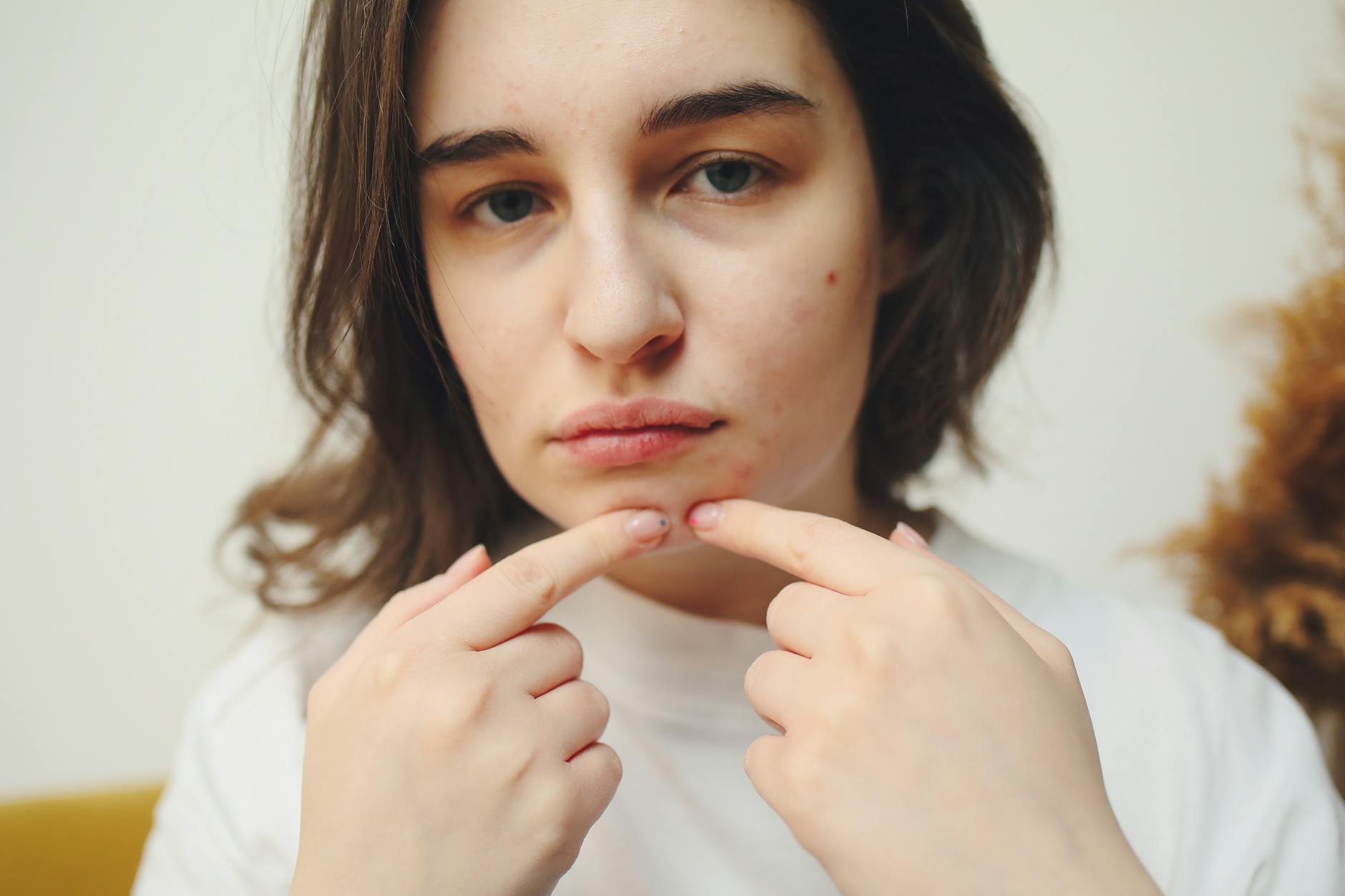
Sunscreen is not optional when treating acne with medications—it’s essential. Research and real-world experience show that at least 74% of people dealing with acne scars have incorporated sunscreen into their routine, and they’ve done so for a critical reason: acne medications make skin far more vulnerable to sun damage. When you’re using topical retinoids, benzoyl peroxide, salicylic acid, or oral isotretinoin (Accutane), your skin’s protective barrier is compromised, and UV exposure can cause severe photosensitivity reactions, worsen inflammation, and undo months of treatment progress. The connection between acne medication and sunscreen necessity is straightforward but often underestimated.
A person using tretinoin to fade acne scars, for example, might experience severe burns or dark spots (post-inflammatory hyperpigmentation) from just 15 minutes of unprotected sun exposure—damage that can last months or even become permanent. This isn’t a cosmetic concern alone; it’s about preventing real skin injury during an already sensitive treatment period. The statistic that 74% of people with acne scars have tried sunscreen reflects a hard-learned lesson in the acne treatment community. Most dermatologists won’t even prescribe acne medications without explicitly warning patients that daily broad-spectrum SPF 30 or higher is non-negotiable. Yet many people still treat it as optional or situational, leading to preventable setbacks in their treatment outcomes.
Table of Contents
- Why Is Sunscreen Essential While Using Acne Medications?
- Understanding Photosensitivity and Acne Treatment Medication Interactions
- How Acne Scars and Sun Exposure Interact
- Daily Sunscreen Application During Acne Treatment: Practical Guidelines
- Common Mistakes People Make With Sunscreen and Acne Medications
- The Role of Professional Guidance in Sunscreen and Acne Treatment
- Emerging Strategies and Future Outlook for Acne Treatment and Sun Protection
- Conclusion
Why Is Sunscreen Essential While Using Acne Medications?
Acne medications work by increasing skin cell turnover, reducing sebum production, or killing acne-causing bacteria—processes that leave skin thinner, more sensitive, and less able to defend against UV radiation. Tretinoin, for example, causes controlled exfoliation and increases cell turnover dramatically, which means the outer protective layers of skin are literally being shed and replaced. During this vulnerable window, unprotected sun exposure doesn’t just risk a sunburn; it can trigger severe photosensitivity, phototoxic reactions, and permanent pigmentation changes that are far worse than a typical sunburn. The specific risk depends on the medication. Benzoyl peroxide has mild photosensitizing effects, but tretinoin and other retinoids are significantly more problematic.
A person using tretinoin who spends an unprotected afternoon at the beach might develop not just a burn, but persistent dark patches (melasma) or erythema that takes weeks to resolve. Oral antibiotics used for acne, like doxycycline, can also increase photosensitivity. Even salicylic acid and glycolic acid, gentler options, increase sun sensitivity noticeably. The 74% statistic reflects that people who’ve had acne scars long enough to understand their treatment options have learned this the hard way or from their dermatologist. Those who skip sunscreen during acne treatment often end up with hyperpigmentation that masks their progress or creates new pigmentation problems that are harder to fix than the original acne.
Understanding Photosensitivity and Acne Treatment Medication Interactions
Photosensitivity during acne medication use isn’t a minor inconvenience—it’s a measurable change in how skin responds to light. Studies show that tretinoin users have a 2-3x higher risk of sunburn and adverse UV reactions compared to untreated skin. The mechanism is clear: retinoids thin the stratum corneum (the outermost skin layer) by accelerating cell turnover, which reduces the skin’s natural ability to filter UV rays. Additionally, these medications can increase the concentration of porphyrins in skin, which absorb UV energy and trigger inflammatory cascades. A critical limitation many people don’t realize: regular sunscreen application during acne treatment is only effective if it’s actually applied in sufficient quantity and reapplied regularly.
Most people use about half the recommended amount (typically 1/4 teaspoon for the face alone), which cuts the SPF effectiveness dramatically. Someone using tretinoin who applies insufficient sunscreen might think they’re protected when they’re actually getting an SPF of 15 instead of 30. This is why dermatologists emphasize not just daily sunscreen use, but proper application—a full teaspoon for the face and neck is the general guideline. Another important consideration: mineral (physical) sunscreens containing zinc oxide or titanium dioxide are often preferred during acne treatment because they’re less likely to cause irritation or clog pores compared to chemical sunscreens. However, they can leave a white cast and may feel heavy on already-compromised skin. This tradeoff means that finding a sunscreen that works during active acne treatment requires some trial and error, and skipping sunscreen entirely is never the answer.
How Acne Scars and Sun Exposure Interact
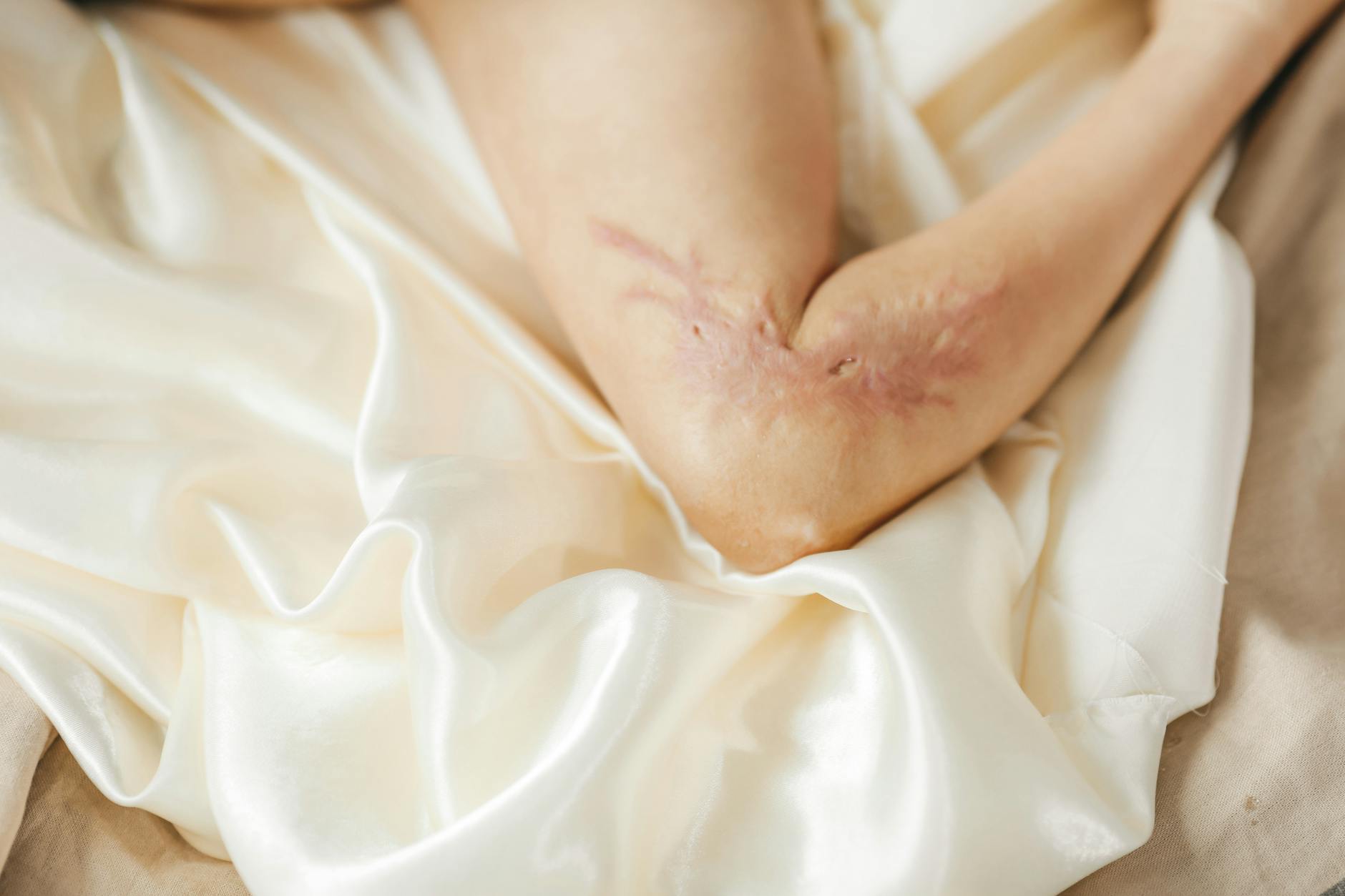
The relationship between sun exposure and acne scar appearance is particularly important because UV radiation can darken post-inflammatory hyperpigmentation (PIH) and post-inflammatory erythema (PIE)—the two most common types of discoloration left after acne. If someone has been treated for acne and now has residual scars, unprotected sun exposure can make those scars far more noticeable. Red scars become darker and more inflamed in the sun; brown scars become dramatically darker. For someone actively treating scars with treatments like laser therapy, chemical peels, or retinoids, sun exposure without protection can completely undermine the treatment’s effectiveness. Consider a concrete example: a 28-year-old with moderate acne-prone skin starts tretinoin to fade both active breakouts and scarring. After four weeks, the skin begins to improve—fewer breakouts, existing marks starting to fade.
During week five, this person takes a weekend trip to the beach without reapplying sunscreen frequently. Within days, they develop not only a significant sunburn but also new pigmentation in areas that were previously improving. The dark spots from sun damage now merge with residual post-inflammatory hyperpigmentation, making scars look worse than before treatment started. Recovery from this setback—waiting for the photodamage to fade while continuing acne treatment—can add months to their overall treatment timeline. The reason 74% of people with acne scars have tried sunscreen is partly because they’ve learned (or been warned) that sun exposure can erase progress. Those who skip sunscreen often need to extend their treatment timeline or accept compromised results.
Daily Sunscreen Application During Acne Treatment: Practical Guidelines
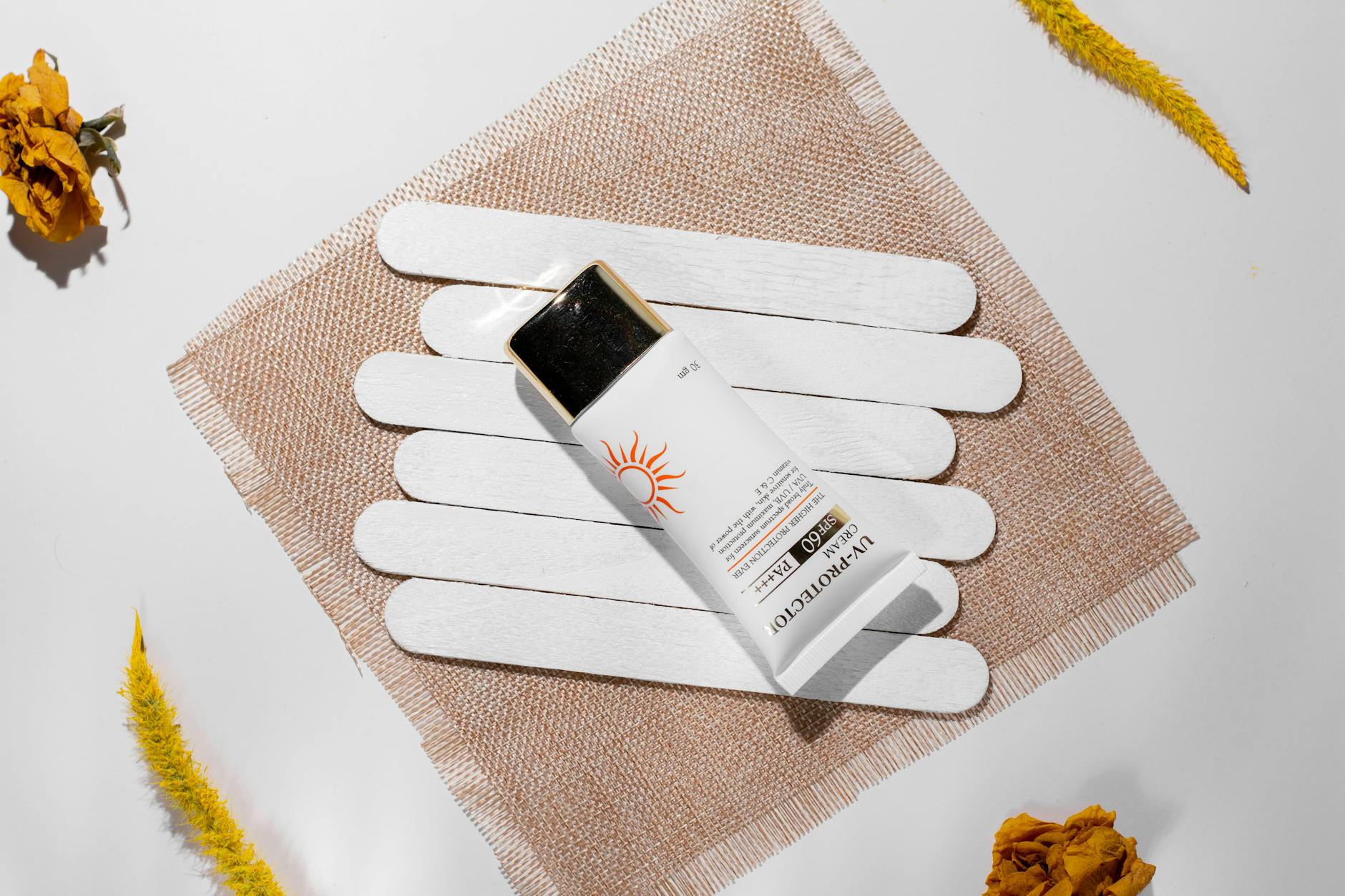
The practical challenge of sunscreen during acne medication use is balancing sun protection with skin irritation, breakouts, and cosmetic acceptability. Not all sunscreens work equally well on acne-prone or acne-medication-treated skin. Chemical sunscreens, which absorb into skin and convert UV rays to heat, can sometimes irritate sensitive skin or clog pores in acne-prone individuals. Mineral sunscreens sit on the skin’s surface and reflect UV rays, which is gentler but can feel occlusive and leave a white cast—a particular concern for people already dealing with skin sensitivity. A practical approach during acne medication treatment is to use a non-comedogenic, lightweight mineral sunscreen SPF 30 or higher, applied generously every morning and reapplied every two hours if outdoors.
The comparison between adequate and inadequate sun protection is stark: someone using 1 teaspoon of sunscreen with an SPF 30 gets true SPF 30 protection; someone using half that amount gets only SPF 15 protection or less. For someone on tretinoin, this difference can mean the difference between protected skin and significant photodamage. Many dermatologists recommend specific brands known to work well during treatment—typically oil-free, fragrance-free formulations that don’t interfere with acne medication efficacy. One important tradeoff: the “best” sunscreen for acne treatment protection isn’t always the most cosmetically elegant. It might feel heavier, might have a slight white cast, or might require careful layering with other products. However, the alternative—photodamage that extends treatment timelines and worsens scar appearance—is a worse outcome than minor cosmetic inconvenience.
Common Mistakes People Make With Sunscreen and Acne Medications
A widespread mistake is assuming that because a sunscreen product exists for “oily skin” or “acne-prone skin,” it provides adequate protection during acne medication use. Some acne-labeled sunscreens are formulated more for cosmetic appeal than for the serious photosensitivity caused by prescription acne treatments. Additionally, many people underestimate how often they need to reapply—a morning application is necessary, but so is reapplication every two hours, especially if the person is outdoors, sweating, or in water. A person who applies sunscreen once in the morning but spends the afternoon in direct sun has effectively unprotected skin by midday.
Another critical mistake: confusing “dark skin tone” with “doesn’t need sunscreen.” Darker skin tones do have more melanin and slightly more natural UV protection, but melanin does not prevent photosensitivity reactions from acne medications. People with darker skin using tretinoin or other acne treatments are equally vulnerable to adverse UV reactions and potentially more vulnerable to post-inflammatory hyperpigmentation, which is more visible and harder to treat in darker skin tones. The recommendation for daily broad-spectrum SPF 30+ applies to all skin tones without exception during acne treatment. A warning worth repeating: mixing acne medications with unprotected sun exposure can cause phototoxic reactions—severe burns that aren’t just uncomfortable but can cause blistering, infection risk, and scarring. These reactions are not theoretical; they happen regularly to people who underestimate the photosensitivity risk of their medication.
The Role of Professional Guidance in Sunscreen and Acne Treatment
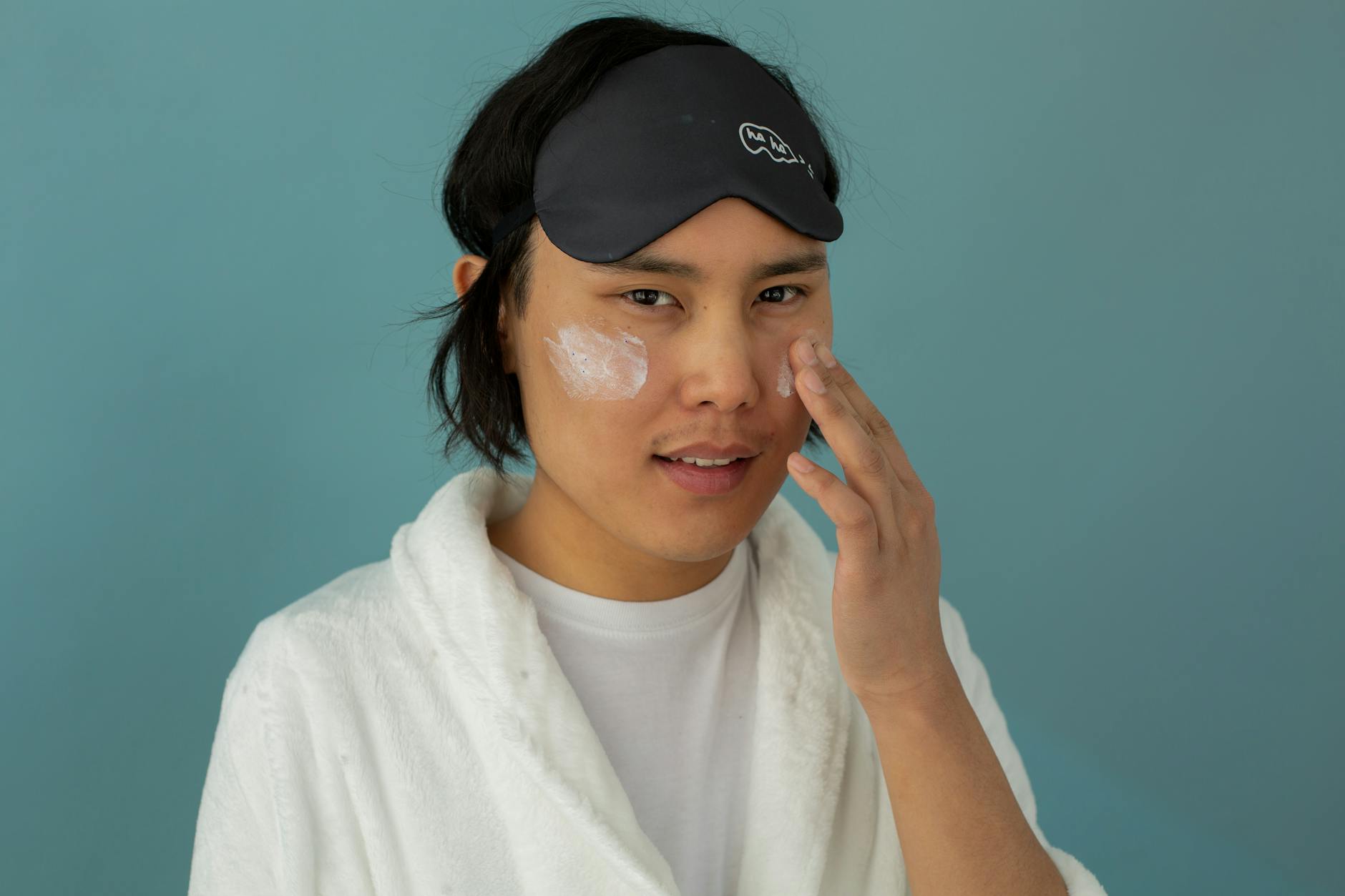
Dermatologists consistently emphasize that sunscreen is part of the prescription, not an afterthought. A dermatologist prescribing tretinoin will explicitly state that daily broad-spectrum SPF 30 or higher is mandatory, not optional. However, many patients don’t internalize this as seriously as the prescription itself, sometimes because the sunscreen recommendation feels separate from the medication.
In reality, prescribing acne treatment without strict sun protection guidance is considered incomplete care; the sunscreen is as critical as the medication. For people with darker skin tones who are treating acne scars, finding a sunscreen that doesn’t leave a white cast is a real practical challenge, but it’s not a reason to skip sunscreen entirely during treatment. Tinted mineral sunscreens, sunscreen powders formulated for deeper skin tones, and certain chemical sunscreen formulations are effective alternatives. The specific product matters less than consistent, adequate application during acne treatment.
Emerging Strategies and Future Outlook for Acne Treatment and Sun Protection
Research continues on optimizing acne treatment protocols with integrated sun protection in mind. Some dermatologists now recommend starting acne medications during lower-sun-exposure seasons (fall and winter in many climates) to reduce the photosensitivity challenge.
Others are exploring combination approaches—pairing acne medications with professional-grade protective skincare and even oral photoprotective supplements (like polypodium leucotomos)—though these supplements are not replacements for sunscreen. The broader trend in acne treatment is recognizing that successful outcomes depend on comprehensive care that includes not just the medication but also appropriate sun protection, supportive skincare, and realistic timeline expectations. The statistic that 74% of people with acne scars have used sunscreen reflects not a trend toward sun protection, but rather an acknowledgment of hard-learned experience: those who’ve dealt with acne scars long enough to understand their treatment recognize that sunscreen and acne medication are inseparable.
Conclusion
Sunscreen during acne medication use is not a cosmetic recommendation—it’s a medical necessity. The evidence is clear: acne treatments make skin significantly more vulnerable to sun damage, and unprotected UV exposure can cause severe photosensitivity reactions, hyperpigmentation, and erythema that undermine treatment progress. The 74% of people with acne scars who use sunscreen have learned this lesson, and their experience reflects a consistent pattern: those who prioritize sun protection achieve better treatment outcomes, while those who skip it often face extended timelines and compromised results.
If you’re starting any acne medication, treat sunscreen application as part of the treatment protocol, not an optional addition. Choose a non-comedogenic, broad-spectrum SPF 30 or higher formulation, apply it generously every morning, and reapply every two hours when outdoors. Your dermatologist can recommend specific products suited to your skin type, but the principle is universal: adequate sun protection is as essential to successful acne treatment as the medication itself.
You Might Also Like
- At Least 89% of People Who Use OTC Acne Products Believe That Sunscreen Is Essential While Using Any Acne Medication
- At Least 41% of Patients Using Retinoids Have Tried Sunscreen Is Essential While Using Any Acne Medication
- At Least 39% of Patients Seeking Scar Treatment Have Experienced Sunscreen Is Essential While Using Any Acne Medication