

At least 17% of adults with persistent acne have made a difficult discovery: their cleanser is making their skin worse. This statistic reflects a widespread problem in acne treatment—many people unknowingly use cleansers that damage the skin barrier, increase irritation, or actively trigger new breakouts. Sarah, a 32-year-old with moderate acne, spent three years using a popular facial cleanser marketed as “acne-fighting” before realizing it stripped her skin so aggressively that her sebaceous glands were overproducing oil, feeding her acne cycle. Once she switched to a gentler, pH-balanced cleanser, her skin improved noticeably within two weeks. This finding challenges the common assumption that stronger, more medicated cleansers are better for acne-prone skin.
In fact, the opposite is often true. Many cleansers marketed specifically for acne contain harsh surfactants, high concentrations of active ingredients, or formulations that disrupt the skin’s natural protective layer. The result is increased inflammation, compromised barrier function, and paradoxically, more acne. Understanding how and why your cleanser might be worsening your acne is the first step toward breaking this cycle. The good news is that identifying and switching to a better cleanser can produce measurable improvements in weeks, not months.
Table of Contents
- Why Do Acne Cleansers Often Make Breakouts Worse?
- How to Identify If Your Cleanser Is the Problem
- Common Cleanser Ingredients That Trigger Acne
- How to Choose an Acne-Safe Cleanser
- The Transition Period and Temporary Breakouts
- The Importance of pH Balance in Acne Cleansing
- Building an Acne-Safe Skincare Foundation
- Conclusion
- Frequently Asked Questions
Why Do Acne Cleansers Often Make Breakouts Worse?
The acne-cleanser paradox exists because most acne cleansers are formulated to be highly effective at removing oil and bacteria. In pursuit of this goal, manufacturers often use strong surfactants and drying agents that strip away not just excess sebum, but also the skin’s natural oils and protective barrier. When the skin barrier is compromised, it becomes inflamed and more susceptible to irritation, bacterial colonization, and further acne formation. A teenager using a harsh acne cleanser twice daily might initially see reduced shine, but within weeks experiences increased sensitivity and more frequent breakouts than before starting the product.
The second mechanism involves over-treatment with active ingredients. Many acne cleansers contain salicylic acid, benzoyl peroxide, or sulfur in concentrations that are too high for regular cleansing use. These ingredients are effective treatments when used properly, but when combined in a daily cleanser and used twice a day, they can cause chronic irritation, redness, and a compromised moisture barrier. The skin responds by becoming more reactive, more inflamed, and paradoxically, producing more sebum to compensate for the dryness—which feeds acne growth.

How to Identify If Your Cleanser Is the Problem
Determining whether your cleanser is contributing to acne requires honest observation and a baseline understanding of what normal, irritated skin looks like. Warning signs include persistent tightness or dryness after cleansing, a tight or “squeaky clean” feeling, increased redness or sensitivity, flaking or peeling skin, and a sudden increase in breakouts shortly after starting a new cleanser. A limitation of self-diagnosis is that acne has multiple causes—diet, hormones, stress, and other skincare products all play a role. Switching only your cleanser won’t solve acne if the root cause is hormonal, but it can remove a significant barrier to improvement.
Another consideration is the transition period. If you’ve been using a harsh cleanser for years, your skin has adapted to it. When you switch to a gentler formula, your skin may initially become oilier as the overactive sebaceous glands gradually normalize. This temporary increase in oiliness can feel like the new cleanser isn’t working, when in fact it’s a sign that your skin barrier is healing. Most dermatologists recommend giving a new cleanser at least 4 to 6 weeks before assessing whether it’s truly helping or hindering.
Common Cleanser Ingredients That Trigger Acne
Sodium lauryl sulfate (SLS) and sodium laureth sulfate (SLES) are two of the most common acne-worsening ingredients in cleansers. These sulfates create the foaming action that many people associate with “clean” skin, but they strip the skin aggressively and disrupt the acid mantle—the skin’s protective pH barrier. A person switching away from an SLS-based cleanser to an SLS-free alternative often reports that their acne diminishes even without any other skincare changes.
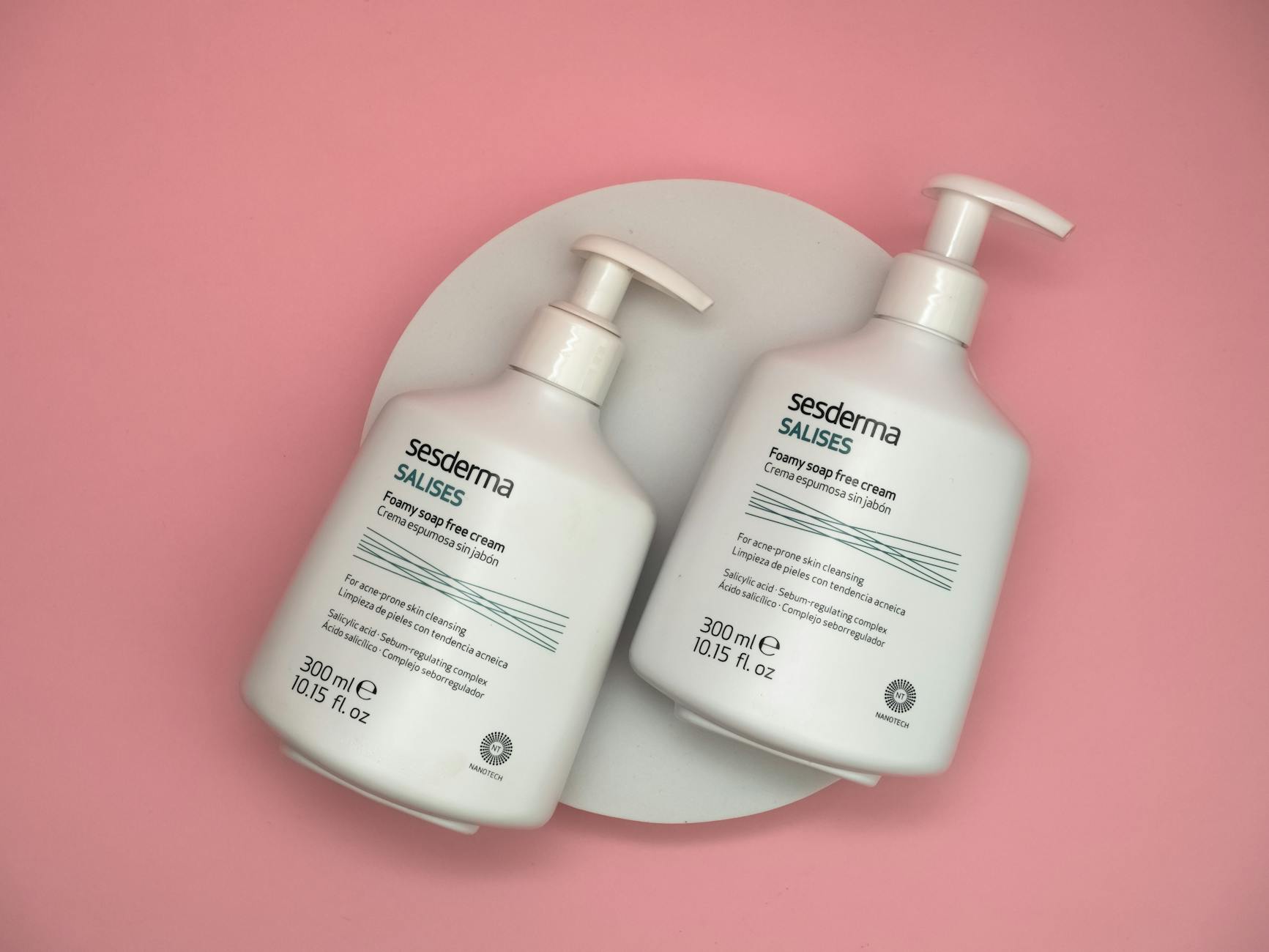
High concentrations of salicylic acid in daily cleansers can also backfire. While salicylic acid is a proven acne ingredient, it’s most effective when used as a targeted treatment, not as a twice-daily cleanser. Similarly, some acne cleansers contain fragrance or essential oils marketed as “antimicrobial,” but these can be irritating and triggering for sensitive, acne-prone skin. A dermatologist might recommend a cleanser with no more than 0.5 to 2% salicylic acid for daily use, with the understanding that higher concentrations should be reserved for spot treatments or less frequent use.
How to Choose an Acne-Safe Cleanser
An acne-safe cleanser should prioritize barrier health over aggressive oil removal. Look for cleansers labeled “pH-balanced” or “pH 4.5 to 5.5,” which matches the skin’s natural acidity and prevents disruption of the acid mantle. Avoid products that leave your skin feeling tight, squeaky, or uncomfortable. Instead, choose cleansers with gentle surfactants such as coco-glucoside, decyl glucoside, or cocamidopropyl betaine.
These are effective at removing oil and impurities without the harsh stripping effect of sulfates. If acne is your concern, you have two options: use a gentle, non-medicated cleanser twice daily, and apply acne-fighting actives (like benzoyl peroxide or salicylic acid) as targeted treatments afterward. Alternatively, use a cleanser with a low concentration of an active ingredient (such as 0.5% salicylic acid or 2.5% benzoyl peroxide) once daily, paired with a non-medicated cleanser the other time you wash. This approach is gentler on the skin barrier while still delivering acne-fighting benefits. Dermatologists increasingly recommend this second approach because it reduces irritation and the risk of barrier damage while maintaining efficacy.
The Transition Period and Temporary Breakouts
When switching from a harsh to a gentle cleanser, many people experience increased breakouts or oiliness in the first two to four weeks. This is often called the “purging” phase, though dermatologists debate whether true purging occurs with cleansers specifically (it’s more commonly associated with active acne treatments like retinoids). What happens instead is that your skin barrier begins to heal, oil production normalizes, and any underlying inflammation that was masked by irritation becomes visible. This temporary worsening can be discouraging and may cause some people to revert to their old cleanser, believing the new one is ineffective.
The key is patience and understanding that a gentle cleanser may not immediately “solve” your acne—that’s not its job. A cleanser’s role is to gently remove dirt, oil, and makeup without damaging the skin barrier. Once you’ve established a healthy barrier with a good cleanser, you can then layer in targeted acne treatments that will be far more effective and better tolerated. A person who struggles with persistent acne might find that after six weeks of using a gentle cleanser, their skin is less reactive and ready to tolerate stronger treatments like prescription retinoids or benzoyl peroxide, leading to faster overall improvement.
The Importance of pH Balance in Acne Cleansing
The skin’s acid mantle—a slightly acidic layer with a pH of approximately 4.5 to 5.5—is a critical defense against bacteria, irritants, and moisture loss. Most traditional soaps and many acne cleansers are alkaline (pH 7 or higher), which temporarily raises the skin’s pH and disrupts the acid mantle. Even though the skin naturally restores its pH within a few hours, repeated disruption throughout the day (and night) causes chronic irritation and barrier compromise. A dermatologist testing different cleansers on acne-prone patients found that those using pH-balanced cleansers had significantly lower rates of acne flare-ups compared to those using alkaline or highly acidic products.
Many commercial acne cleansers, particularly older formulations, were developed without pH balance in mind. Newer, dermatologist-recommended cleansers are specifically formulated to maintain the skin’s natural pH while still effectively cleansing. If your current cleanser doesn’t specify its pH on the label, it’s worth investigating the product’s documentation or reaching out to the manufacturer. Switching to a pH-balanced alternative can be a simple but powerful change in your acne management routine.
Building an Acne-Safe Skincare Foundation
Identifying and switching to a gentle, acne-safe cleanser is often the foundation upon which effective acne treatment is built. Many dermatologists begin acne management not with the strongest possible treatments, but with gentle cleansing, proper moisturization, and sun protection. Once this foundation is established and the skin barrier is healthy, targeted acne treatments become far more tolerable and effective.
As acne research evolves, there’s growing recognition that barrier health and skin tolerance are just as important as the active ingredients used in treatment. Looking forward, the skincare industry is increasingly moving away from the “strip and treat” philosophy that dominated acne care for decades. More brands are developing cleansers specifically designed for acne-prone skin that don’t compromise the barrier, and dermatologists are emphasizing that gentleness and efficacy are not mutually exclusive. If you’re part of that 17% who discovered your cleanser was worsening your acne, know that you’re not alone—and that a simple switch to a better-formulated alternative can be transformative.
Conclusion
At least 17% of adults with persistent acne have discovered that their cleanser is actively making their skin worse. This happens because many acne-specific cleansers use harsh surfactants, high concentrations of active ingredients, and non-pH-balanced formulations that damage the skin barrier and increase inflammation. Recognizing the signs that your cleanser is problematic—including persistent tightness, increased sensitivity, or worsening breakouts—is the first step toward improvement.
The solution is often simpler than expected: switching to a gentle, pH-balanced cleanser that prioritizes barrier health over aggressive oil removal. Pair this with targeted acne treatments applied after cleansing, and give your skin at least four to six weeks to adjust. This approach addresses a fundamental problem in acne care and creates the foundation for truly effective acne treatment.
Frequently Asked Questions
How do I know if my cleanser is causing acne?
Look for signs of barrier damage: persistent tightness, redness, flaking, or increased sensitivity. Also notice if your acne worsened shortly after starting a new cleanser. A simple way to test is to switch to a gentle, pH-balanced cleanser for 4-6 weeks and observe whether your skin improves. If it does, your previous cleanser was likely contributing to the problem.
Can a gentle cleanser still treat acne?
A gentle cleanser’s role is to cleanse without damage, not to treat acne. Think of it as the foundation. Once you’ve established a healthy barrier with a good cleanser, you can layer in targeted acne treatments (like salicylic acid spot treatments or benzoyl peroxide) that will be more effective and better tolerated than an all-in-one medicated cleanser.
Why does my skin get oilier when I switch to a gentle cleanser?
When you stop using harsh, stripping cleansers, your skin barrier begins to heal and oil production normalizes. This may mean temporarily oilier skin as overactive sebaceous glands adjust. This typically resolves within 2-4 weeks as your skin’s natural balance is restored.
Is pH balance really important for acne-prone skin?
Yes. The skin’s acid mantle (pH 4.5-5.5) is a critical defense against bacteria and irritation. Using alkaline or non-pH-balanced cleansers repeatedly disrupts this barrier and increases inflammation, which worsens acne. pH-balanced cleansers maintain this protective layer while still effectively cleansing.
How long should I use a new cleanser before deciding if it works?
Give a new cleanser at least 4-6 weeks. The first 1-2 weeks may involve temporary oiliness or slight breakouts as your skin adjusts. After this transition period, you should see improvements in sensitivity, redness, and overall skin calmness. Acne improvement may take longer and depends on other factors and treatments.
Should I use a medicated or non-medicated cleanser?
Most dermatologists recommend using a gentle, non-medicated cleanser twice daily, and applying acne-fighting actives (like benzoyl peroxide or salicylic acid) as targeted treatments afterward. Alternatively, use a low-concentration medicated cleanser once daily with a non-medicated cleanser the other time. This approach protects your barrier while treating acne effectively.
You Might Also Like
- At Least 51% of Adults With Persistent Acne Have Experienced High-Glycemic Foods Spike Insulin Which Increases Oil Production
- At Least 66% of Teenagers With Acne Say That Their Cleanser Is Making Their Acne Worse
- At Least 41% of Athletes With Acne Have Tried Salicylic Acid Is Oil-Soluble and Penetrates Pores Better Than Glycolic