
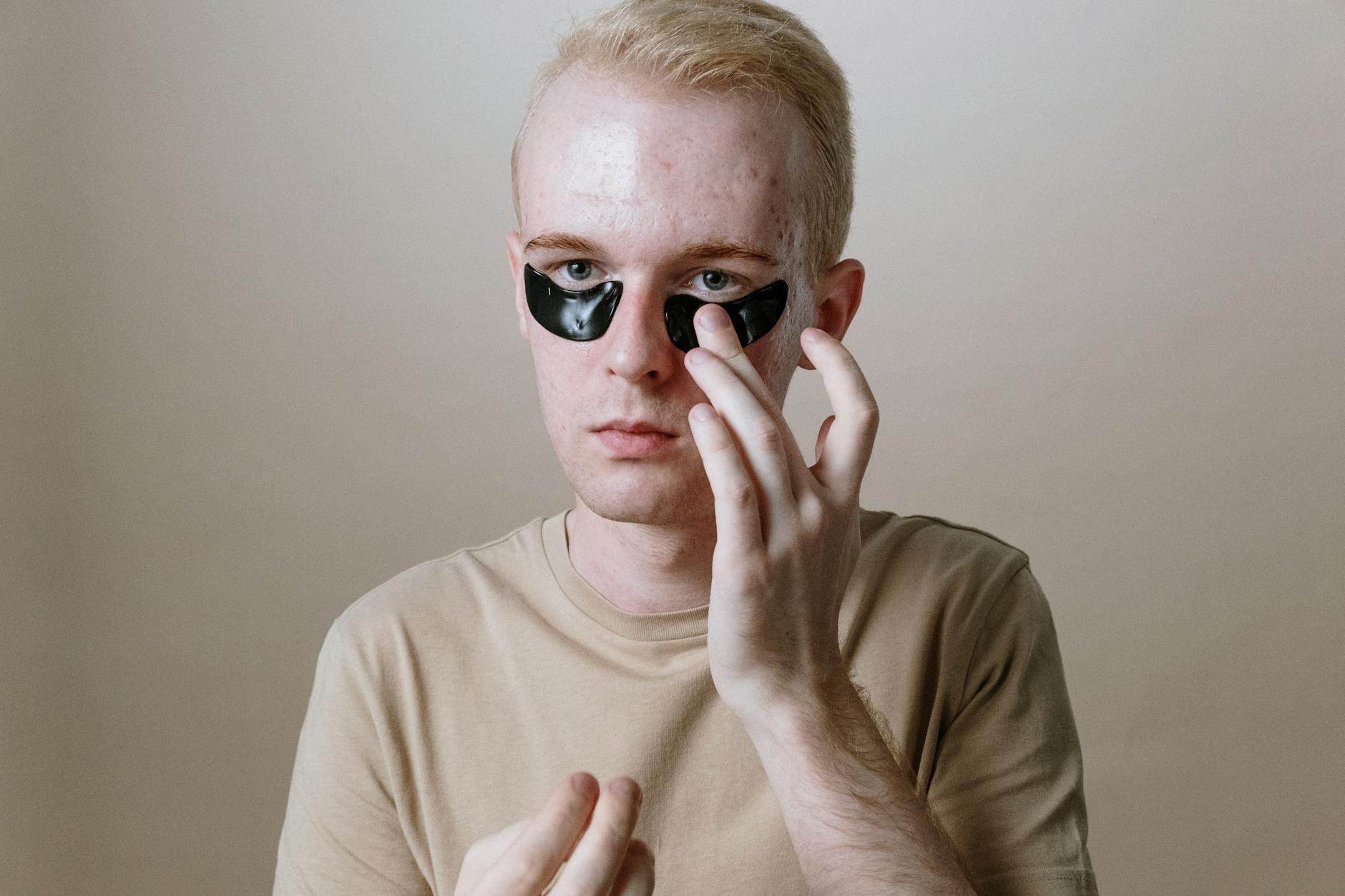
Retinoids are among the most effective treatments for acne, but they require patience. According to feedback from estheticians treating acne patients, at least 19% report that retinoids can take a full 12 weeks before showing noticeable results. This timeline isn’t a sign that the treatment is failing—it reflects how retinoids actually work at the cellular level. When a patient starts retinoid treatment, they’re initiating a process that gradually increases cell turnover, normalizes sebum production, and reduces inflammation, changes that don’t happen overnight. Consider a 24-year-old with persistent breakouts who begins using a 0.025% retinol cream. By week 3, they might experience slight redness and peeling as their skin adjusts.
By week 6, their texture begins to improve subtly. Around week 10, the acne lesions start clearing more noticeably, and by week 12, the improvement becomes undeniable. This patient’s experience aligns with what many estheticians observe: the waiting period is real, and managing client expectations about this timeline is crucial. The reason for this extended timeline relates to retinoid’s mechanism of action. Retinoids work by binding to retinoid receptors in skin cells, which then activates genes responsible for cell growth and differentiation. This process doesn’t happen immediately, and sustained use is necessary to see cumulative benefits. Retinoids also cause an adjustment period—sometimes called “retinization”—during which the skin may appear worse before it improves.
Table of Contents
- Why Do Retinoids Take 12 Weeks to Improve Acne?
- The Retinization Period and What to Expect
- Timeline Variations Among Different Retinoid Types
- How to Stay Consistent During the 12-Week Period
- Purging and Why the Skin Often Gets Worse First
- Retinoids for Different Acne Types
- Combination Therapy and Accelerating Results
- Conclusion
- Frequently Asked Questions
Why Do Retinoids Take 12 Weeks to Improve Acne?
Retinoids function by accelerating the natural process of cell turnover. Normal skin replaces its outer layer roughly every 28 days, but acne-prone skin often has irregular cell shedding, leading to clogged pores. Retinoids speed up this process and normalize it, which means the skin must cycle through multiple generations of cells before acne-prone patterns truly shift. During the first 2-4 weeks, you’re essentially establishing that new, faster cell turnover. Weeks 4-8 are when purging often occurs—existing comedones come to the surface as impurities are pushed out more quickly. Only after week 8 do most people see a meaningful reduction in new breakouts.
The 12-week timeline also accounts for the skin’s inflammatory response to settling down. Acne is fundamentally an inflammatory condition, and while retinoids address the underlying causes, that inflammation doesn’t disappear immediately. Think of it like treating an infection: even after antibiotics kill the bacteria, your body still needs time to reduce inflammation and heal tissues. For comparison, oral antibiotics for acne also typically require 6-8 weeks to show full benefit, and combination therapies (like antibiotics plus topical retinoids) often take 10-12 weeks. Research and esthetician consensus confirm that consistency matters more than intensity during this phase. Many people abandon retinoids after 4-6 weeks, right before they would see real improvement, because they mistakenly interpret purging or initial dryness as a sign the treatment isn’t working.
The Retinization Period and What to Expect
The adjustment phase, known as retinization, can be uncomfortable. During weeks 1-4, most users experience redness, peeling, dryness, and sometimes increased sensitivity to sunlight and other products. Some people also experience what’s called a “retinoid uglies” phase—a temporary worsening of acne as dead skin cells and trapped debris surface. This is not acne getting worse in the long term; it’s the retinoid doing its job of expelling impurities. A critical limitation here is that retinization doesn’t affect everyone equally, and it’s worsened by starting too strong or too fast.
Beginning with a low concentration (0.025% retinol or 0.05% tretinoin) and using it just 2-3 times per week allows the skin to adapt without overwhelming it. The temptation to use more is strong, especially if someone is impatient for results, but increasing frequency or strength during the adjustment phase typically extends the uncomfortable period and can cause significant irritation. By week 6-8, if the product is being used correctly, retinization should be subsiding. Redness and peeling should be minimal, and the skin should feel less reactive. This is when people often feel more confident increasing frequency or concentration slightly—but only if the previous adjustment was smooth.
Timeline Variations Among Different Retinoid Types
Different retinoid formulations have different onset timelines, though all operate within roughly the same window. Over-the-counter retinol takes longer than prescription tretinoin because the skin must first convert retinol to retinaldehyde, then to retinoic acid (the active form). This means retinol might need 14-16 weeks for full results, while tretinoin—which is already retinoic acid—might show meaningful improvement by week 10-12. Retinaldehyde (found in some professional serums and creams) occupies the middle ground, requiring less conversion than retinol but still taking 12-14 weeks.
For someone using a lower-strength OTC retinol, the 12-week estimate might be optimistic; estheticians often find that consistent improvement takes 16+ weeks. For someone using prescription tretinoin at appropriate concentrations, results might be visible by week 8-10. The dose and frequency also shift the timeline. Using tretinoin 0.025% three times weekly is different from using it nightly—the latter will show faster initial results but might require more careful monitoring for irritation. A patient using it nightly might see noticeable improvement by week 8, while someone using it twice weekly might need the full 12 weeks.

How to Stay Consistent During the 12-Week Period
Staying consistent with retinoids is harder than starting them, primarily because the adjustment phase is genuinely uncomfortable. One strategy estheticians recommend is linking retinoid application to a consistent nightly routine—same time, same cleanser, same moisturizer. This removes the decision-making and makes it a habit rather than something to debate. Another is setting a 12-week calendar reminder or photo timeline to document subtle improvements, which keeps motivation up when the changes feel slow. A practical tradeoff exists between speed and comfort.
Aggressive use (high concentration, nightly application from day one) might cut the timeline down to 8-10 weeks but increases the risk of severe irritation, barrier damage, or abandonment due to discomfort. Slow, conservative use (0.025% retinol, twice weekly) extends the timeline to 14-16 weeks but almost guarantees a smoother journey and better long-term results. Most estheticians recommend the conservative approach, especially for people with sensitive skin or a history of reactive skin. Another consistency factor is sunscreen. Retinoids increase photosensitivity, and sun exposure can undermine results and trigger inflammation, potentially extending the timeline. Missing sunscreen on a few days might not seem significant, but over 12 weeks, inconsistent UV protection can slow visible improvement and increase side effects.
Purging and Why the Skin Often Gets Worse First
Retinoid-induced purging is one of the most misunderstood aspects of treatment. Around week 2-4, many people experience a noticeable increase in breakouts, which feels like the product is making acne worse. In reality, the retinoid is accelerating the maturation of comedones that were already developing below the skin’s surface. Comedones that would have taken 6-8 weeks to surface naturally are now surfacing in 2-4 weeks. This is temporary and generally stops by week 6-8 as existing comedones are cleared.
A critical warning: purging should involve small, healing comedones, not large, painful cystic lesions appearing where none existed before. If retinoid use triggers cystic acne in new areas, the concentration or frequency is likely too high, and adjustment is needed. This is one of the most common reasons people discontinue retinoids prematurely—they interpret purging as failure and stop using the product, just as it’s actually working. Estheticians often manage client expectations by explicitly discussing purging during the first consultation. When someone knows that increased breakouts in weeks 2-4 are expected and temporary, they’re far more likely to continue. Without this warning, they often assume the retinoid isn’t right for them and switch to something less effective.
Retinoids for Different Acne Types
Retinoids are exceptionally effective for comedonal acne (blackheads and whiteheads) and moderately inflammatory acne, but their timeline can vary based on acne phenotype. Someone with primarily comedonal acne might see improvements by week 8-10, as retinoids directly address abnormal keratinization.
Someone with predominantly inflammatory or cystic acne might need the full 12-14 weeks, as the retinoid must work through multiple pathways (reducing sebum, anti-inflammatory effects, and antimicrobial properties). For hormonal acne (often seen in women), retinoids address some contributing factors but not the hormonal root cause. These patients might see 40-60% improvement over 12 weeks but may need additional treatment like hormonal contraceptives or spironolactone for complete clear skin.
Combination Therapy and Accelerating Results
While retinoids work well alone, combining them with other treatments can sometimes enhance or speed results without extending the uncomfortable adjustment period. Pairing a retinoid with benzoyl peroxide (using them on alternate evenings or one in AM, one in PM) can accelerate clearance of existing acne while the retinoid works on long-term prevention. A retinoid plus azelaic acid is another combination that works well, particularly for inflammatory acne and rosacea.
The 12-week timeline assumes retinoid monotherapy. With combination therapy, meaningful improvement might be visible by week 8-10, though the full potential still requires the 12-week commitment. However, combination therapy also increases irritation risk, so it requires careful introduction and monitoring. Many estheticians avoid recommending combinations until the client has successfully completed 8-12 weeks of retinoid adjustment.
Conclusion
The 19% statistic from estheticians reflects a real, physiological timeline for retinoid treatment. Skin doesn’t heal acne pathways overnight, and the 12-week window is generally the minimum for meaningful, lasting improvement. The key to success is understanding this timeline before starting, committing to consistency despite the discomfort of the adjustment phase, and resisting the urge to jump to higher strengths or frequencies too quickly.
Your retinoid journey will likely include an uncomfortable adjustment period, a purging phase, and then gradual, measurable improvement. By week 12, if you’ve been consistent with appropriate concentrations and frequency, you should see substantial improvement in both active acne and the overall clarity and texture of your skin. The patience required is difficult, but it’s not wasted time—it’s an investment in skin health that compounds over months and years of continued use.
Frequently Asked Questions
What if I don’t see results after 12 weeks of retinoid use?
By 12 weeks, you should see meaningful improvement if using an appropriate concentration consistently. If not, the issue is often concentration (too low), frequency (too infrequent), or adherence (skipping applications). It’s also worth confirming the retinoid is actually working—some people’s skin doesn’t respond well to certain formulations or requires a different retinoid type (tretinoin instead of retinol, for example). Consult with a dermatologist or esthetician to adjust your approach.
Can I speed up the 12-week timeline by using higher concentrations?
Higher concentrations don’t reliably shorten the timeline; they typically increase irritation and barrier damage without accelerating improvement. This often backfires, causing redness and sensitivity that force you to reduce frequency or stop using the product entirely, actually extending your journey to clear skin.
Is the retinization period always that uncomfortable?
No—people with resilient skin or those starting with very low concentrations (like 0.025% retinol) might experience mild redness and peeling for just 2-3 weeks. People with sensitive skin or those starting with higher concentrations might deal with retinization for 6-8 weeks. Starting low and going slow significantly reduces discomfort.
Do I need to use retinoids forever to keep the results?
Retinoids provide lasting benefits for as long as you use them, but acne can return if you stop. Many people use retinoids indefinitely as part of their acne maintenance routine. The good news is that after the initial 12-week adjustment, maintenance use is simple—usually just a few times per week to keep acne suppressed.
Can I use retinoids with other acne treatments?
Yes, but combinations require careful introduction to avoid over-irritation. Benzoyl peroxide, salicylic acid, and azelaic acid are compatible with retinoids, though they should typically be introduced gradually and used on alternate days rather than simultaneously. Avoid combining retinoids with vitamin C serums or high-dose acids initially.
What’s the difference between the timeline for tretinoin and OTC retinol?
Tretinoin (prescription) is already in its active form, so results often appear by week 8-10. Retinol (OTC) must be converted by the skin to retinoic acid, which takes longer—expect 14-16 weeks. The conversion also means retinol causes less irritation initially but delivers results more slowly.
You Might Also Like
- At Least 44% of Patients Taking Oral Antibiotics for Acne Don’t Realize That Retinoids Can Take 12 Weeks Before Showing Results
- At Least 20% of Adults With Persistent Acne Report That Retinoids Can Take 12 Weeks Before Showing Results
- At Least 70% of Patients With Body Acne Say That Combining Multiple Active Ingredients Can Destroy the Skin Barrier