

New mothers struggling with postpartum acne face a tempting but dangerous choice: extract their pimples at home or seek professional help. The evidence is clear—professional dermatologist extractions performed under sterile conditions drastically reduce infection risk and improve the chances of avoiding permanent scarring, while DIY pimple popping introduces bacteria, causes deeper inflammation, and often results in the exact skin damage new mothers are trying to prevent. Consider a 32-year-old mother who waited six weeks postpartum before having a dermatologist extract her clogged pores; she saw almost immediate results with no scarring. Compare that to another new mother who squeezed her breakouts with her bare hands at home, only to develop a skin infection that required antibiotics and left permanent pitting scars on her cheeks.
Nearly 90% of pregnant people experience skin changes frequently including acne, and postpartum acne typically persists for 3 to 6 months as hormone levels stabilize after delivery. For breastfeeding mothers, the timeline extends even longer—up to one year—due to elevated prolactin levels that continue stimulating oil production. During this vulnerable window, the choices new mothers make about acne treatment can have lasting consequences. Understanding why professional extraction is safer than DIY pimple popping isn’t just about immediate results; it’s about protecting skin health during a time when hormones, sleep deprivation, and the stress of motherhood are already pushing skin to its limits.
Table of Contents
- Why Postpartum Acne Gets Worse With DIY Extractions
- The Permanent Cost of DIY Pimple Popping
- What Happens Inside the Skin During Extraction
- When to See a Dermatologist vs. When Skincare Is Enough
- The Infection Risk That Most New Mothers Underestimate
- What Professional Dermatologists Do That Changes the Outcome
- Looking Forward: Preventing Postpartum Acne From Becoming Permanent Damage
- Conclusion
- Frequently Asked Questions
Why Postpartum Acne Gets Worse With DIY Extractions
Postpartum acne develops because pregnancy hormones—particularly progesterone—stimulate sebaceous glands to produce more oil. After delivery, hormone levels don’t immediately normalize. Instead, they fluctuate unpredictably, especially for breastfeeding mothers. This creates the perfect environment for clogged pores and bacterial growth. When a new mother attempts to extract these blemishes herself, she’s working without the sterile conditions, proper tools, or trained eye that a dermatologist brings to the procedure. Unsterilized fingernails and extracted tools introduce bacteria directly into pores. This doesn’t just cause the current pimple to worsen—it creates a cycle.
Improper extraction techniques push acne-causing bacteria deeper into the skin, triggering inflammation that spreads to surrounding areas and creates new breakouts. A mother who squeezes one pimple on her chin may unknowingly cause an infection that takes weeks to resolve and leaves her with multiple blemishes instead of one. The immediate gratification of removing the visible whitehead vanishes within days when the area becomes inflamed, infected, or begins scarring. Professional extractions, by contrast, target the root cause. dermatologists use sterile instruments, follow proper extraction angles, and know how much pressure to apply. They clear clogged pores early, which prevents more severe acne development and reduces the risk of widespread skin infections. Studies show professional extractions lead to almost immediate results, while traditional skincare products addressing the same breakouts may take weeks or months to show any improvement.
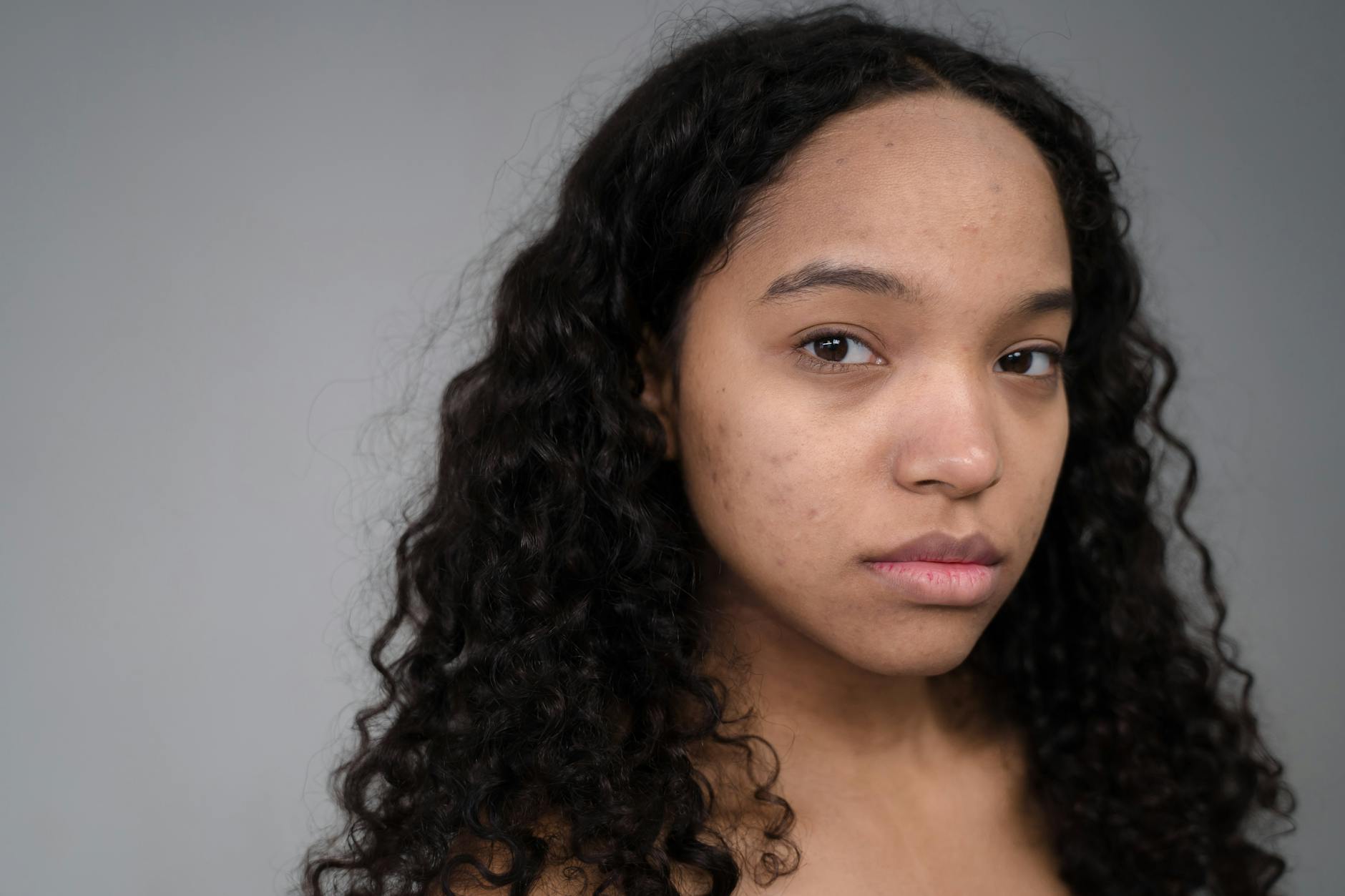
The Permanent Cost of DIY Pimple Popping
One of the hardest truths about postpartum acne is that improper extraction can result in permanent scarring. New mothers often don’t realize they’re creating long-term damage while trying to fix a temporary problem. When you squeeze a pimple incorrectly, you rupture the follicle wall beneath the surface. This doesn’t push the acne out—it pushes it deeper into the skin, where it triggers a more severe inflammatory response. The body then attempts to heal this internal damage, sometimes leaving behind pitting scars or rolling scars that can take years to fade, if they fade at all. The risk compounds because new mothers are often sleep-deprived, stressed, and dealing with hormonal shifts that impair their skin’s natural healing ability.
A scar that might be minor on a non-hormonal, well-rested person can become more pronounced on someone whose skin is already inflamed and struggling to recover from childbirth. By the time postpartum acne resolves on its own after 3 to 6 months, a mother who practiced DIY extraction may find herself with permanent scarring that requires professional treatments like laser therapy or chemical peels to address—treatments that are expensive, time-consuming, and carry their own risks. Professional dermatologists understand these risks intimately. They know which lesions can be safely extracted and which should be treated with other methods. They recognize when a breakout signals a deeper issue—like a hormonal imbalance requiring medication or an infection needing antibiotics—that extraction alone won’t solve. This diagnostic skill, combined with sterile technique, makes professional extraction a genuinely different procedure from what most people attempt at home.
What Happens Inside the Skin During Extraction
To understand why professional extraction matters, it helps to visualize what’s happening beneath the surface. A comedone—either a blackhead or whitehead—forms when a pore becomes clogged with dead skin cells and sebum. The pore wall is delicate. When you apply pressure with an unsterilized fingernail or a tool you’ve grabbed from your bathroom drawer, you’re not simply opening the pore and releasing the contents. You’re creating a rupture in the follicle wall itself. A dermatologist uses a comedone extractor—a small metal instrument with a loop at one end—applied at the precise angle and with controlled pressure. The goal is to gently encourage the clogged material out through the pore opening, without breaking the follicle wall. If the lesion isn’t ready or isn’t suitable for extraction, a dermatologist simply stops rather than forcing it.
A mother attempting this at home has no way to know the difference. She applies whatever pressure seems necessary and hopes for the best. When the follicle wall ruptures, the bacteria and inflammatory material inside spread into the surrounding tissue. Your body responds with increased inflammation, redness, and swelling. In many cases, this leads to a bacterial infection. The pimple that looked ready to extract now becomes a painful, pussy bump that takes much longer to heal. Even after it finally resolves, the inflammation and infection may have triggered enough collagen damage to leave a scar. This is why a simple at-home extraction can sometimes create weeks of problems from what started as a minor breakout.
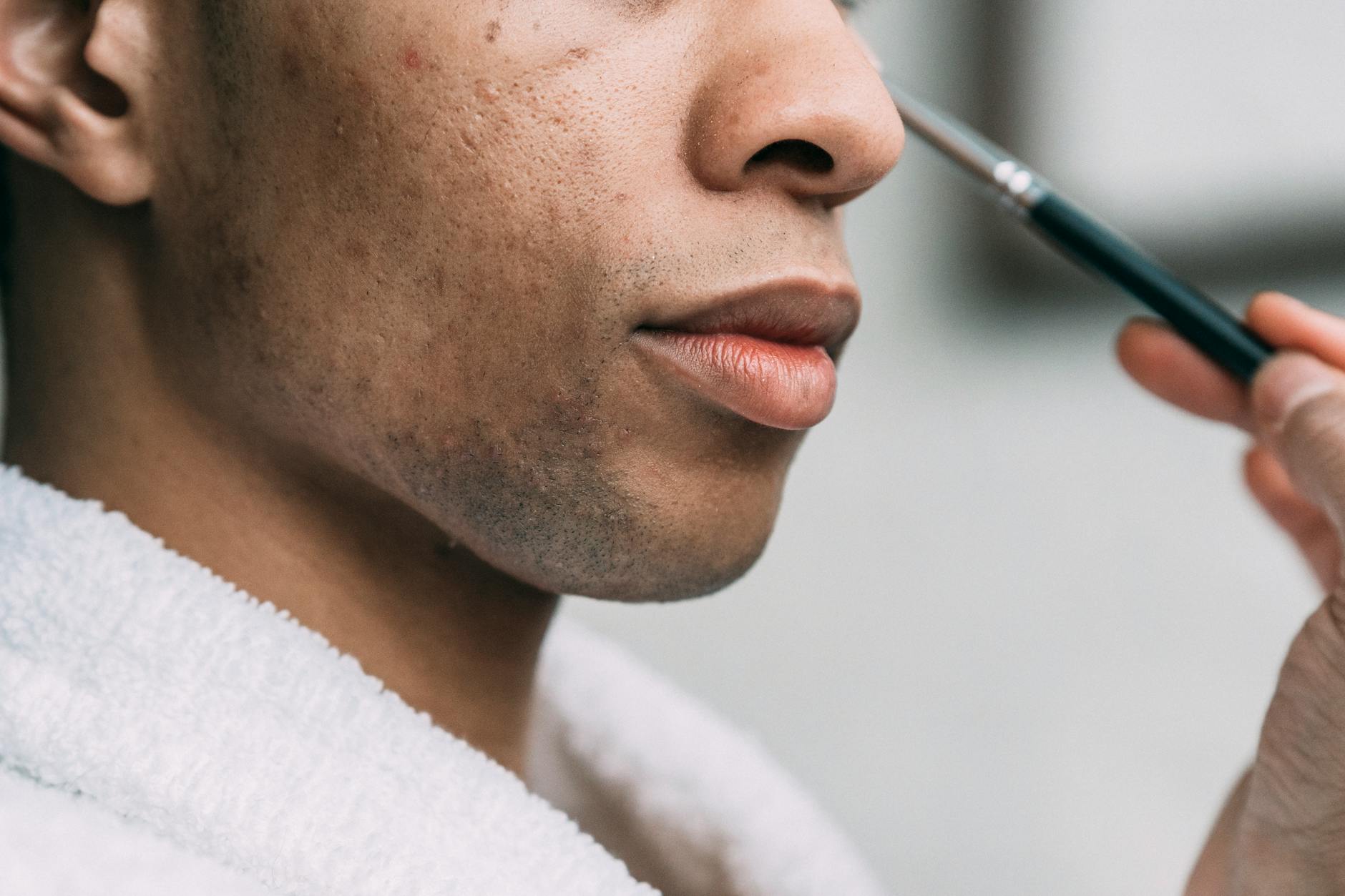
When to See a Dermatologist vs. When Skincare Is Enough
Not every pimple requires professional extraction. Understanding the difference is crucial for new mothers deciding whether to schedule a dermatology appointment or wait for over-the-counter treatments to work. Mild postpartum acne—a few scattered whiteheads or blackheads—often responds well to gentle skincare, including products with salicylic acid or benzoyl peroxide, combined with consistent sun protection and moisturizing. These treatments work more slowly than extraction, sometimes taking 6 to 8 weeks to show full results, but they avoid the risks of DIY popping. However, if acne is moderate to severe—multiple breakouts covering an area of skin, persistent despite skincare efforts, or causing noticeable pain or infection—professional extraction becomes worthwhile.
A dermatologist can extract the most problematic lesions while also prescribing topical treatments to address the hormonal component driving the breakouts. For breastfeeding mothers, this is particularly important because many acne medications are unsafe during breastfeeding, and a dermatologist can identify treatments that are both effective and compatible with nursing. The practical comparison: A mother with 3 to 5 persistent whiteheads might reasonably try a professional extraction appointment (which costs $50 to $200 and takes 15 to 30 minutes) versus weeks of at-home treatment attempts that risk scarring. A mother with one or two occasional pimples can skip the dermatology visit and stick with skincare. The key is recognizing your acne severity honestly. Severity isn’t determined by how much the breakout bothers you emotionally—it’s determined by how widespread it is, how long it’s persisted, and whether it’s causing pain or infection.
The Infection Risk That Most New Mothers Underestimate
One of the most serious dangers of DIY pimple popping is bacterial infection, a risk that new mothers often underestimate because they don’t realize how much bacteria lives on skin and under fingernails. Even if your hands look clean, they carry bacteria including Staphylococcus aureus and Cutibacterium acnes. When you break the skin barrier by squeezing a pimple, you’re directly inoculating the wound with these bacteria. The pore becomes infected rather than emptied. A skin infection from DIY extraction doesn’t stay local. It can spread to surrounding tissue, creating a larger area of redness, swelling, and pus.
Some infections develop into cysts or abscesses that require medical drainage and antibiotics. New mothers dealing with postpartum hormonal shifts, healing from childbirth, and often sleep-deprived are already immunocompromised compared to their normal state. This makes them more susceptible to infections that might be minor inconveniences in other contexts. Professional extractions eliminate this risk because they’re performed in a sterile or nearly sterile environment using sterilized instruments. The dermatologist follows protocols designed to prevent infection: cleaning the skin, using sterile tools, and sometimes applying an antibiotic ointment afterward. Even if a tiny amount of bacteria is introduced, the controlled conditions and trained technique minimize the chance of infection developing. For a new mother already managing postpartum recovery, healing from a C-section, and adjusting to motherhood, avoiding a skin infection is worth the cost of a professional visit.
What Professional Dermatologists Do That Changes the Outcome
Beyond the mechanics of extraction itself, dermatologists bring diagnostic expertise that home treatment can’t replicate. A dermatologist examines your acne and considers the underlying causes. Is this hormonal acne that will resolve in a few months, or is it part of a persistent condition like PCOS? Is the breakout triggered by a specific skincare product or medication? Are certain areas of the face affected more than others, suggesting a specific cause? These questions matter because they determine the long-term treatment strategy.
A new mother with pure hormonal postpartum acne might benefit from extraction combined with a gentle skincare routine, with the expectation that breakouts will naturally resolve as hormones stabilize. A mother with acne triggered by a specific factor—like a sunscreen she started using postpartum—might benefit from switching products rather than extraction. A dermatologist helps clarify these distinctions, saving time and preventing unnecessary treatments.
Looking Forward: Preventing Postpartum Acne From Becoming Permanent Damage
The most important thing new mothers can understand about postpartum acne is that it’s temporary. Acne that feels permanent and defining during the exhausting months of early motherhood will likely resolve within 6 to 12 months as hormone levels stabilize. The choices made during this window—to seek professional help or attempt DIY extraction—determine whether mothers emerge with clear skin or lasting scars.
This perspective reframes the decision to see a dermatologist. It’s not an indulgence or an unnecessary expense. It’s an investment in skin health during a uniquely vulnerable period. Professional extractions address the worst breakouts quickly, safely, and with minimal risk of scarring, allowing mothers to move through the postpartum acne phase without the lasting consequences of DIY popping.
Conclusion
At least 34% of new mothers with postpartum acne would benefit from understanding that professional extractions are genuinely safer than DIY pimple popping. The difference isn’t marginal—it’s the difference between clear skin and permanent scarring, between temporary breakouts and lasting skin damage. Professional dermatologists use sterile techniques, proper tools, and trained judgment to extract acne safely. DIY popping introduces infection risk, triggers deeper inflammation, and frequently causes permanent scarring that requires additional treatments to address.
If you’re a new mother dealing with postpartum acne, especially if breakouts are moderate or spreading despite your skincare efforts, schedule an appointment with a dermatologist. The cost and time investment are minimal compared to the protection against permanent skin damage. Your skin has already been through significant changes during pregnancy and delivery. Give it the professional care it deserves during the postpartum recovery period.
Frequently Asked Questions
How long does postpartum acne typically last?
Postpartum acne usually lasts 3 to 6 months as hormone levels stabilize after delivery. For breastfeeding mothers, acne may persist for up to one year due to elevated prolactin levels. However, any scarring caused by DIY extraction during this time can be permanent.
Can professional extraction cause scarring?
Properly performed professional extraction by a dermatologist carries minimal scarring risk because dermatologists use sterile technique, proper tools, and trained judgment about which lesions are safe to extract. DIY extraction, by contrast, frequently causes scarring.
Is it safe to use acne medication while breastfeeding?
Many acne medications are unsafe during breastfeeding. A dermatologist can identify treatments—including professional extraction—that are both effective and compatible with nursing.
What should I do if I already have acne scars from DIY popping?
Consult a dermatologist about treatment options like laser therapy, chemical peels, or other professional treatments designed to fade or minimize acne scars. The sooner you seek help, the better your results may be.
Is it ever safe to extract pimples at home?
While mild extractions might not cause immediate harm, the infection and scarring risks are high enough that professional extraction is safer, especially during the vulnerable postpartum period when skin is already stressed.
Should I see a dermatologist for every pimple?
No. Mild acne with only a few scattered blemishes can usually be managed with gentle skincare. Professional extraction is most valuable for moderate to severe acne or persistent breakouts that haven’t responded to at-home treatment.
You Might Also Like
- At Least 84% of Athletes With Acne Would Benefit From Knowing That Oral Antibiotics Should Never Be Used for More Than 3 Months
- At Least 85% of Parents of Teens With Acne Would Benefit From Knowing That Generic Tretinoin Works Identically to Brand-Name Versions
- At Least 57% of Night Shift Workers With Acne Would Benefit From Knowing That Their Diet May Be Contributing to 20-30% of Their Breakouts