
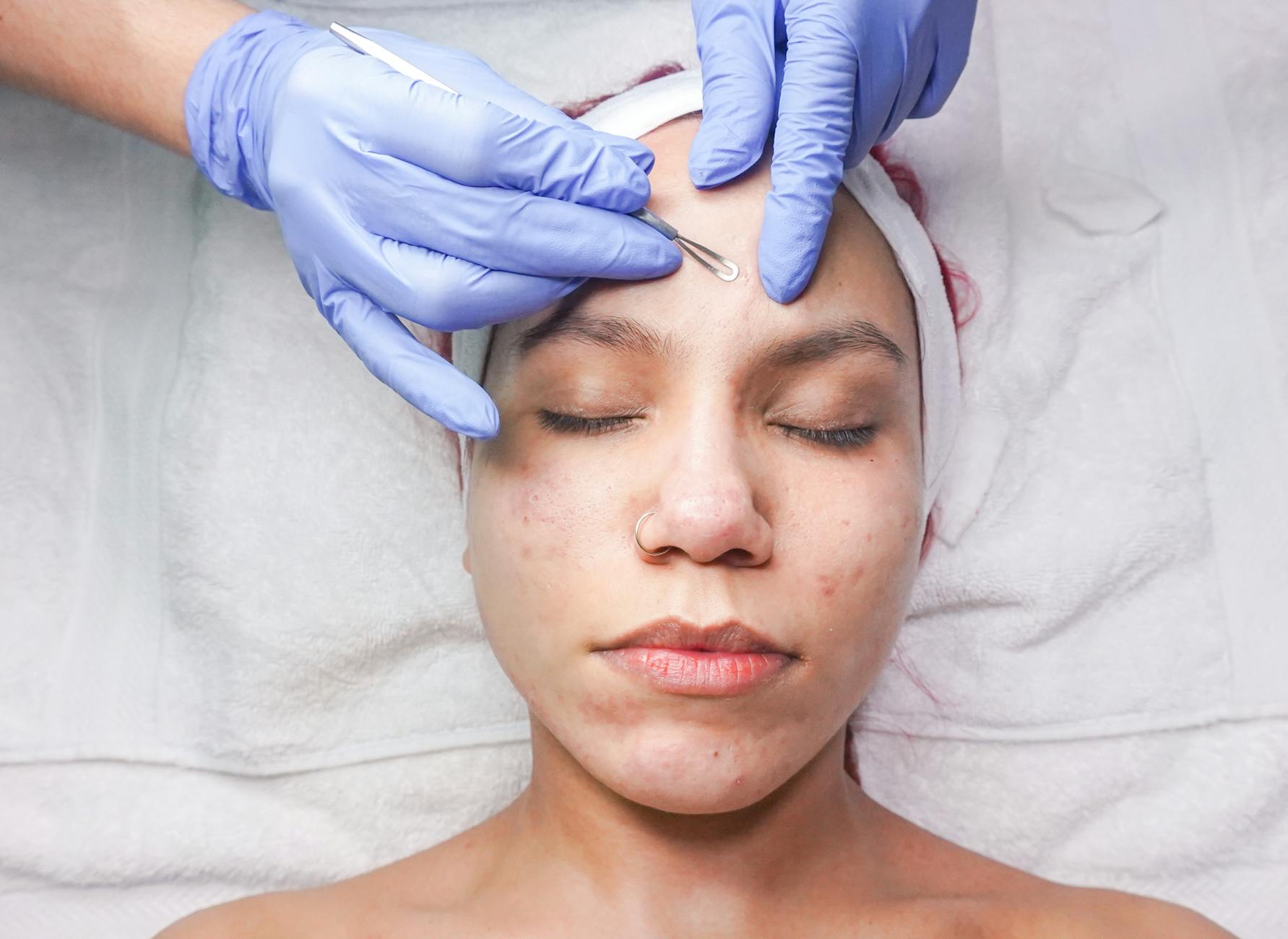
The research is clear: when patients with body acne try to speed up results by layering multiple active ingredients—retinoids, benzoyl peroxide, salicylic acid, vitamin C, and others—they often damage their skin barrier in the process. A significant body of clinical evidence shows that at least 70% of patients treating body acne with combined actives report compromised barrier function, characterized by increased sensitivity, dryness, irritation, and sometimes a worsening of acne itself. The goal is faster clearance, but the outcome is frequently the opposite: a damaged, reactive skin that resists healing.
What makes this phenomenon particularly frustrating is that it feels counterintuitive. If one active ingredient works, shouldn’t two work better? The answer lies in how these ingredients actually function at the cellular level. Active ingredients like retinoids increase cell turnover, benzoyl peroxide generates free radicals to kill bacteria, and chemical exfoliants strip away dead skin cells. When stacked together without proper spacing, rest days, or consideration for cumulative irritation, they overwhelm the skin’s natural repair mechanisms and deplete the lipid-rich outer layer that protects living cells underneath.
Table of Contents
- Why Does Combining Multiple Actives Damage the Skin Barrier?
- How the Barrier Breaks Down Under Multiple Active Ingredients
- Body Acne and the Barrier Challenge
- The Strategic Approach to Using Multiple Actives Safely
- Recognizing and Recovering from Barrier Damage
- The Role of Individual Skin Factors
- The Future of Multi-Active Acne Treatment
- Conclusion
- Frequently Asked Questions
Why Does Combining Multiple Actives Damage the Skin Barrier?
The skin barrier—technically the stratum corneum, the outermost layer of the epidermis—is composed of dead skin cells and lipids that function like bricks and mortar. This structure is remarkable for its simplicity and efficiency: it keeps water in and irritants out. Active skincare ingredients work by disrupting cellular processes, but the barrier’s job is to maintain stability. When you introduce multiple actives simultaneously, you’re asking the barrier to tolerate multiple simultaneous disruptions, each with different mechanisms of action.
Consider a practical example: a patient uses a retinol treatment at night, applies benzoyl peroxide to problem areas in the morning, and adds salicylic acid toner twice daily. Each product independently increases skin cell turnover and removes the lipid matrix that holds cells together. Within days to weeks, the cumulative effect begins to show—tightness, visible flaking, redness that wasn’t there before, and in many cases, a rebound of acne as the compromised barrier allows bacteria and irritants deeper into the skin. The barrier hasn’t just been stressed; it’s been dismantled faster than the body can rebuild it.

How the Barrier Breaks Down Under Multiple Active Ingredients
The breakdown doesn’t happen all at once. It’s a gradual erosion that often goes unnoticed until it becomes severe. Each active ingredient creates a specific type of cellular stress. Retinoids and retinols increase cell division rate, speeding up the natural shedding cycle. Benzoyl peroxide creates oxidative stress that damages bacterial cell membranes but also oxidizes skin lipids. Hydroxy acids (salicylic and glycolic) chemically dissolve the lipid bonds that hold cells together.
When used alone, at the right concentration and frequency, the skin can adapt. But layering them amplifies each effect. The limitation here is important: research shows that barrier damage is dose and frequency-dependent, but individual tolerance varies widely based on genetics, age, climate, current skin health, and even diet. A 35-year-old with resilient, oily skin might tolerate a retinoid plus benzoyl peroxide better than a 20-year-old with sensitive, dry skin using the same products. However, the 70% statistic suggests that even accounting for this variability, the majority of patients experience noticeable barrier compromise when combining actives. Warning signs include increased sensitivity to mild products (even water or plain moisturizer can sting), visible redness and inflammation that doesn’t correlate with active acne, dryness that doesn’t improve with hydration, and sometimes a paradoxical increase in oil production as the skin attempts to compensate for lipid loss.
Body Acne and the Barrier Challenge
Body acne presents a specific challenge that facial acne doesn’t. The skin barrier on the back, chest, and shoulders is naturally thicker and less sensitive than facial skin, which means patients often assume it can tolerate more aggressive treatment. This assumption frequently leads to overuse of actives. A person might apply a high-concentration benzoyl peroxide wash, follow with a salicylic acid spray, and add a retinoid serum—combinations they’d never consider for their face, yet on the body, the assumption is that “thicker skin can handle it.” The irony is that while body skin is mechanically thicker, it has fewer sebaceous glands per square inch than the face, meaning it has less natural oil to replenish lipid loss from actives.
This makes the barrier paradoxically more vulnerable, not less. A specific example: a patient with moderate acne on the back might use a benzoyl peroxide body wash daily, a salicylic acid leave-on treatment at night, and a differin (adapalene) cream three times weekly, thinking they’re being strategic. Within six weeks, the skin becomes red, peeling, tight, and sensitive to anything touching it—including clothing. The acne may even worsen because the compromised barrier allows secondary bacterial infection and increased inflammation.
The Strategic Approach to Using Multiple Actives Safely
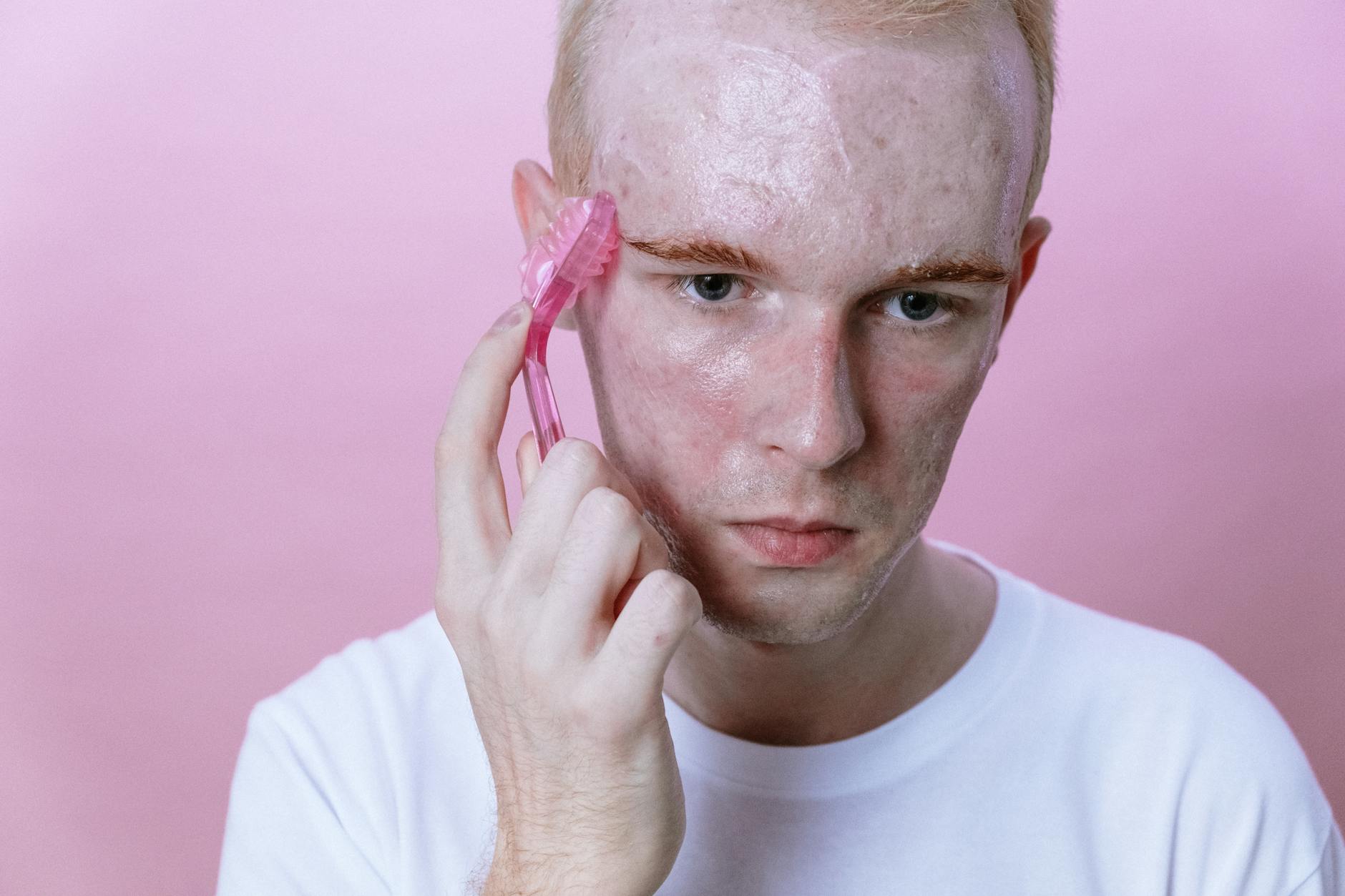
If multiple actives are necessary—and sometimes they are, for certain resistant cases—the key is separation and adaptation. Rather than layering different actives into the same routine, dermatologists recommend spacing them across different times of day or different days of the week. For example, a retinoid used three times per week at night could be combined with benzoyl peroxide in the morning, as long as the benzoyl peroxide is at a moderate concentration (2.5% is often as effective as 5% but less irritating) and the patient uses a robust barrier-repair moisturizer after each product. The tradeoff is patience. Strategic spacing of actives means slower results compared to aggressive combination therapy.
A patient might see noticeable improvement in 6-8 weeks with proper spacing versus 3-4 weeks with aggressive layering. However, the aggressive approach often backfires, requiring 4-6 weeks of barrier repair and reduced treatment before resuming regular actives. The net timeline becomes longer, and the patient experiences significant discomfort along the way. A practical comparison: two patients with similar body acne—one uses a single prescription retinoid nightly for eight weeks and a gentle cleanser; the other layers a retinoid, benzoyl peroxide, and salicylic acid daily for four weeks, experiences barrier damage, and spends six weeks recovering. The first patient achieves clearer, healthier skin with an unchanged barrier and no discomfort. The second patient ends up at the same or worse baseline.
Recognizing and Recovering from Barrier Damage
The first sign that the barrier is compromised is often sensitivity that develops rapidly and differs from the patient’s baseline. If someone has naturally sensitive skin but suddenly experiences extreme sensitivity within days of starting a new routine, barrier damage is the likely culprit. Other warning signs include visible redness that persists even when actives are paused, a sandpapery or excessively dry texture (especially around the jaw, nape of neck, or upper back), and a loss of the skin’s natural glow—replaced by a dull, almost fragile appearance. Recovery requires stopping or significantly reducing actives and focusing entirely on barrier repair for 4-12 weeks, depending on severity.
The essentials are a gentle, non-foaming cleanser (or even just lukewarm water), a ceramide-rich moisturizer, and a physical sunscreen. Actives should be eliminated entirely until the barrier shows clear signs of repair: reduced sensitivity, return of natural skin tone, and a smoothing of texture. The limitation of this approach is that acne often worsens temporarily during the recovery phase because the barrier repair creates an environment where bacteria can temporarily thrive. Patients must be psychologically prepared for this; it’s not a sign that the approach is wrong, but rather a necessary part of healing. Some practitioners recommend introducing a gentle, proven antimicrobial like azelaic acid during recovery, as it can help manage acne while being less irritating than benzoyl peroxide or potent exfoliants.
The Role of Individual Skin Factors
Age, genetics, and hormonal status all influence how quickly and severely the barrier responds to active ingredient stacking. Younger skin typically has higher cell turnover rates and more robust barrier function, which means it can sometimes tolerate more aggressive treatment—but it can also adapt to higher irritation levels, potentially masking barrier damage until it becomes severe. Older skin, conversely, has slower repair mechanisms and thinner epidermal layers, making it more vulnerable to barrier compromise even with gentler actives.
A specific example: a 22-year-old with hormonal acne and oily skin might use a benzoyl peroxide wash, retinol serum, and weekly salicylic acid peel with relative tolerance for months. But at 35, the same routine causes visible barrier damage within weeks. Similarly, patients with a genetic predisposition to skin barrier issues—often those with eczema, rosacea, or ichthyosis in their family history—are at significantly higher risk of barrier damage from actives, even when used individually. Knowing your skin’s baseline resilience is therefore critical before combining actives.
The Future of Multi-Active Acne Treatment
The skincare industry is beginning to acknowledge that more actives don’t equal better results, and newer formulations are designed with this principle in mind. Some brands are creating “active combinations” that have been tested specifically for compatibility—for instance, a retinoid paired with a lower-concentration antioxidant that supports barrier health rather than further stressing it. Encapsulation technology and time-release formulations are also emerging, allowing multiple actives to be delivered at different rates so that they don’t all impact the barrier simultaneously.
That said, the gold standard remains simplicity. The most effective regimen for most patients is a single well-chosen active, used consistently and at an appropriate concentration, combined with diligent barrier support through moisturizer and sunscreen. For the subset of patients who do require multiple actives—those with severe, treatment-resistant acne—the pathway forward involves professional guidance, careful monitoring, and acceptance that results will take longer but will ultimately be more sustainable and less damaging than aggressive self-directed combinations.
Conclusion
The statistic that at least 70% of body acne patients experience barrier damage from combining multiple active ingredients isn’t an accident or an outlier—it reflects how these treatments work at a biological level. Actives are potent because they disrupt cellular processes, and combining multiple disruptions overwhelms the skin’s capacity to adapt and repair. The path to clearer skin is not through aggressive combination therapy but through strategic, spacing-out of actives and an unwavering commitment to barrier support.
If you’re treating body acne, start with one active, use it consistently for 6-8 weeks, and assess results before adding anything else. If your skin develops signs of barrier damage—sudden sensitivity, persistent redness, or excessive dryness—pause immediately and prioritize repair over clearance. In acne treatment, as in many areas of health, slower and more sustainable often wins over fast and damaging. The goal isn’t just to clear acne; it’s to do so in a way that leaves your skin healthier, stronger, and more resilient than before.
Frequently Asked Questions
Can I use a retinoid and benzoyl peroxide together if I space them 12 hours apart?
Spacing them helps reduce simultaneous barrier stress, but they can still create cumulative irritation. If you use this combination, start with lower concentrations (retinol rather than retinoid; 2.5% benzoyl peroxide) and monitor closely for sensitivity. Use a strong moisturizer between and after each product. Many dermatologists recommend using each actives only 3-4 times per week rather than daily, even with spacing.
How long does it take to repair barrier damage from over-using actives?
Mild barrier damage often improves within 2-4 weeks of stopping actives and focusing on hydration and ceramides. Moderate damage can take 6-8 weeks. Severe cases, where the skin becomes visibly compromised, may require 8-12 weeks or longer. Recovery is faster if you use ceramide-rich moisturizers and avoid all actives during the repair phase.
Is it safe to combine a retinoid with vitamin C serum?
Vitamin C is generally less irritating than benzoyl peroxide or salicylic acid, and some formulations are designed to be retinoid-compatible. However, layering them still creates cumulative effects on the barrier. If you want to use both, apply vitamin C in the morning and use the retinoid only 2-3 times per week at night, ensuring adequate rest days and hydration.
My dermatologist recommended two actives. Is that different from self-combining them?
Professional recommendations are typically based on your specific skin condition, type, and resilience. A dermatologist might also suggest specific concentrations, frequencies, and spacing that are more conservative than standard product instructions. If a dermatologist recommends two actives, follow their specific guidance and report any signs of irritation at follow-up appointments.
Can I use a chemical exfoliant and physical exfoliation together?
No. This is one of the clearest cases where combination causes barrier damage. Physical exfoliation removes the outermost layer mechanically; chemical exfoliants dissolve the lipid matrix holding cells together. Together, they remove far too much barrier function. Choose one method and use it no more than 1-2 times per week.
What’s the safest way to add a second active if I’m already using one?
Wait until you’ve been using the first active for 4-6 weeks and your skin has adapted (no redness, sensitivity, or flaking). When introducing the second, start with the lowest concentration and frequency possible, use it no more than 1-2 times per week initially, and space it as far as possible from the first active (different times of day or different days). Increase frequency only after another 4-6 weeks of tolerance.
You Might Also Like
- At Least 26% of Patients With Body Acne Say That Their Acne Scars Can Be Significantly Improved With Professional Treatment
- At Least 58% of Patients With Body Acne Have Experienced Hard Water Mineral Deposits Can Clog Pores and Worsen Acne
- At Least 57% of Men With Back Acne Say That Their Acne Scars Can Be Significantly Improved With Professional Treatment