
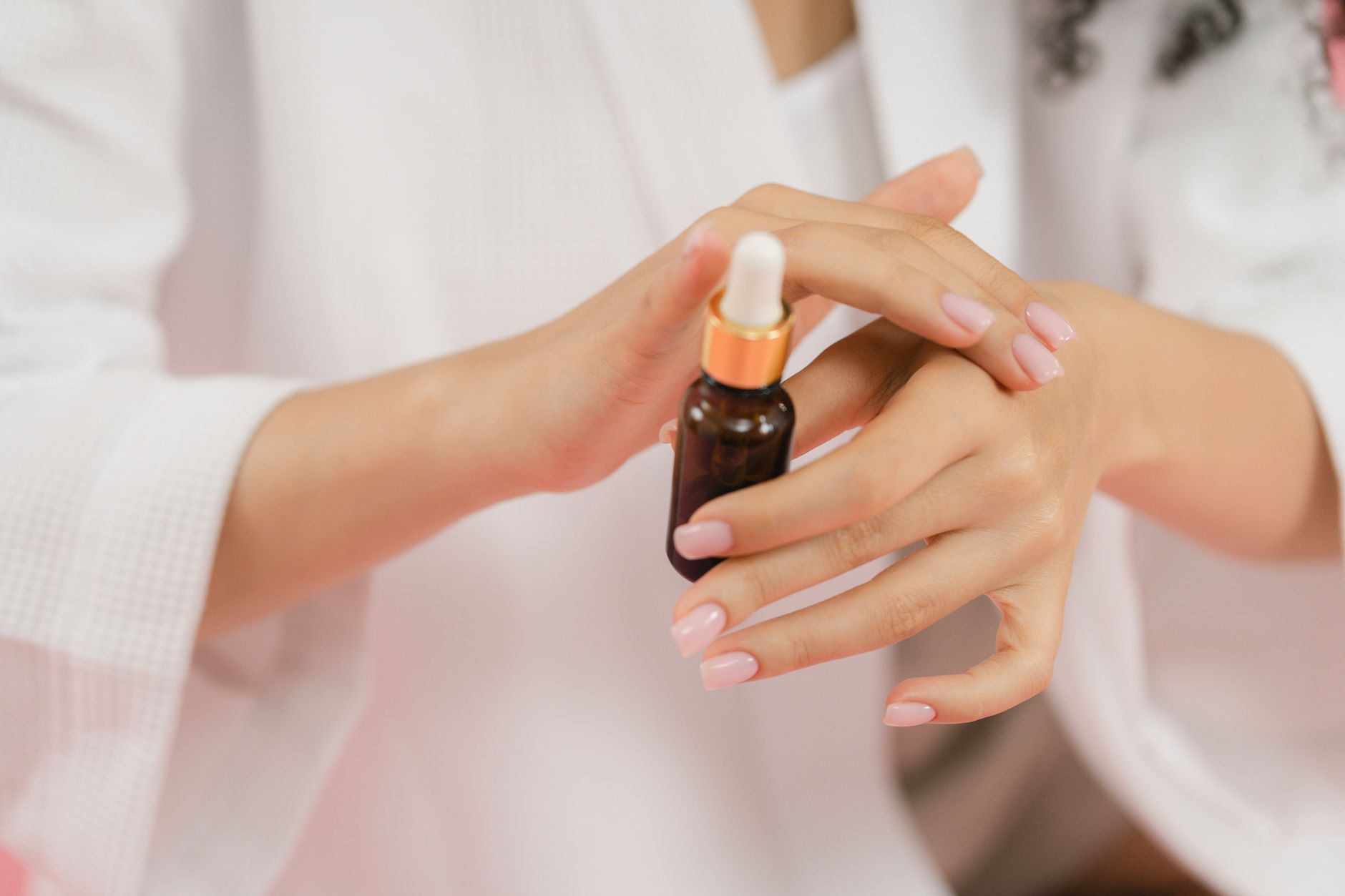
Yes — after fractional CO2 for pitted acne scars, vitamin C plus vitamin E plus ferulic acid serum improved wound healing and reduced redness and pigment compared with saline. Atrophic acne scars are depressed pits caused by collagen loss during healing. The question matters most for adults with icepick, boxcar, or rolling scars considering ablative resurfacing. The serum finding comes from a randomized investigator-blinded split-face trial reported in PubMed / Journal of Cosmetic Dermatology in 2025, described in the split-face antioxidant trial report.
Medical information disclaimer: This article is for general educational purposes only and does not provide medical advice, diagnosis, or treatment. Always consult a physician or other qualified health professional about symptoms, medications, tests, or treatment decisions.
Table of Contents
- Which scars does fractional CO2 improve?
- What does antioxidant serum add after treatment?
- Will my skin darken after resurfacing?
- How painful is fractional CO2?
- What do recovery and aftercare require?
Which scars does fractional CO2 improve?
Atrophic scars fall into three shapes. Icepick scars are narrow and deep. Boxcar scars are broad with sharp edges.
Rolling scars are wide and shallow. A 121-patient retrospective study found fractional CO2 effectively improved atrophic acne scars with no serious adverse reactions. Scar type and laser energy predicted how much improvement occurred.
What does antioxidant serum add after treatment?
The tested formula combined vitamin C with vitamin E and ferulic acid. One side of the face received serum after ablative fractional CO2.
The other side received saline. The serum side showed better wound healing and better hydration. It also showed less erythema, meaning redness, and less melanin, meaning dark pigment.
Will my skin darken after resurfacing?
Post-inflammatory hyperpigmentation is the most common pigment risk. One randomized split-face trial in Asian patients reported it in 92% of subjects and 51% of sessions.
It resolved completely in about 5 weeks on average. Risk rises with darker skin. A split-face study in skin of color reported hyperpigmentation in 30% with fractional CO2 versus 6.67% with microneedling, with higher rates in Fitzpatrick IV-VI types, according to the PubMed study detailed in the skin-of-color split-face comparison.
How painful is fractional CO2?
Fractional CO2 is painful despite anesthesia. Most practices use topical anesthesia before treatment.
In a 13-patient split-face comparison, 53.8% rated CO2 as much more painful than fractional Er:YAG. Expect strong heat, stinging, and pressure during passes.
What do recovery and aftercare require?
Recovery involves 3-7 days of redness, swelling, crusting, and peeling for moderate fractional settings, according to the Schrader Plastic Surgery timeline in the fractional CO2 recovery guide. Deeper acne-scar resurfacing may need 7-10 days before makeup applies smoothly.
Erythema sometimes persists for weeks. Protect the healing skin from sun and follow dermatologist-directed wound care: Key results still come from small, single-center and predominantly Asian cohorts with short follow-up and saline rather than active-comparator controls. Strict sun protection plus moisturizer remains the practical way to lower hyperpigmentation risk after resurfacing.
- Use mineral broad-spectrum sunscreen daily once approved
- Keep skin moisturized with the recommended product
- Avoid picking crusts or peeling skin
- Report spreading redness, pus, fever, or worsening pain promptly
You Might Also Like
- Vitamin C, Vitamin E, and Ferulic Acid After Acne Scar Laser in 2026: Pigment, Pain, and Recovery Questions for People With Atrophic Acne Scars
- Recovery and Pigment Safety in the 2026 Split-Face Acne Scar Trial: What the Trial Means for People With Atrophic Acne Scars
- Microbiome-Friendly Acne Care Questions Raised in 2026: Questions People With Acne-Prone Skin Can Ask a Dermatologist