
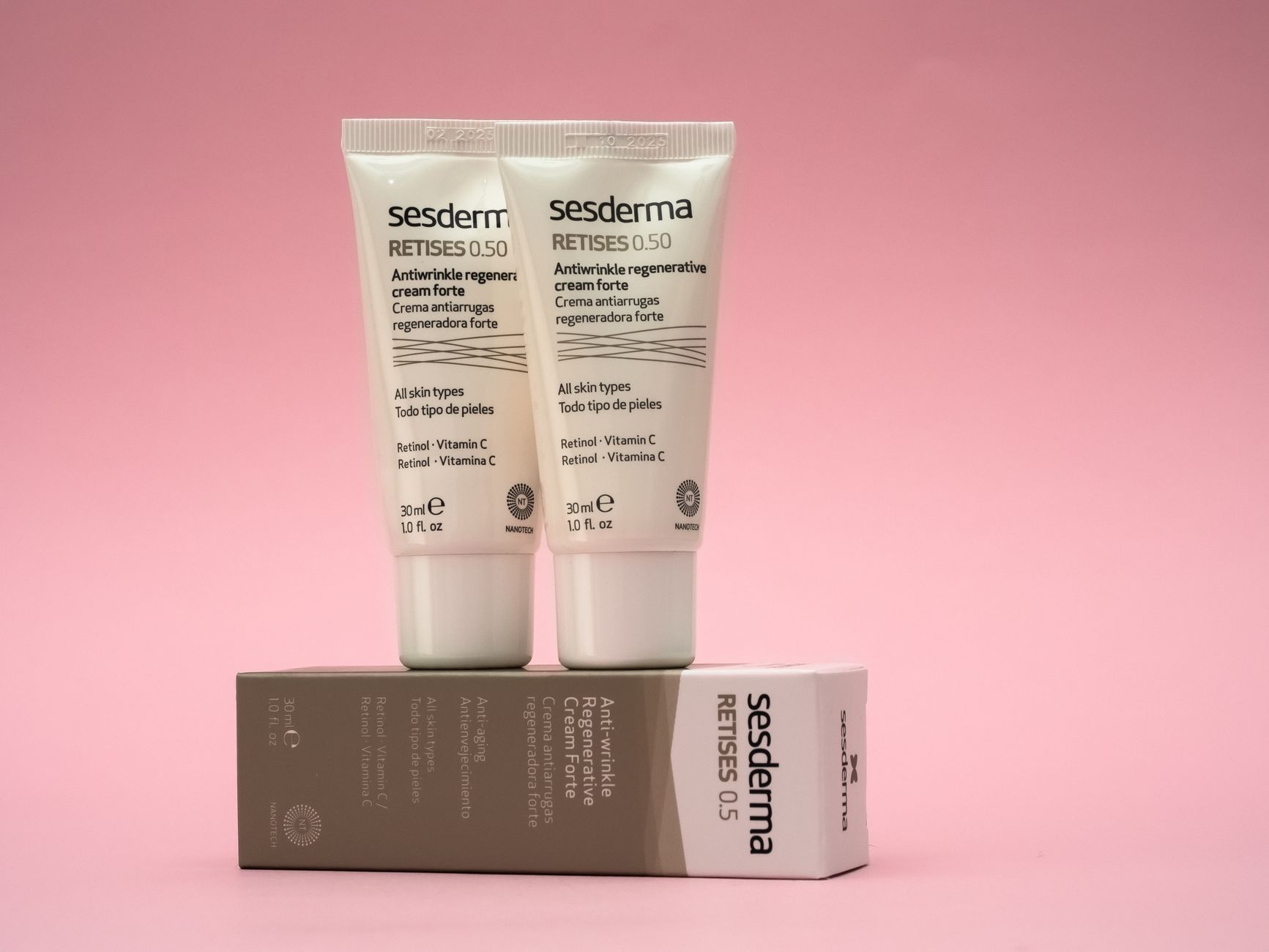
For beginners with mild-to-moderate acne, adapalene 0.1% gel is the better fit than retinol. It is made to unclog pores and reduce inflammation, while retinol is milder and slower.
A retinoid is a vitamin A-based treatment that normalizes cell turnover to prevent clogged pores. Adapalene binds skin receptors directly, while retinol needs two enzymatic conversions to active form, according to the Dermatology Advisor factsheet Dermatology Advisor retinoid factsheet. The American Academy of Dermatology strongly recommends topical retinoids including adapalene for mild-to-moderate acne, as reported by Newswise American Academy of Dermatology guidelines via Newswise.
Medical information disclaimer: This article is for general educational purposes only and does not provide medical advice, diagnosis, or treatment. Always consult a physician or other qualified health professional about symptoms, medications, tests, or treatment decisions.
Table of Contents
- Why does adapalene suit acne-prone beginners?
- Where does retinol fall short for acne?
- How do you start adapalene without irritation?
- Who should avoid retinoids?
Why does adapalene suit acne-prone beginners?
Adapalene 0.1% gel became the first over-the-counter topical retinoid when the FDA approved Differin Gel for acne in ages 12 and older in July 2016, according to the Galderma/FDA announcement FDA approval notice from Galderma. It was the first new OTC acne active ingredient since the 1980s. That gives beginners direct access without a prescription. Comparative studies rank adapalene 0.1% among the least irritating prescription-strength retinoids.
It sits below tazarotene and higher-strength options for irritation risk. Dryness, redness, and peeling still occur often at first. That balance matters for a first routine. You get proven acne activity with more tolerable wear-in. Start on calm skin and add other actives later only if needed.
Where does retinol fall short for acne?
Retinol works through the same vitamin A pathway but much more weakly. Dermatologists estimate it is roughly 10 times less potent than prescription tretinoin because only about 10% converts to active acid, according to Scientific American retinol chemistry explainer in Scientific American. The effect is slower and milder. OTC retinol is marketed mainly for texture and fine lines rather than FDA-approved acne treatment.
It can smooth skin tone and soften rough patches. It does not match adapalene for comedones and inflammatory breakouts. A beginner chasing fewer clogged pores will wait longer with retinol. Someone focused on early fine lines may prefer it. For active acne, adapalene targets the cause more directly.
How do you start adapalene without irritation?
Use a pea-sized amount as a thin layer once daily after washing. Using more or applying more often raises irritation without clearing acne faster. Pair it with moisturizer, sun avoidance, and daily sunscreen because adapalene increases sun sensitivity.
Expect an early purge with acne looking worse for weeks. Visible improvement often takes 8 to 12 weeks of steady nightly use. Keep using it after clearing to help stop new breakouts.
- Wash gently, pat dry, then apply one pea-sized thin layer to the full face
- Use once daily at night and keep the routine simple
- Moisturize and apply broad-spectrum sunscreen each morning
- Skip waxing, harsh scrubs, and extra retinoids during the first weeks
Who should avoid retinoids?
Topical retinoids including adapalene are contraindicated in pregnancy and when planning pregnancy because of class teratogenicity concerns. This limit was set out in the European Medicines Agency retinoid referral annex. Beginners who are pregnant, planning pregnancy, or breastfeeding should avoid them.
That group should ask a clinician or pharmacist for non-retinoid options. Bring a full list of skin products to the visit. Do not start adapalene while pregnancy is possible without medical advice.
You Might Also Like
- Pretreatment Pregnancy Testing Under iPLEDGE in 2026: A Verification Checklist for Parents of Teens With Severe Acne
- Planned Home Pregnancy Testing Under the 2026 iPLEDGE Changes: A Verification Checklist for Parents of Teens With Severe Acne
- Scalp Acne: Key Facts, Safety Considerations, and Next Steps