
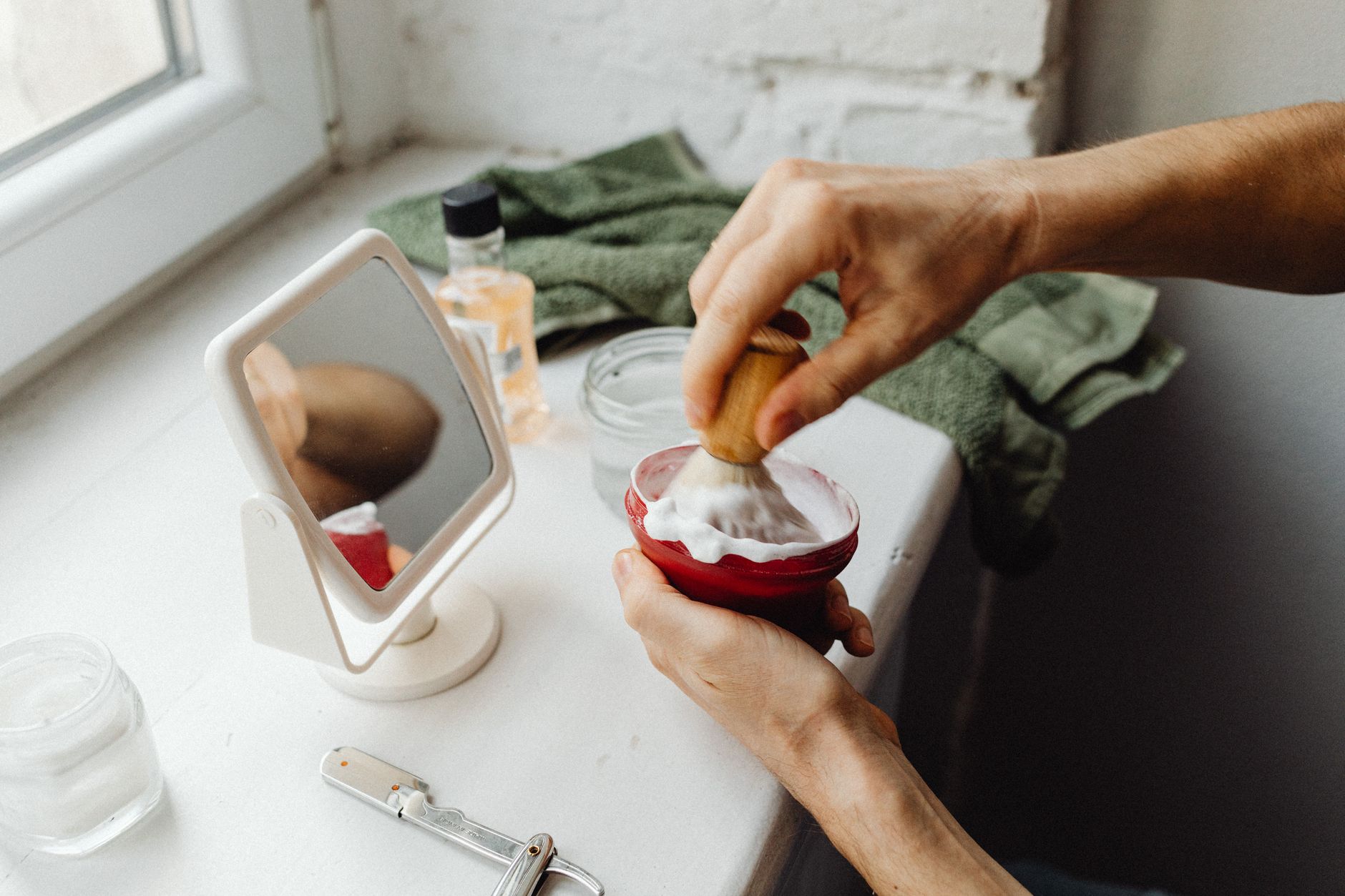
Shaving does not create true acne, but it often causes razor bumps that look like breakouts. Razor bumps are pseudofolliculitis barbae, where a cut hair curls back into skin and triggers red, itchy papules.
Acne vulgaris is different. It is a disease of oil glands driven by excess sebum, clogged pores, bacteria and inflammation, producing blackheads, whiteheads and pustules. Knowing which pattern you have changes what helps.
Medical information disclaimer: This article is for general educational purposes only and does not provide medical advice, diagnosis, or treatment. Always consult a physician or other qualified health professional about symptoms, medications, tests, or treatment decisions.
Table of Contents
- How can you tell razor bumps from acne?
- Why does shaving cause acne-like breakouts?
- Which shaving steps lower razor bumps?
- When should you pause shaving or seek care?
How can you tell razor bumps from acne?
Razor bumps cluster where you just shaved and may show a trapped hair shaft under a red bump. They often itch, darken with healing, and leave marks if picked. According to the Cleveland Clinic, curly, coarse or thick hair raises risk, especially for beard shaving and shaving legs, armpits or the pubic area Cleveland Clinic guide to ingrown hairs.
Acne favors oily areas such as the face, chest, shoulders and back. It includes comedones, meaning open blackheads and closed whiteheads, that appear apart from shave direction. If lesions include comedones plus papules and pustules in oily zones, acne is more likely.
Why does shaving cause acne-like breakouts?
A sharp-tipped shaved hair can re-enter skin and cause inflammation without infection. That process produces tender papules that resemble acne papules but start with hair regrowth. Shaving against the grain, pressing hard, or stretching skin tight increases the chance of sharp tips and re-entry.
Shaving can also trigger folliculitis, an infection or irritation of hair follicles. The American Academy of Dermatology notes that dull blades, shaving against hair growth, and bacteria entering micro-cuts can cause acne-like bumps AAD tips on how to shave. Do not share razors, pick bumps, or shave over pus, spreading redness or broken skin.
Which shaving steps lower razor bumps?
Wet skin and hair first to soften them. Use a lubricating shave gel, shave in the direction of growth, and use few strokes.
These are the prevention steps dermatologists recommend for reducing irritation and ingrown hairs. A single-blade or electric trimmer may also reduce close-cut curl-back for some people. If bumps keep returning in the beard area, ask a dermatologist about long-term options.
- Wet skin for several minutes before shaving
- Apply shave gel, not dry soap
- Shave with hair growth using light pressure
- Rinse the blade after each swipe
- Replace blades after 5 to 7 shaves
When should you pause shaving or seek care?
Stop shaving temporarily when bumps are red, painful, swollen or filled with pus. Let the area calm, keep it clean, and avoid picking or squeezing. Picking raises the risk of darker marks, infection and scarring.
Get care for pus, spreading redness, severe pain, fever, or lesions that do not resolve. Bumps, folliculitis and acne can look alike, and the wrong treatment can worsen infection or scarring. According to NCBI StatPearls, laser hair removal is an accepted treatment for recurrent pseudofolliculitis barbae because it reduces regrowth, while persistent acne needs acne-specific diagnosis and therapy StatPearls review of pseudofolliculitis barbae.