
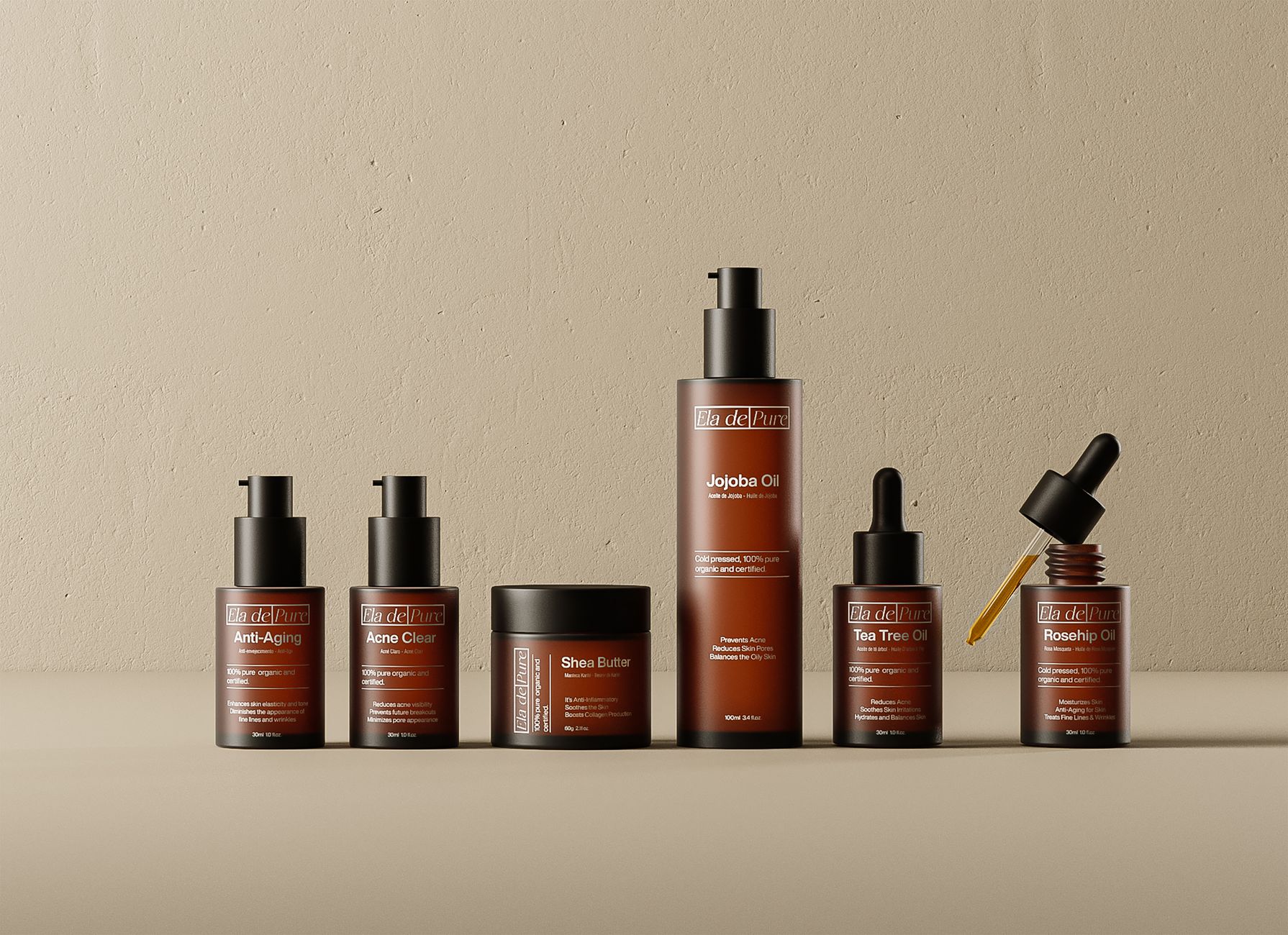
Acne before your period is a hormone-driven flare, and prevention plus early treatment can make each cycle milder. Gentle daily care lowers clog risk, while persistent cyclical breakouts may need prescription acne or hormonal care. Premenstrual acne means pimples that return in the late luteal phase, the days before bleeding starts. Knowing the pattern helps you protect skin early instead of chasing inflamed spots after they appear.
Medical information disclaimer: This article is for general educational purposes only and does not provide medical advice, diagnosis, or treatment. Always consult a physician or other qualified health professional about symptoms, medications, tests, or treatment decisions.
Table of Contents
- Why hormones trigger flares before bleeding
- What cyclical breakouts look and feel like
- Which daily habits lower the risk?
- Which treatments calm persistent cyclical acne?
- How can cycle tracking help you plan?
Why hormones trigger flares before bleeding
In the late luteal phase, falling estrogen leaves progesterone and androgen activity relatively higher. That shift stimulates sebaceous glands to make excess sebum.
Sebum is skin oil. Excess oil mixes with dead skin cells and bacteria. Cleveland Clinic describes this clogging chain as the core driver of premenstrual flares Cleveland Clinic's face-map guide.
What cyclical breakouts look and feel like
Cleveland Clinic notes recurrent, deeper breakouts in menstruating girls and women. They often appear on the lower face, especially the chin and jawline.
Many people see them return in the same spots each cycle. These bumps may feel tender, deep, or swollen rather than small surface whiteheads. Squeezing or heavy pore-blocking products can worsen inflammation and marks.
Which daily habits lower the risk?
Steady habits keep pores clearer through hormone shifts. Begin extra care one to two weeks before bleeding, then stay consistent.
The American Academy of Dermatology recommends this routine to limit clogging, infection, and scarring the Academy's acne-prone skin guide. Keep products gentle and steady rather than adding harsh scrubs before your period.
- Wash gently twice daily and after heavy sweating.
- Use non-comedogenic, oil-free skin and hair products.
- Do not scrub, pick, or squeeze breakouts.
- Use acne medication exactly as directed.
Which treatments calm persistent cyclical acne?
The American Academy of Dermatology guideline strongly recommends several core acne treatments, as reported by MDedge MDedge's report on the updated acne guideline. Strong options include topical benzoyl peroxide, retinoids, antibiotics, and fixed-dose combinations. They also include oral doxycycline, plus oral isotretinoin for severe disease.
The American Academy of Dermatology says dermatologists reserve hormonal therapy for stubborn adult female acne the Academy's hormonal therapy guide. Contraceptives or anti-androgen spironolactone lower sebum and androgen effects when topicals alone fail. These options need prescriptions, take weeks to months, and may be unsafe during pregnancy.
How can cycle tracking help you plan?
Track bleeding dates, breakout spots, sleep, stress, and any new skin or hair products. Photos taken in the same light show whether chin and jawline bumps repeat monthly.
A short log makes patterns easier to discuss than memory alone. Seek personal dermatologist care for painful cysts, scarring, or flares that ignore store products. Bring cycle dates, photos, and your product list so the visit can focus on next steps.