Why Adult Women Now Drive Acne Statistics
Acne has long been viewed as a teenage problem, but this perception no longer matches reality. Today, approximately 45 percent of adults aged 20-40 experience acne, with women representing a particularly growing segment of those affected. Recent global research has found that the burden of acne in young women of reproductive age has risen across all age groups over the last 31 years and is expected to continue climbing through 2040. This shift has transformed how the skincare and pharmaceutical industries approach acne treatment and product development.
The reasons behind this trend are complex and interconnected. Modern lifestyles, environmental pollution, and dietary factors all contribute to higher acne incidence in adult women. Stress and hormonal fluctuations play significant roles in triggering and maintaining acne in this population. Unlike teenage acne, which often resolves naturally, adult acne tends to persist. Studies show that up to 50 percent of individuals who experience acne during adolescence continue dealing with it into adulthood, requiring long-term or recurring treatment.
The market has responded to this growing demand with specialized product lines designed specifically for mature skin experiencing acne. Brands are moving beyond basic cleansers and creams to offer targeted solutions like microbiome-balancing serums and smart treatment devices. The adult acne market alone is valued at 4.1 billion dollars, representing a significant portion of the overall skincare industry. Products are increasingly segmented by skin type and acne severity, with customized regimens gaining traction among consumers seeking personalized solutions.
Ingredient innovation has accelerated to meet the needs of adult women with acne-prone skin. Dermatological research has established salicylic acid, niacinamide, and retinoids as industry standards for treating acne. Simultaneously, there is growing demand for natural and gentle formulations that address acne while respecting sensitive skin. Tea tree oil, aloe vera, and probiotic formulations are gaining market share due to their antibacterial properties and skin-friendly characteristics. The market for organic acne care products is experiencing 23 percent annual growth, reflecting consumer preference for gentler alternatives.
The psychological and social impact of acne on adult women cannot be overlooked. Unlike teenagers who may view acne as a temporary phase, adult women often experience embarrassment and frustration when dealing with breakouts during their professional and personal lives. This emotional burden has driven demand for more effective and long-term therapeutic solutions. The healthcare system has responded by developing comprehensive treatment approaches that combine multiple therapeutic options, including both topical and oral medications.
Access to treatment information has also changed dramatically. Direct-to-consumer advertising of pharmaceutical products has raised awareness of advanced prescription options. Dermatology influencers and online skincare communities have educated consumers about active ingredients and treatment regimens, empowering women to seek specific solutions from healthcare professionals. Telehealth services for dermatological consultations are expanding market reach, making expert advice more accessible than ever before.
The global skincare products market for acne-prone skin reflects this growing demand. The market was valued at 13.65 billion dollars in 2024 and is projected to reach 19.29 billion dollars by 2032, growing at a rate of 5.2 percent annually. The acne therapeutics market specifically is expected to reach 11.51 billion dollars by 2030. Young adults aged 20-35 represent the most active consumer segment driving this growth, with women showing the strongest demand patterns and distinctive preferences for specific product types and ingredients.
Distribution channels have evolved to meet consumer preferences. Online retailers show the strongest growth as the preferred purchasing channel for acne products, reflecting how adult women increasingly research and purchase skincare solutions independently. This shift has democratized access to specialized treatments and allowed consumers to compare options and read reviews before making purchases.
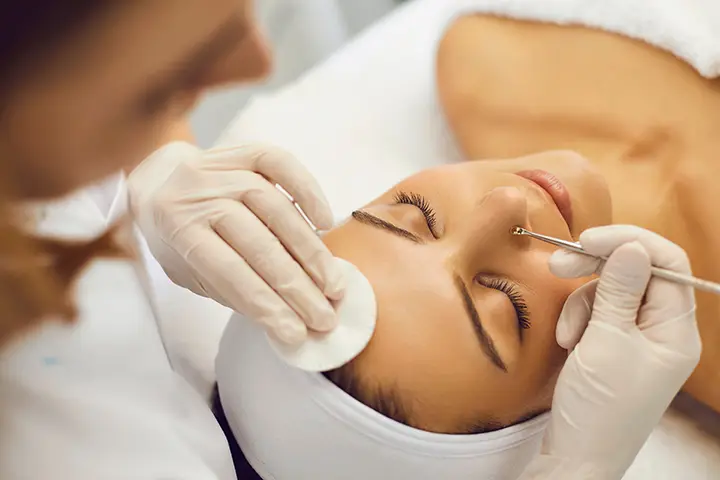
The expansion of treatment options extends beyond topical products. Minimally invasive procedures including steroid injections, lasers, and chemical peels are projected to exhibit the highest growth rate of approximately 5 percent during the forecast period. Many adult women are seeking immediate results and are willing to invest in professional treatments alongside at-home skincare regimens.
The recognition of acne as a chronic condition affecting adult women has also prompted insurance providers and healthcare systems to focus on preventive care and early intervention strategies. This shift has resulted in increased investment in patient education programs and the development of comprehensive treatment protocols. The healthcare industry now acknowledges that acne management in adults requires a different approach than teenage acne treatment, leading to more sophisticated and targeted solutions.
Sources
https://www.intelmarketresearch.com/skincare-s-for-acne-prone-skin-market-22968
https://www.dermatologytimes.com/view/top-10-articles-of-the-year-2025
https://www.mordorintelligence.com/industry-reports/acne-therapeutics-market
https://www.intelmarketresearch.com/skin-care-s-for-acne-prone-market-22924
https://www.pharmacytimes.com/view/the-educated-patient-clearing-up-acne
https://www.24marketreports.com/life-sciences/global-medications-usedacne-treatment-forecast-market