# What Long Term Sebum Control Really Looks Like
Most people think controlling oily skin means finding the right product that will solve the problem once and for all. The reality is quite different. Long-term sebum control is not about a one-time fix but rather a consistent management strategy that you maintain over months and years.
Your skin produces oil for important reasons. Sebum protects your skin barrier, keeps it hydrated, and serves natural biological functions. The goal is not to eliminate oil production entirely but to keep it balanced so your skin stays healthy and clear.
The foundation of long-term sebum control starts with understanding your skin type and what makes it produce excess oil. Hormonal changes, stress, diet, environmental factors, and your skincare routine all play roles in how much oil your skin makes. This is why a one-size-fits-all approach rarely works for everyone.
Cleansing is where most people go wrong. Using harsh, stripping cleansers might feel like they work at first because they remove all the oil from your skin. However, this actually backfires. When you strip away too much oil, your skin becomes irritated and dehydrated. In response, your skin compensates by producing even more sebum to try to restore its natural balance. This creates a cycle where aggressive treatment makes the problem worse, not better.
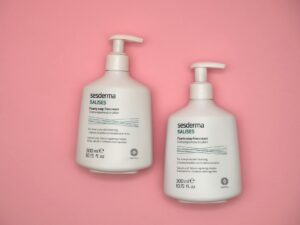
For oily or acne-prone skin, gel-based or foaming cleansers with a slightly acidic pH work best. These formulations can remove excess sebum without leaving residue or damaging your skin barrier. The key is being gentle and consistent rather than aggressive.
Chemical exfoliants are more effective than physical scrubbing for long-term control. Salicylic acid, which is oil-soluble, penetrates deep into pores and helps dissolve accumulated sebum and dead skin cells. Using salicylic acid two to three times per week helps prevent congestion and greasiness. However, the concentration matters. You need enough to be effective but not so much that you irritate your skin and trigger more oil production.
Niacinamide is another ingredient that supports long-term sebum management. It helps regulate sebum production, reduces inflammation, strengthens your skin barrier, and can even help tighten the appearance of pores. Unlike some ingredients that work through irritation, niacinamide actually supports your skin’s health while managing oil.
Retinoids, which are derivatives of vitamin A, also play an important role in long-term control. They work by reducing oil gland production and regulating how quickly your skin cells turn over. This helps prevent pores from becoming clogged. Prescription retinoids may support collagen remodeling and pore decongestion when used under medical supervision over extended periods.
Moisturizing is essential and often overlooked. Many people with oily skin skip moisturizer because they think it will make their skin greasier. The opposite is true. When your skin is properly hydrated with non-comedogenic moisturizers, it doesn’t need to produce as much oil to compensate. A lightweight, hydrating moisturizer actually helps regulate sebum production over time.
Your lifestyle choices matter significantly for long-term control. A balanced diet that limits oily and sugary foods can help manage sebum production. Stress management through mindfulness, meditation, or yoga reduces the hormonal triggers that lead to excess oil. Regular exercise combined with proper cleansing after sweating helps prevent clogged pores. These lifestyle factors work together with your skincare routine to create lasting results.
Professional treatments can accelerate results for stubborn cases. Chemical peels using alpha-hydroxy acids and beta-hydroxy acids provide deep exfoliation and pore unclogging. Microdermabrasion removes surface debris while promoting skin renewal. Professional extraction procedures, when performed by trained skincare professionals, safely remove oil plugs and reduce the risk of irritation or scarring. These treatments work best when combined with a solid at-home routine.
Most people notice improvements within four to six weeks of consistent use, though some see changes as early as one to two weeks. Others might need eight to twelve weeks for significant results. The timeline depends on your skin type, the severity of your condition, and how consistently you follow your routine.
It is important to understand that you cannot permanently change your skin type. Your genetics determine whether you have naturally oily skin. However, you can effectively manage oil production with consistent care. Hormonal changes throughout your life may affect your skin’s oil levels, which means your routine might need adjustments over time.
The most common mistake people make is expecting results too quickly and then abandoning their routine. Long-term sebum control requires patience and consistency. The factors that contribute to visible oily skin and congestion are persistent. Ongoing sebum production, continuous environmental exposure, and natural aging processes all require ongoing attention.
Avoiding damaging practices is just as important as doing the right things. Over-exfoliation, excessive use of mechanical extraction tools, and harsh treatments can compromise your skin barrier and make oiliness worse. Your goal should be to support your skin’s natural functions while keeping sebum production balanced.
Think of long-term sebum control like maintaining your physical health. You cannot exercise once and expect to stay fit forever. You cannot eat well for a month and expect lasting health benefits. Similarly, you cannot use a product for a few weeks and expect your skin to stay clear indefinitely. The commitment to consistent daily care is what creates lasting results.
The most effective approach combines multiple strategies. Gentle cleansing, appropriate chemical exfoliation, targeted active ingredients like niacinamide and retinoids, proper moisturization, sun protection, lifestyle adjustments, and occasional professional treatments all work together. This integrated approach addresses the root causes of sebum dysregulation while maintaining a healthy skin barrier to prevent problems from returning.
Sources
https://www.kins-clinic.com/blogs/how-to-close-pores-permanently-the-truth-about-what-really-works