
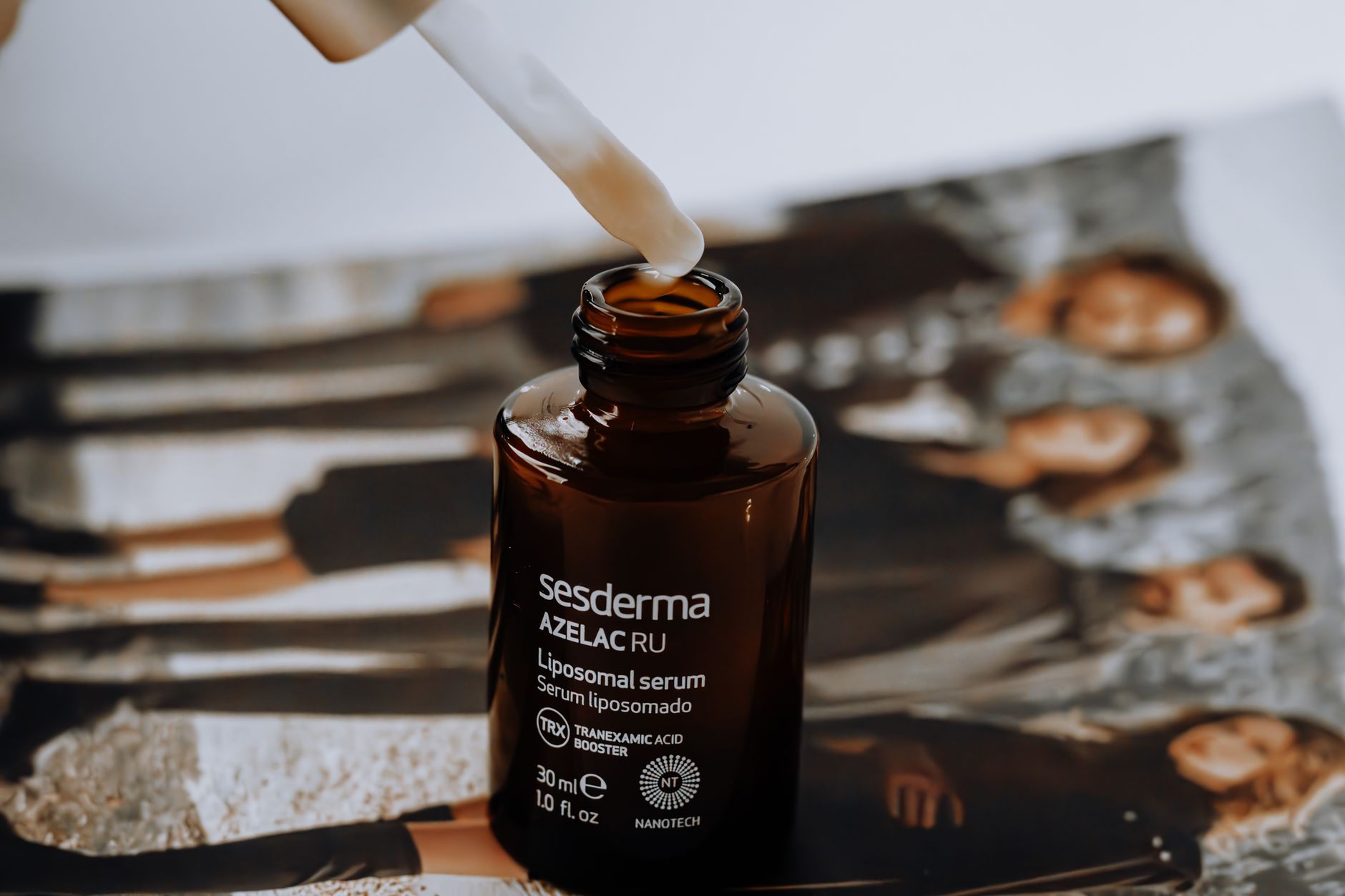
For daily exfoliation of acne-prone skin, choose salicylic acid pads for fixed dosing with friction and toner for flexible dosing without a fixed swipe. Salicylic acid is an oil-soluble beta-hydroxy acid that loosens dead cells, unplugs pores, and reduces swelling and redness. The American Academy of Dermatology gives topical salicylic acid a conditional recommendation for unclogging pores and exfoliating skin, based on low-certainty evidence from limited trials. That limit makes gentle, consistent daily habits more important than chasing stronger peeling.
Medical information disclaimer: This article is for general educational purposes only and does not provide medical advice, diagnosis, or treatment. Always consult a physician or other qualified health professional about symptoms, medications, tests, or treatment decisions.
Table of Contents
- What salicylic acid does for acne-prone pores
- Which format fits daily use better?
- How to start daily exfoliation safely
- When to cut back or stop
What salicylic acid does for acne-prone pores
The National Library of Medicine states that salicylic acid penetrates sebum-filled pores, loosens bonds between dead skin cells, and helps clear blockages while easing swelling and redness, as detailed on the MedlinePlus topical salicylic acid page. That oil-soluble action suits acne-prone pores clogged with sebum and shed cells. Cleveland Clinic describes salicylic acid pads, solutions, and washes as acne treatments that decrease inflammation and promote skin-cell turnover to prevent clogged pores.
Turnover means old surface cells shed more readily instead of collecting at pore openings. U.S. over-the-counter acne products may use salicylic acid at 0.5% to 2% as the active ingredient, according to the Legal Information Institute version of the federal acne monograph rule. A 2% leave-on is therefore at the top of the drugstore acne range, not a mild cosmetic rinse.
Which format fits daily use better?
Pads deliver a pre-measured leave-on dose plus wiping friction. Toners are user-poured leave-ons applied with fingers or cotton, so the amount varies with each pour. Friction is the practical difference.
A pad adds light physical wiping to chemical loosening of dead cells. A toner skips that swipe, which can feel gentler when skin is dry, flaky, or tender. Cleveland Clinic drug directions frame both formats as leave-on acne care that works through steady turnover and less clogging, explained in the Cleveland Clinic drug guide. For daily exfoliation, acne-prone users should pick one leave-on and avoid layering pads plus medicated toner.
How to start daily exfoliation safely
A representative 2% salicylic-acid pad label directs users to wipe a thin layer over the entire affected area one to three times daily. The same DailyMed label advises starting once daily, testing a small area for three days first, and increasing only if tolerated, as shown on the OXY pad drug label.
Apply gently without scrubbing and keep the product away from eyes, lips, and mouth. Do not leave the pad sitting on skin, and add moisturizer and sunscreen to a daily routine. Use this simple start sequence:.
- Test one small breakout-prone patch for three days.
- Wipe a thin layer over the whole affected area once daily.
- Raise toward two or three daily uses only if skin stays calm.
- Keep the second leave-on slot free of other acne acids or retinoids.
When to cut back or stop
Common effects include skin irritation, dryness, peeling, stinging, and burning. Irritation plus dryness is more likely when salicylic acid is combined with another topical acne medication. Cut back to once daily or every other day if dryness or peeling becomes bothersome.
Do not scrub flakes off or add a second exfoliating toner to fix them. Stop use and see a clinician if severe burning, swelling, or hives occur. Gentle dosing, moisturizer, and sunscreen protect the barrier while pores adjust.