
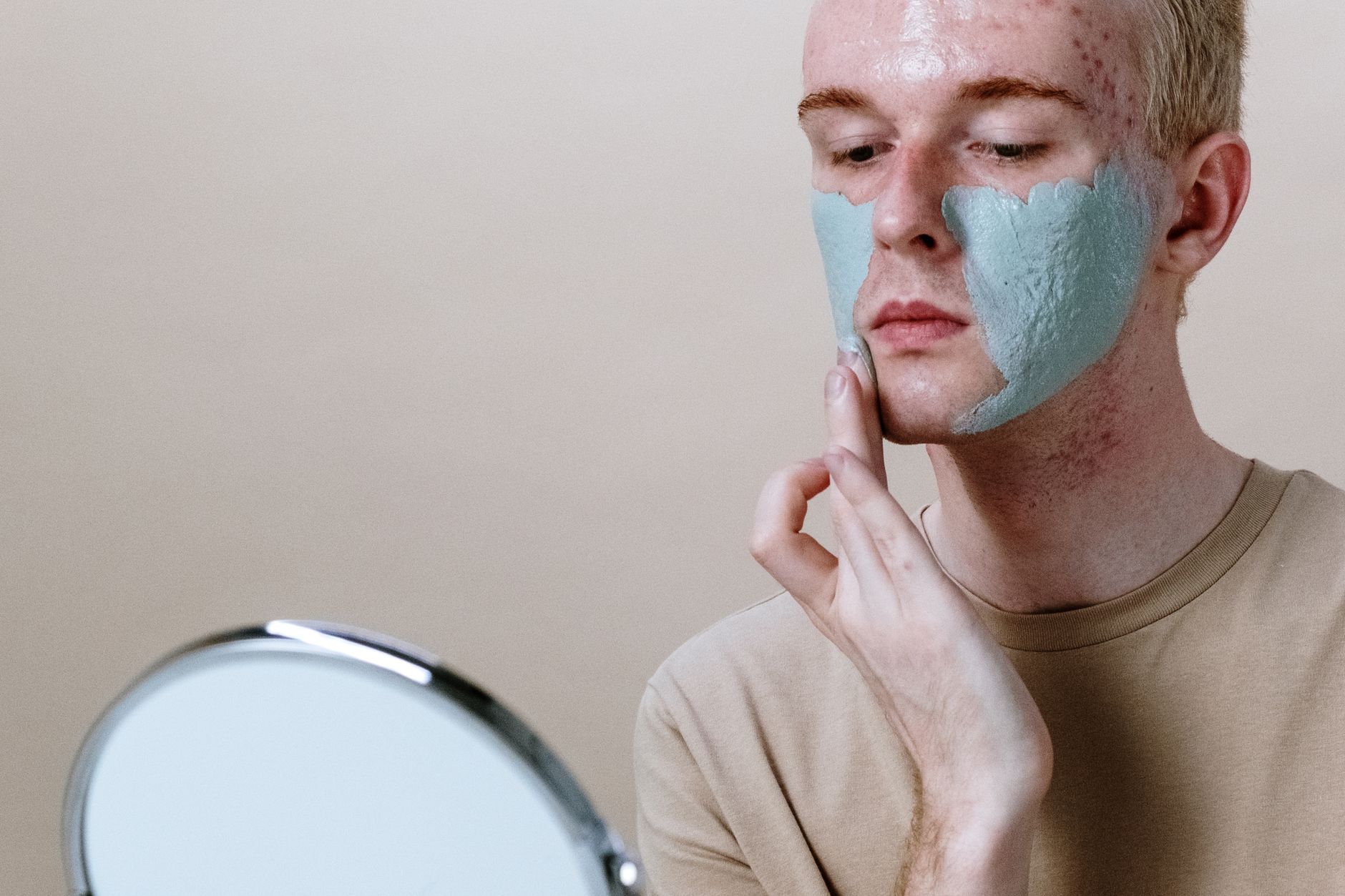
Yes, stubborn chin acne is often a sign of shifting hormones, especially in adult women. Yet the spot alone does not prove a hormonal imbalance.
Hormonal acne is adult acne tied to excess sebum, an oily substance from skin glands. According to the Cleveland Clinic in its hormonal acne overview, excess sebum clogs pores and forms blackheads, whiteheads, pimples, and painful cysts. The chin and jawline are common sites, but breakouts can also spread to the face, chest, shoulders, and back.
Medical information disclaimer: This article is for general educational purposes only and does not provide medical advice, diagnosis, or treatment. Always consult a physician or other qualified health professional about symptoms, medications, tests, or treatment decisions.
Table of Contents
- Why does acne favor the chin and jawline?
- Which hormone shifts trigger breakouts?
- When should persistent chin acne prompt a PCOS check?
- What actually clears hormonal chin acne?
Why does acne favor the chin and jawline?
Androgens are hormones that rise in puberty and act on oil glands. According to the Mayo Clinic in its acne causes guide, androgens enlarge sebaceous glands and raise sebum output. The extra oil plus dead skin cells plugs hair follicles. That process favors the lower face in adults.
The American Academy of Dermatology describes hormonal acne as inflamed or cystic bumps along the jawline, chin, and lower cheeks. These bumps often fluctuate with menstrual-cycle hormone changes. Cystic lesions feel deep, tender, and slow to heal. Blackheads and small pimples can appear in the same area during a flare. The mix reflects clogged pores at different stages, not two separate conditions.
Which hormone shifts trigger breakouts?
Menstruation, pregnancy, perimenopause, and menopause can each start a flare. Starting or stopping birth-control pills can also change oil production. The Cleveland Clinic lists these shifts as common triggers for adult acne. Androgen-excess conditions are another driver.
Polycystic ovary syndrome is the main example named by the Cleveland Clinic. It raises androgen activity and keeps sebum output high. Women ages 20 to 50 are especially affected, according to the Cleveland Clinic. Cycle-linked chin flares in this age range deserve attention to timing. A diary of periods and breakouts can reveal the pattern.
When should persistent chin acne prompt a PCOS check?
A regular monthly flare is common and does not by itself mean PCOS. The concern rises when chin breakouts persist and occur with other body-wide signs.
The Cleveland Clinic advises evaluation when several signs cluster. Watch for this cluster: One sign alone proves little, but persistent chin acne plus two or more signs warrants prompt medical care. Early testing can identify hormone excess and guide treatment.
- irregular or missed periods
- excess facial hair growth
- thinning scalp hair or hair loss
- unexplained weight gain
What actually clears hormonal chin acne?
Chin location is a clue, not a diagnosis. According to the NHS in its acne information page, bacteria, clogged follicles, cosmetics, medications, stress, and diet can cause identical lesions. A clinician must weigh timing, severity, cycle history, and other symptoms. For hormone-driven oil production, dermatologists have prescription options.
According to the American Academy of Dermatology in its updated acne management guidelines, doctors may prescribe combined oral contraceptives, spironolactone, or topical clascoterone. These therapies aim to lower hormone-driven oil output. They are not home remedies or cosmetic fixes. They require a medical history, exam, and follow-up for risks and response. Bring cycle dates, birth-control changes, and related symptoms to that visit.