
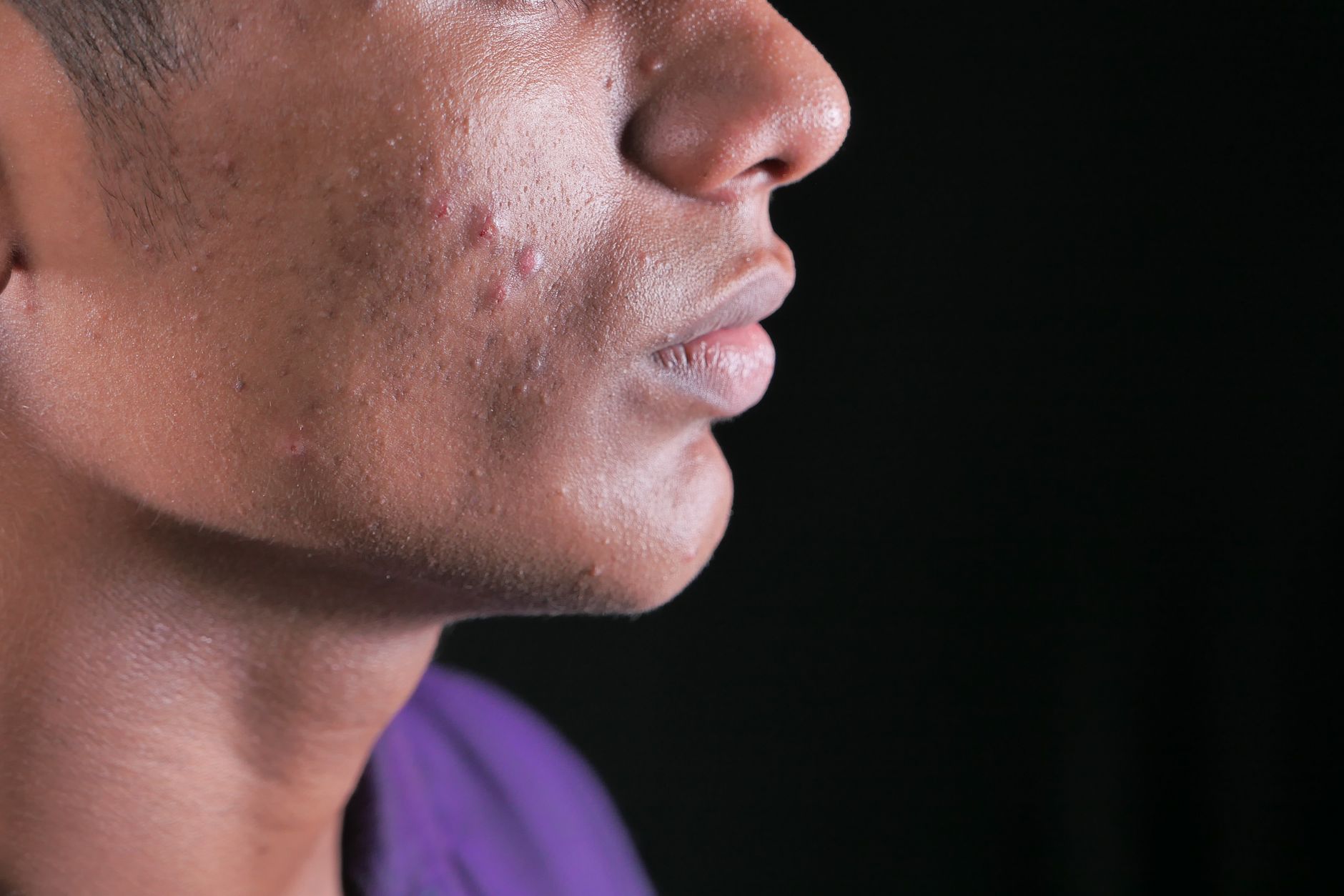
See a dermatologist if whiteheads — closed comedones where oil and dead skin seal a hair follicle under skin — have not improved after about 4–8 weeks of consistent over-the-counter care, as the American Academy of Dermatology advises in its acne-treatment guidance. Go sooner for numerous spots, deep painful nodules or cysts, spreading swelling, hot painful skin, worsening breakouts, new scars or dark marks, or low mood and low self-esteem.
Whiteheads form small skin-colored, white or yellowish bumps, often on the face, neck, back and chest, according to the Cleveland Clinic in its whitehead overview. They can affect adolescents and adults of any age. That pattern helps you judge whether self-care is enough or an appointment is next.
Medical information disclaimer: This article is for general educational purposes only and does not provide medical advice, diagnosis, or treatment. Always consult a physician or other qualified health professional about symptoms, medications, tests, or treatment decisions.
Table of Contents
- When has home care lasted long enough?
- Which warning signs need prompt care?
- What if whiteheads leave marks or scars?
- What should you avoid before the visit?
When has home care lasted long enough?
Give consistent over-the-counter care about 4–8 weeks before deciding it failed. The American Academy of Dermatology uses that window as the point to seek a board-certified dermatologist for stronger prescription evaluation. Track start date, products used, and breakout photos.
Steady use matters more than switching often. If bumps stay the same, spread, or return in the same areas, bring that record to the visit. A dermatologist can confirm the diagnosis and discuss prescription retinoids, antibiotics, hormonal treatments, or in-office procedures when appropriate. Do not start those options without confirmation.
Which warning signs need prompt care?
Seek GP or dermatologist assessment for many spots at once, deep painful nodules or cysts, spreading swelling, hot and painful skin, or breakouts that keep worsening, according to the NHS in its acne guidance. These signs point toward inflammatory disease. Inflammatory disease scars more readily.
Also seek help when acne covers large areas or persists despite self-care. Large or stubborn areas are harder to manage alone. A clinician can grade severity and set a stronger plan.
- many whiteheads plus tender, deep lumps
- swelling that spreads or skin that feels hot and painful
- breakouts that worsen week to week
- acne that affects sleep, school, work, or social life
What if whiteheads leave marks or scars?
Get prompt care for pitting, shallow holes, persistent dark marks, color or texture change, or any new scar where whiteheads healed. Early treatment lowers risk of permanent scarring. Waiting gives marks more time to set. Note where scars form and how long marks last.
Face, chest, and back scar often because follicles there are larger and inflammation runs deeper. That detail helps the dermatologist choose treatment intensity. Bring a short history: when breakouts began, what you applied, and what improved or irritated skin. Clear timing shortens the visit. It also reduces repeat trials of care that already failed.
What should you avoid before the visit?
Do not pick, squeeze, pop, or aggressively scrub whiteheads. The Cleveland Clinic states in its comedonal acne overview that only a licensed professional should perform comedone extractions. Picking can push contents deeper, raise infection risk, and increase inflammation. Scrubbing can irritate surrounding skin without clearing the plug.
Hands-off care keeps the area easier to assess. Not every white bump is a whitehead. Milia and other conditions can mimic closed comedones, so ask the dermatologist to confirm the diagnosis before using prescription products or procedures. Bring a list of all cleansers, moisturizers, makeup, and hair products to check for pore-blocking ingredients.