
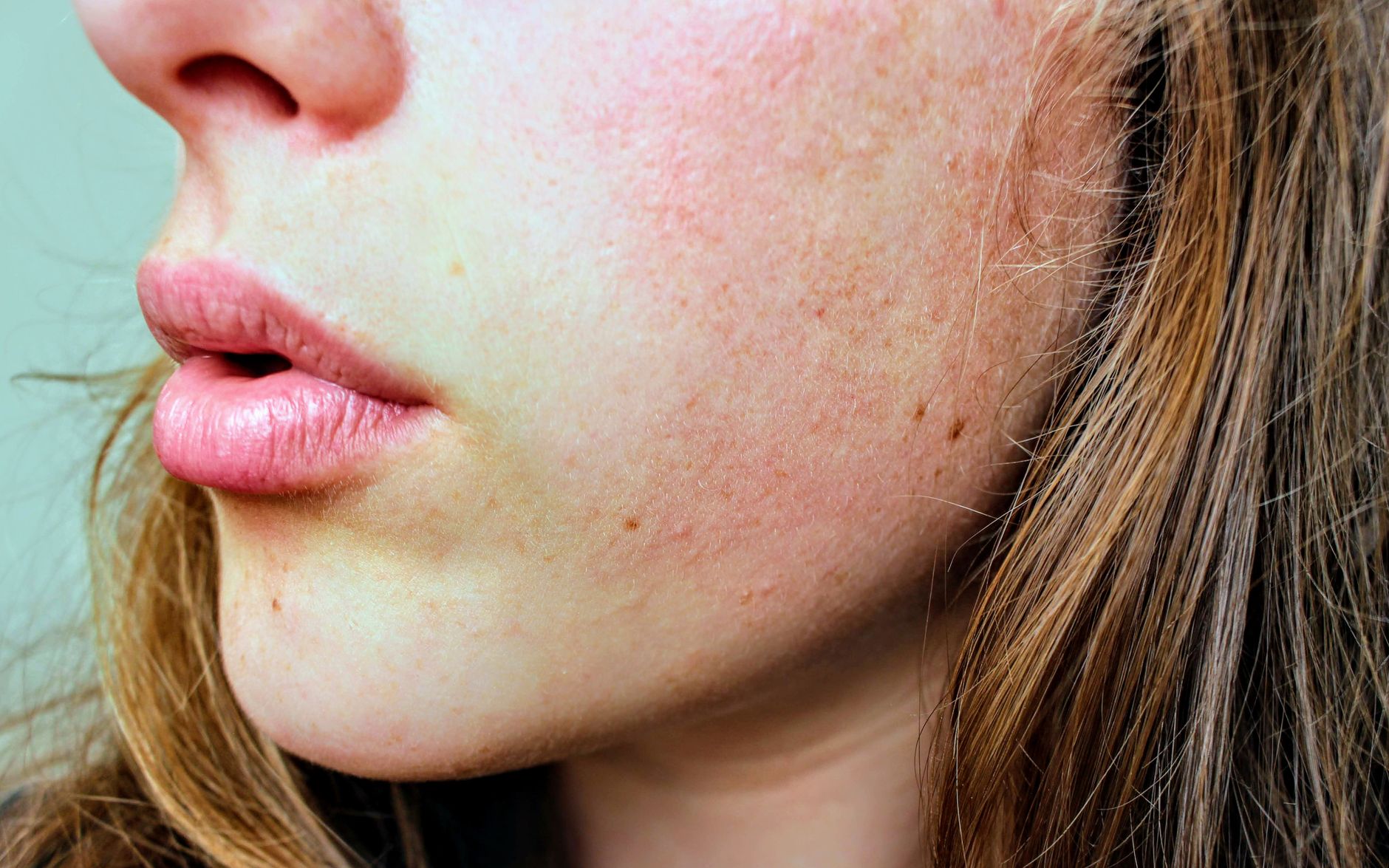
Pore-minimizing face peels — chemical products that remove outer skin layers to smooth texture — can help blackhead-prone skin when a professional controls the strength. Daily low-strength salicylic acid is usually the safer starting point, while high-strength at-home peels carry a real risk of burns and scars. Blackheads form when oil and dead cells plug pores and darken at the surface. Salicylic acid helps because it is oil-soluble, so it can enter oily pores and loosen the plug, while water-soluble acids tend to stay on the surface, according to Chemical & Engineering News.
Medical information disclaimer: This article is for general educational purposes only and does not provide medical advice, diagnosis, or treatment. Always consult a physician or other qualified health professional about symptoms, medications, tests, or treatment decisions.
Table of Contents
- Why salicylic acid helps blackheads
- Why strong at-home peels injure skin
- Who faces the highest risk?
- A safer plan for clearer pores
Why salicylic acid helps blackheads
The American Academy of Dermatology recommends topical salicylic acid to unclog pores and exfoliate skin in its acne guidance, described in updated acne guidance. That action fits blackheads and whiteheads, which start as pore plugs.
Cleveland Clinic dermatologist Angela Wei recommends a once-daily salicylic-acid wash, pad, or toner as her go-to blackhead treatment, as explained in how to get rid of blackheads. She says an office chemical peel removes damaged outer layers to improve texture and smoothness.
Why strong at-home peels injure skin
The FDA states it has never approved any chemical peel, and warns that home products with high-concentration trichloroacetic, glycolic, salicylic, or lactic acid can cause chemical burns without professional supervision, reported in FDA warning on at-home peels. These are not the same as daily low-strength cleansers.
The same FDA warning says those strong acids can also cause pain, swelling, infection, lasting color changes, and disfiguring scars. Drug Topics reporting on the warning notes that severe injuries may need emergency, dermatologist, or surgeon care. Injury depth depends on acid strength, number of coats, and time on skin, so one label cannot make every product safe.
Who faces the highest risk?
People with brown or Black skin face higher risk of hyperpigmentation or hypopigmentation after peels, sometimes permanent, according to a Best Cosmetic Hospitals guide summarizing Mayo Clinic in chemical peel risks by skin tone. That risk makes professional screening especially important before a peel.
Newly peeled skin is also sun-sensitive. The same guide points to sun avoidance and sunscreen as practical protection during healing. Outdoor work, strong sun exposure, or a history of dark spots or light spots after pimples or injury deserve a direct talk with a dermatologist first.
A safer plan for clearer pores
Start with steady daily care rather than a stronger peel. Use one salicylic-acid wash, pad, or toner once daily, then moisturize and use sunscreen in the morning. If blackheads persist, ask a dermatologist whether an office peel suits your skin type and tone.
- Avoid high-strength trichloroacetic, glycolic, salicylic, or lactic acid peels at home.
- Do not layer peels, leave them on longer, or repeat them to speed results.
- Stop and get urgent or dermatology care for severe burning, blistering, swelling, infection signs, or lasting color change.