
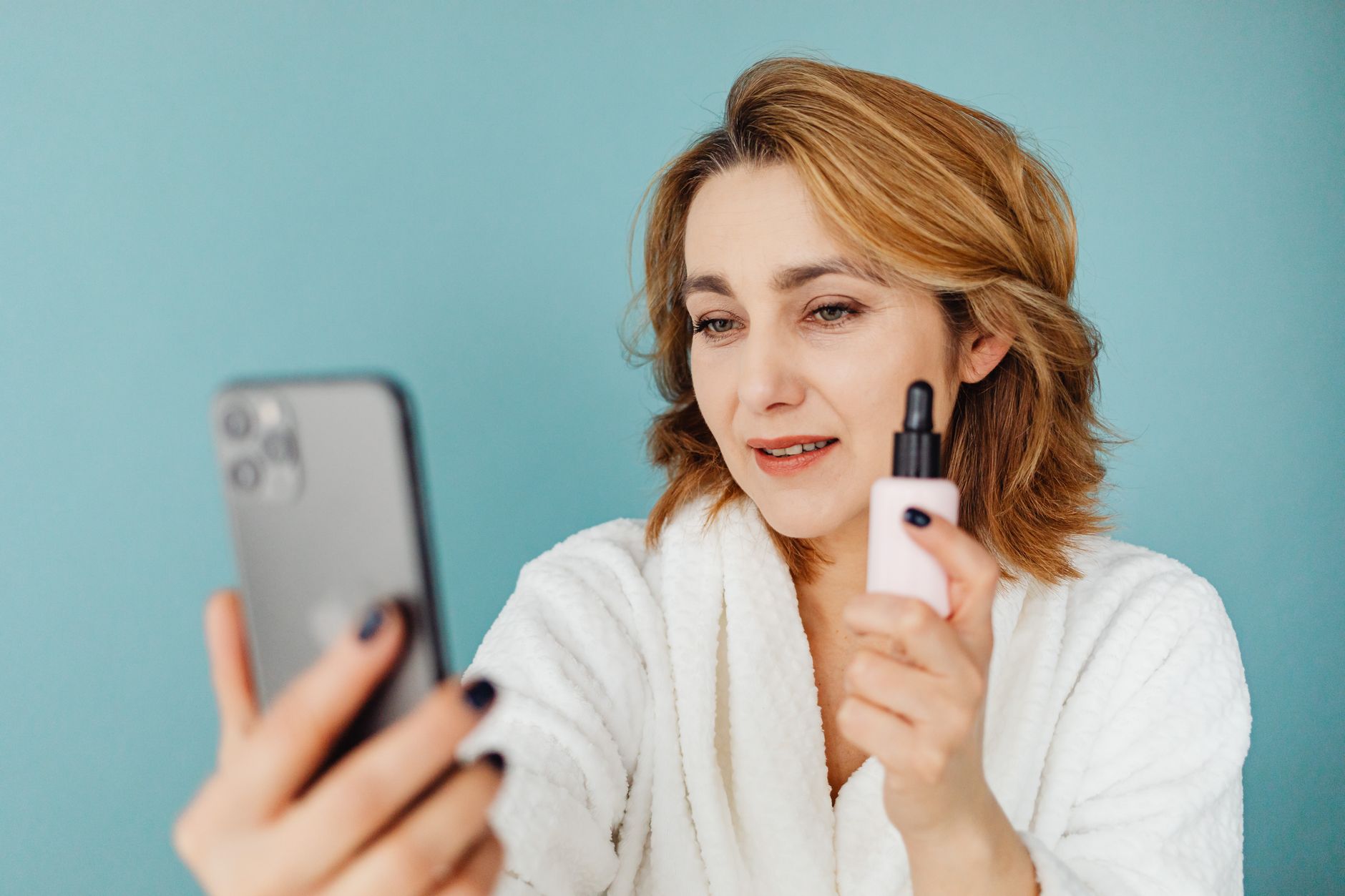
Yes, a new phone case can cause jawline breakouts. A bulkier, tighter, or rough-edged case adds pressure and friction and traps heat, sweat, and oil against the cheek and jawline.
Dermatologists call breakouts on the calling side of the face phone acne. Acne mechanica means acne caused by repeated friction, pressure, and heat from an object touching skin. A new case often supplies that added trigger in people already prone to acne.
Medical information disclaimer: This article is for general educational purposes only and does not provide medical advice, diagnosis, or treatment. Always consult a physician or other qualified health professional about symptoms, medications, tests, or treatment decisions.
Table of Contents
- Why does a new case irritate the jawline?
- What does phone acne look like?
- Is it germs or a metal allergy?
- How can you calm the flare?
Why does a new case irritate the jawline?
A new shape changes where the phone rests. A wider edge, raised lip, or grippy texture presses longer on the jawline during calls. That added rubbing and pressure fits the same mechanism as sports-gear breakouts. The American Academy of Dermatology notes that friction and pressure from tight equipment or fabrics can cause acne mechanica, so a tighter or bulkier case fits that pattern American Academy of Dermatology guidance.
Heat makes the spot worse by warming skin while sweat, oil, and dust collect underneath. A peer-reviewed letter in Clinical and Experimental Dermatology attributes cell-phone acne flare-ups to phone heat, friction, trapped sweat and oil, dust buildup, and microorganisms including Staphylococcus species. A new case can hold more residue along its edges. Longer calls increase contact time and irritation.
What does phone acne look like?
Look for pimples, blackheads, and tender red bumps along the cheek, jawline, and chin on the side where you hold the phone. The other side often stays clearer. Dr. Munir Somji and Dr.
Derrick Phillips describe this one-sided cheek pattern as recognizable phone acne, especially in acne-prone people Indy100 dermatologist report. The flare often starts within days of switching cases. Makeup residue, sunscreen buildup, and afternoon oil make the contact zone worse. Short calls cause less trouble than long calls pressed hard against the jaw.
Is it germs or a metal allergy?
Phones collect residue quickly from hands, pockets, bags, and desks. University of Arizona microbiology work, summarized by University of Michigan IHPI, found cell phones carry about 10 times more bacteria than most toilet seats because phones are handled constantly and rarely cleaned University of Michigan health report. Pressing a dirty screen to skin transfers oil, sweat, makeup residue, dust, and bacteria.
Not every jawline rash is acne. Prolonged nickel contact from a phone or metal case trim can cause mobile phone dermatitis, a red and itchy rash where metal touches cheek or ear. The British Association of Dermatologists reports Brown University testing found nickel in 10 of 22 handsets. An itchy, scaly, or ear-centered rash favors allergy over acne.
How can you calm the flare?
Cut direct contact first. Use speakerphone, earbuds, or text for long calls.
Hold the phone lightly and keep calls shorter. Both cited dermatologists stress phones usually aggravate acne rather than cause it alone, so lasting jawline acne still needs evaluation for hormonal or other causes. Apple says users may gently wipe exterior iPhone surfaces with a 70% isopropyl alcohol wipe, 75% ethyl alcohol wipe, or Clorox Disinfecting Wipes Apple cleaning support, then follow with a soft, slightly damp lint-free cloth.
- Wipe the screen and case daily, including edges and buttons
- Remove the case weekly to clean trapped oil and dust
- Wash hands before long calls and avoid pressing the phone hard into skin
- Choose smooth, simple trim if metal parts touch your cheek or ear