
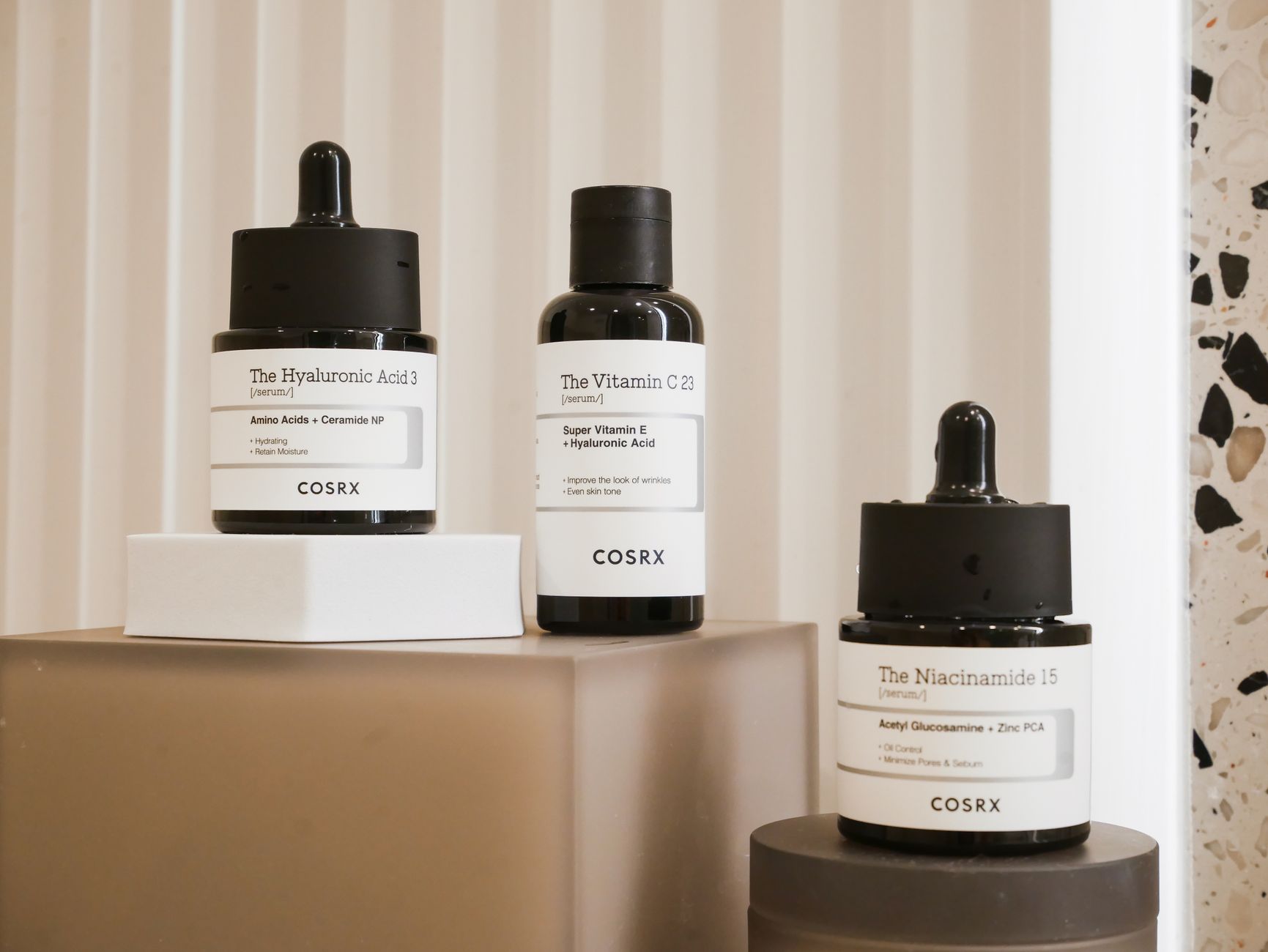
Layer chest products thinnest to thickest on clean skin: cleanser, then salicylic acid or another treatment serum, then niacinamide serum, then non-comedogenic moisturizer, with sunscreen last in daytime. Apply salicylic acid before niacinamide and let it absorb briefly before adding niacinamide.
Niacinamide is a form of vitamin B3 used in serums and creams to help with oil, redness, barrier support, and dark marks. Derm Collective recommends this thinnest-to-thickest order in its layering guide. For chest breakouts, the same order keeps stronger treatments in contact with skin first.
Medical information disclaimer: This article is for general educational purposes only and does not provide medical advice, diagnosis, or treatment. Always consult a physician or other qualified health professional about symptoms, medications, tests, or treatment decisions.
Table of Contents
- What order should you use morning and night?
- How do you pair niacinamide with salicylic acid?
- Can you use niacinamide with benzoyl peroxide?
- Where do retinoids and antibiotics fit?
- When should you simplify the routine?
What order should you use morning and night?
Start with a gentle cleanser, then apply the exfoliating acid or prescription treatment while skin is clean and fairly dry. Follow with niacinamide serum, then a light non-comedogenic moisturizer.
Use sunscreen as the final step in the morning. A simple routine looks like this: Keep layers thin on the chest. Thick or overlapping creams trap sweat and rub against clothing.
- Cleanser, pat dry
- Salicylic acid, benzoyl peroxide, retinoid, or other treatment
- Niacinamide serum
- Non-comedogenic moisturizer
- Sunscreen, for daytime chest exposure
How do you pair niacinamide with salicylic acid?
Put salicylic acid first so it can work at its lower pH, then add niacinamide after brief absorption. A Seoulceuticals science review describes this acid-first sequence in its science review. The pause can be one to two minutes, until the first layer no longer feels wet.
Use alternate days if you get stinging, dryness, or chest sensitivity. Apply acid to the breakout zone only, not the whole upper body. Add moisturizer after niacinamide to reduce tightness.
Can you use niacinamide with benzoyl peroxide?
Yes, and the combination has direct trial support for acne lesions. A randomized trial found 2.5% benzoyl peroxide plus 5% niacinamide reduced noninflammatory lesions by about 51%, versus about 34% for benzoyl peroxide plus cream base, according to the June 2021 trial report. A separate 28-day pilot of 4% benzoyl peroxide plus 4% niacinamide also reported fewer lesions and lower sebum without major barrier or tolerability problems.
For chest use, apply benzoyl peroxide first, then niacinamide, then moisturizer. Start with a low benzoyl peroxide strength and short contact if burning or peeling occurs. Rinse well in the shower, then reapply leave-on steps to clean skin.
Where do retinoids and antibiotics fit?
The American Academy of Dermatology strongly recommends benzoyl peroxide, topical retinoids, topical antibiotics, and fixed-dose combinations for acne, with benzoyl peroxide paired with antibiotics to limit resistance. Put a retinoid or antibiotic in the treatment slot before niacinamide. Use niacinamide after it for moisture, redness, and barrier support.
Do not use topical antibiotics alone for long periods. Chest skin covers a large area, so pumps, lotions, gels, or washes are easier than small facial tubes. About half of acne patients have chest, back, or shoulder involvement, so plan for reach, clothing staining from benzoyl peroxide, and longer courses.
When should you simplify the routine?
Treat niacinamide as supportive care for oil, redness, barrier, and dark marks rather than a first-line chest-acne drug. An American Academy of Family Physicians summary states evidence is insufficient to recommend topical niacinamide alone in its 2025 practice-guidelines summary. Keep proven treatments at the center and use niacinamide around them.
Cut back to cleanser, one treatment, moisturizer, and sunscreen if irritation spreads. Stop the acid or retinoid for a few days if skin burns, flakes heavily, cracks, or develops painful red patches. Reintroduce one product at a time on alternate evenings.