
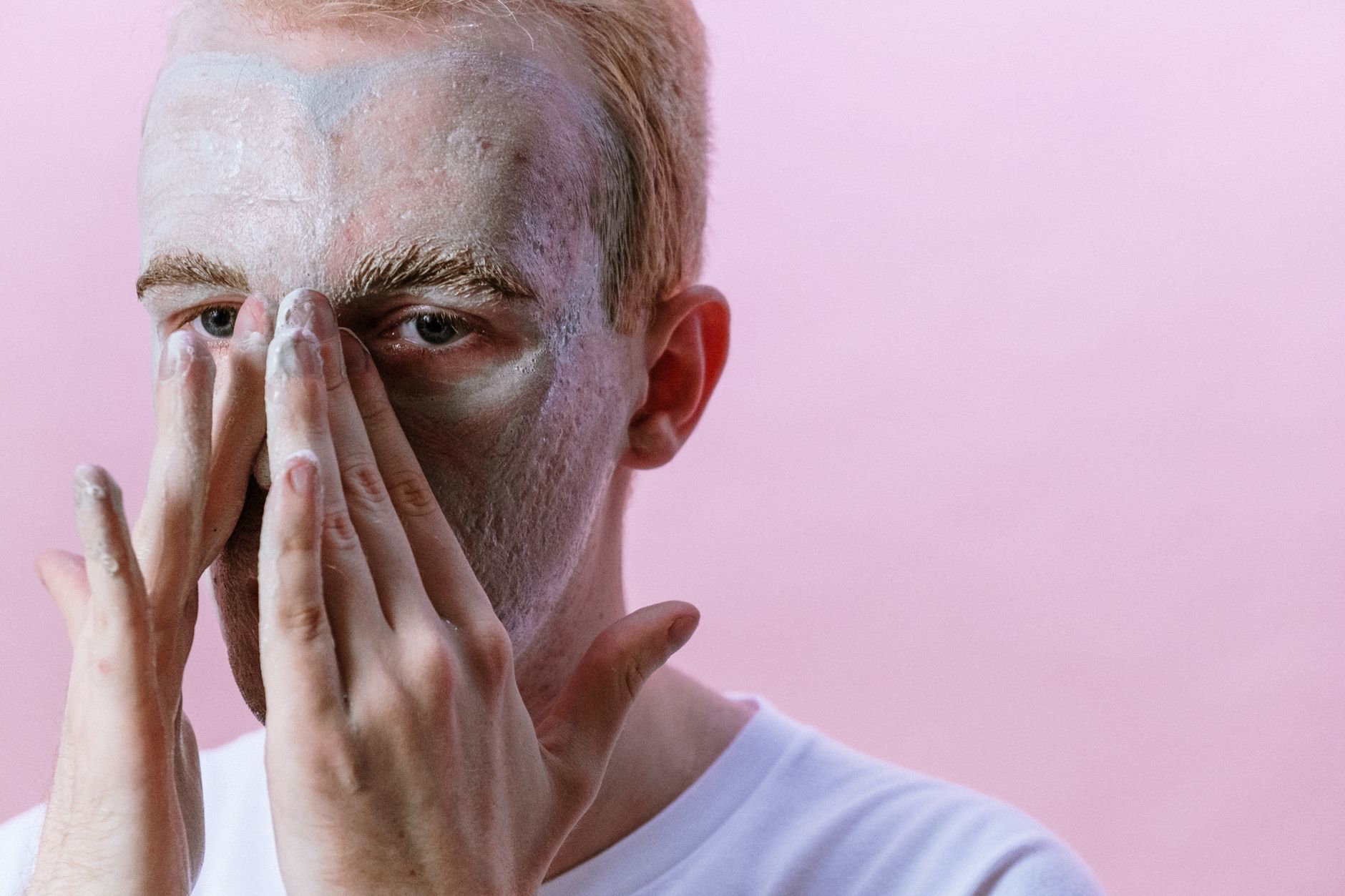
Niacinamide, also called nicotinamide, gives modest help for mild-to-moderate acne, mainly as an add-on to proven treatments. Trials show fewer lesions, lower sebum, and calmer inflammation, but major guidelines do not rank it as first-line therapy. Researchers have tested topical niacinamide at 2-5% concentrations, often twice daily for 4 to 12 weeks. The pattern is consistent: useful support for oily skin and red or dark marks, strongest beside benzoyl peroxide, retinoids, or combination antibiotic care.
Medical information disclaimer: This article is for general educational purposes only and does not provide medical advice, diagnosis, or treatment. Always consult a physician or other qualified health professional about symptoms, medications, tests, or treatment decisions.
Table of Contents
- How does niacinamide act on breakouts?
- What do the clinical trials show?
- Who benefits most?
- How should you use it?
How does niacinamide act on breakouts?
Niacinamide touches several acne pathways at once. An Antioxidants mechanistic review via NIH PMC explains suppression of inflammation, including leukocyte chemotaxis and lysosomal enzyme release, plus lower sebum output, stronger barrier function, and bacteriostatic activity relevant to Cutibacterium acnes colonization mechanistic review.
Less oil means fewer clogged pores. A stronger barrier means less water loss and irritation. Less inflammation means smaller, less painful papules and pustules.
What do the clinical trials show?
In a double-blind trial, 76 adults with moderate inflammatory acne used 4% nicotinamide gel or 1% clindamycin gel twice daily for 8 weeks, with comparable improvement, according to the U.S. National Library of Medicine PubMed record for Shalita et al.: 82% improved on nicotinamide versus 68% on clindamycin, with similar papule, pustule, and severity reductions the PubMed trial record.
Sebum studies point the same way. In two 2006 trials described in the Merck Millipore abstract record for Draelos et al., 2% niacinamide lowered facial sebum versus placebo after 4 weeks in 100 Japanese subjects and in a 6-week split-face test in 30 Caucasian subjects the Draelos sebum abstracts. A 12-week split-face trial in adults aged 18-40 found 2.5% benzoyl peroxide plus 5% niacinamide reduced lesions and casual sebum from baseline and beat benzoyl peroxide plus vehicle for noninflammatory lesions, as reported in the Journal of Clinical and Aesthetic Dermatology the benzoyl peroxide-niacinamide comparison.
Who benefits most?
Oily skin with blackheads, whiteheads, and mild inflammatory spots fits best. The same Journal of Clinical and Aesthetic Dermatology combination trial found niacinamide prevented the rise in postinflammatory hyperpigmentation scores seen with benzoyl peroxide alone and reduced post-acne erythema the benzoyl peroxide-niacinamide comparison.
That makes it practical for readers prone to lingering red marks or brown spots. Severe nodules, cysts, or scarring disease need standard medical care. Niacinamide can support that care, not replace it.
How should you use it?
Pick a leave-on product with 2-5% niacinamide and use it consistently. Twice-daily use proved feasible in acne trials, with only mild transient burning, pruritus, or dryness reported, according to Journal of Clinical and Aesthetic Dermatology safety assessments the trial safety report.
The American Academy of Dermatology's 2024 acne guidelines judged evidence insufficient to recommend for or against niacinamide, while keeping strong recommendations for benzoyl peroxide, topical retinoids, topical antibiotics in combination, and oral isotretinoin for severe disease. Keep niacinamide as support beside one proven first-line treatment.
- Cleanse gently, then apply niacinamide to the full oily zone
- Layer benzoyl peroxide, retinoid, or prescribed treatment as directed
- Use moisturizer and daily sunscreen to protect healing marks
- Stop and seek care for spreading pain, swelling, deep lumps, or scarring