
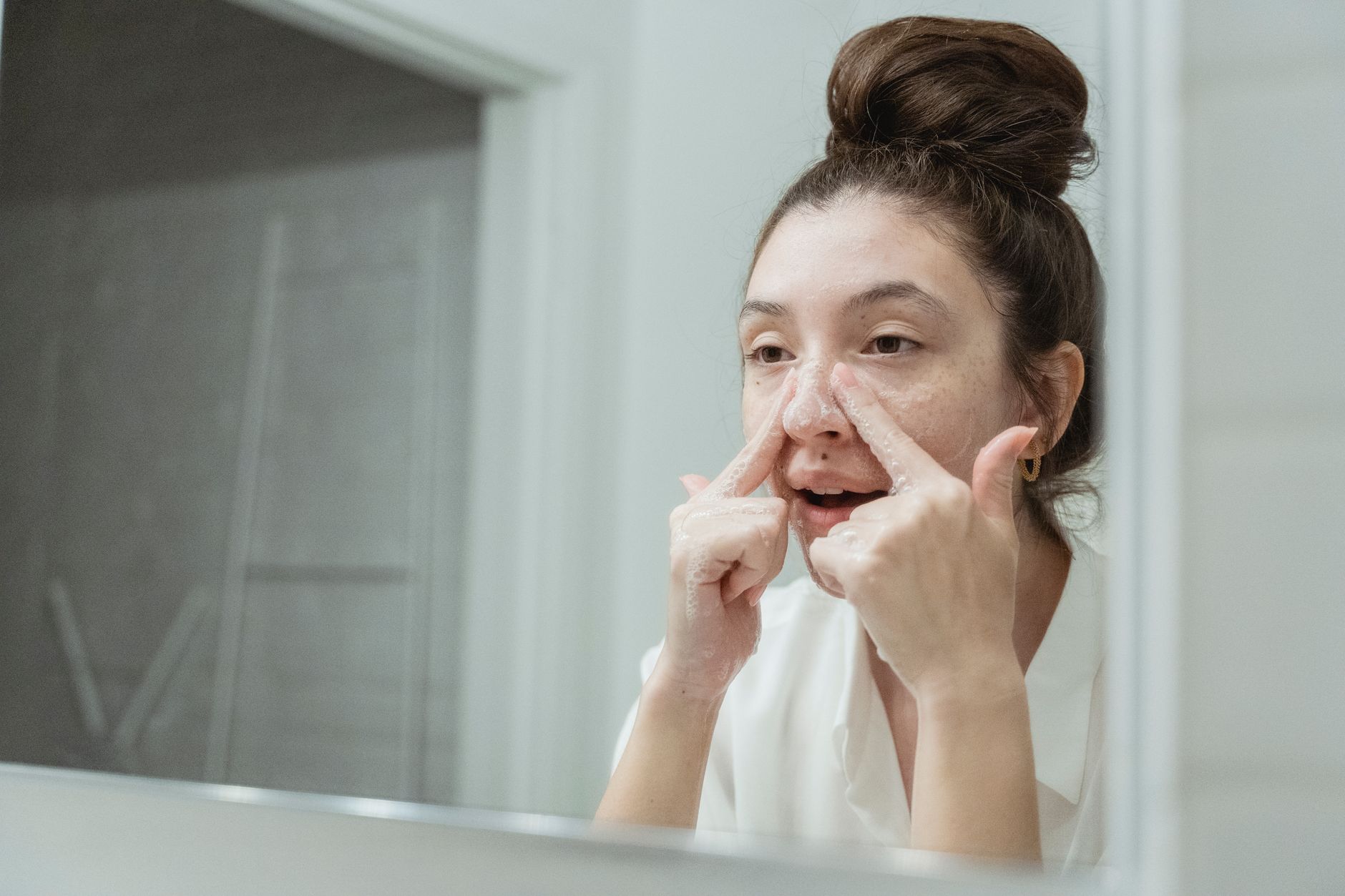
You need 2.5% benzoyl peroxide in most cases. Higher strengths clear about the same amount of acne. Benzoyl peroxide is a leave-on or wash-off treatment that lowers acne bacteria on the skin. The Federal Register final rule via FDA classifies 2.5% to 10% as generally recognized as safe and effective for over-the-counter acne use the FDA final rule.
Medical information disclaimer: This article is for general educational purposes only and does not provide medical advice, diagnosis, or treatment. Always consult a physician or other qualified health professional about symptoms, medications, tests, or treatment decisions.
Table of Contents
- Why 2.5% works as well as 10%
- What stronger formulas trade off
- When combinations clear more acne
- How should sensitive skin start?
- Is benzene in benzoyl peroxide a concern?
Why 2.5% works as well as 10%
A double-blind trial in 153 patients with mild to moderately severe acne found 2.5% gel beat its vehicle and matched 5% and 10% gels for inflammatory papules and pustules, according to Mills and colleagues the trial report. Papules are red bumps without pus. Pustules are bumps with visible pus.
A later literature review reached the same result across strengths. It concluded benzoyl peroxide is equally effective at 2.5%, 5% and 10%, according to the Expert Opinion on Pharmacotherapy review the review summary. Stronger does not mean faster or more complete clearing.
What stronger formulas trade off
Higher concentrations cause more dryness, redness, scaling and peeling. A small percentage of users develop contact dermatitis and must stop treatment.
That irritation can limit consistent use. Consistent use matters because acne responds over weeks, not overnight.
When combinations clear more acne
Benzoyl peroxide works better paired with topical retinoids, antibiotics or tertiary amines. Retinoids are vitamin A-based products that unclog pores. Tertiary amines are added ingredients that help the formula penetrate.
The American Academy of Dermatology strongly recommends benzoyl peroxide alone or in fixed-dose combinations with retinoids and antibiotics for acne in patients age 9 and older. Fixed-dose means both active ingredients sit in one product. Benzoyl peroxide kills Cutibacterium acnes with oxidizing reactive oxygen species. It does not create bacterial resistance, and paired with topical or oral antibiotics it suppresses resistant strains.
How should sensitive skin start?
Start with about 2.5% if your skin burns, stings or turns red easily. A lower strength gives the same acne benefit with less irritation for most people. Use this simple start-up check:.
- Test a small facial area for about three days before full use
- Prefer a wash-off cleanser over a leave-on gel or cream
- Stop and get care for spreading rash, swelling, severe burning or blistering
Is benzene in benzoyl peroxide a concern?
FDA testing of 95 benzoyl peroxide acne products found over 90% had undetectable or extremely low benzene, according to FDA the benzene safety update. Only six elevated lots were recalled.
FDA judged cancer risk very low even with decades of daily use. Store products at room temperature and discard discolored or expired tubes.