
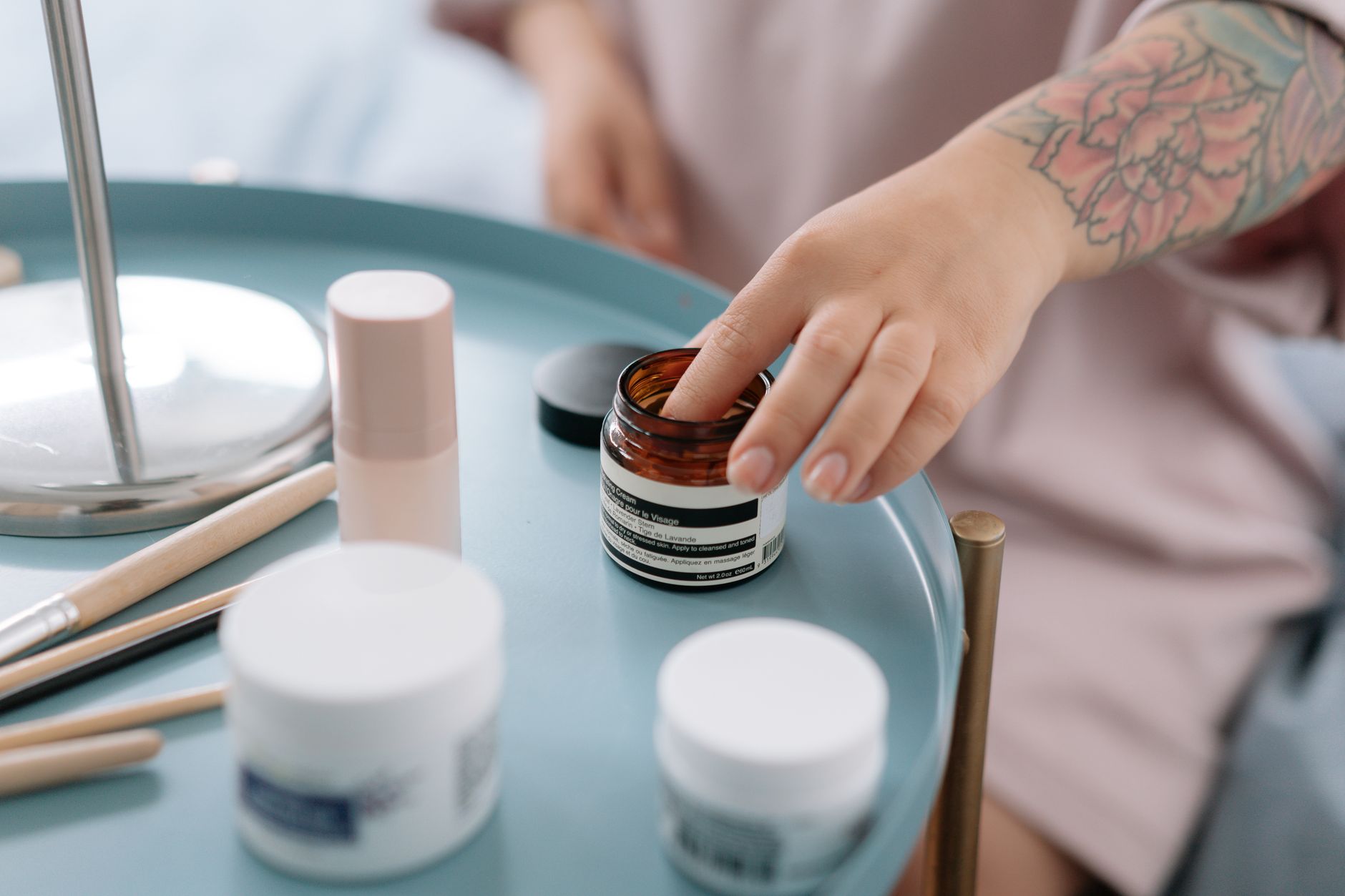
For persistent, moderate-severe, or scarring acne, prescription tretinoin is usually the right choice with medical supervision. For mild acne, sensitive skin, or first-time retinoid use, lower-irritation retinol or retinal often makes a better start. Retinoids are vitamin A derivatives that help unclog pores and calm acne. Retinol and retinal need skin conversion to become active, while tretinoin is already active.
Medical information disclaimer: This article is for general educational purposes only and does not provide medical advice, diagnosis, or treatment. Always consult a physician or other qualified health professional about symptoms, medications, tests, or treatment decisions.
Table of Contents
- How strength and irritation compare
- Why dermatologists rely on tretinoin for acne
- Where retinal fits for acne-prone skin
- How do you choose and use one safely?
How strength and irritation compare
Retinol needs two skin conversions to become active retinoic acid. Retinaldehyde needs one, and tretinoin needs none. Potency generally rises in that order, while tolerance falls. That trade-off matters for daily use.
According to the peer-reviewed review in Advances in Therapy, stronger conversion efficiency means more activity but less tolerance. Beginners often tolerate milder options better. A 125-person trial compared 0.05% retinaldehyde with 0.05% retinoic acid. Both similarly improved wrinkles and roughness, but tretinoin caused more irritation. The result supports retinal as a middle option.
Why dermatologists rely on tretinoin for acne
Tretinoin normalizes shedding inside pores, reduces plugging, helps drain sebum, and suppresses inflammatory signals. That action means fewer comedones and fewer inflamed lesions. U.S.
acne guidance strongly recommends topical retinoids alone or with benzoyl peroxide or antibiotics, says the American Academy of Family Physicians summary of AAD guidance, because retinoids clear precursor microcomedones and calm inflammation. They target blackheads, whiteheads, and early lesions before they swell. Tretinoin gel microsphere is FDA-labeled as prescription treatment for acne vulgaris in adults and children 12 years and older. A prescription visit also helps when acne scars, spreads, or resists store products.
Where retinal fits for acne-prone skin
Retinal works faster than retinol because it needs only one conversion step. It also tends to irritate less than tretinoin, which helps sensitive or inconsistent users stay with treatment. Retinaldehyde also showed direct antibacterial activity against Propionibacterium acnes in laboratory and small human-skin tests, reports the Dermatology study by Pechère and colleagues, unlike retinol and tretinoin in those tests.
That property is especially relevant for acne-prone skin. The evidence base for acne is still strongest for tretinoin. Consider retinal for mild comedonal breakouts, maintenance after prescription care, or when tretinoin irritation limits use.
How do you choose and use one safely?
Sun protection is essential during treatment. The National Library of Medicine DailyMed label warns users to avoid sunlight and sunlamps and use sunscreen plus protective clothing, because redness, peeling, dryness, and burning are common. Apply only to clean, intact skin at night unless directed otherwise.
- Mild blackheads, sensitive skin, or first retinoid: start with retinol or retinal.
- Persistent, moderate-severe, painful, or scarring acne: ask a clinician about prescription tretinoin.
- Use a pea-sized amount at night, moisturize, and protect skin every morning.
- Stop on sunburned or eczematous areas and seek care for severe burning, swelling, or blistering.