
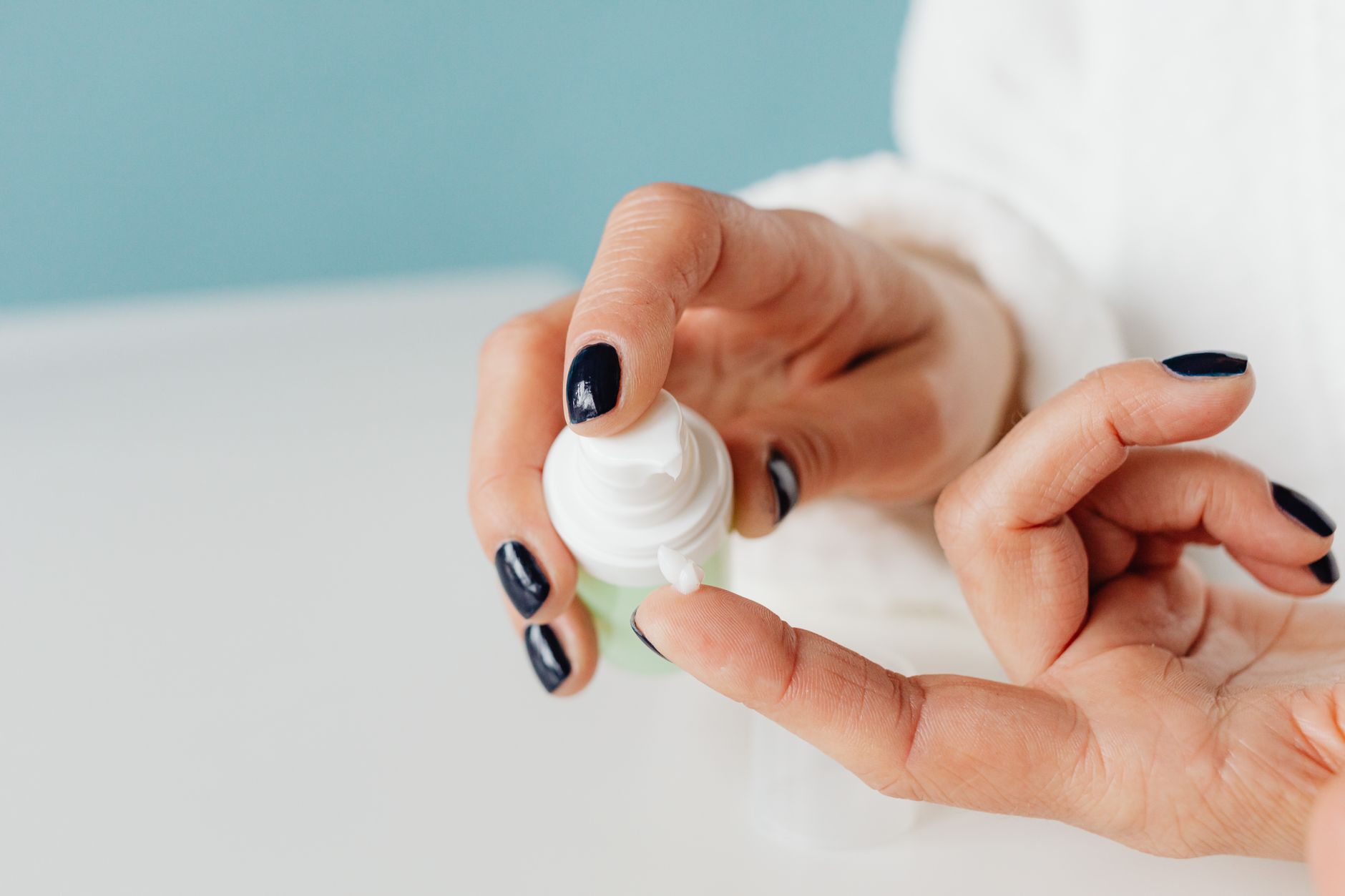
Yes, benzoyl peroxide works on many cases of facial acne. It reduces inflammatory pimples and helps clear mild-to-moderate breakouts. Benzoyl peroxide is an over-the-counter treatment found in washes, gels, creams and spot treatments. StatPearls reports it kills Cutibacterium acnes by releasing oxygen free radicals that damage bacterial proteins, while also loosening plugs and shedding dead skin without causing bacterial resistance StatPearls review.
Medical information disclaimer: This article is for general educational purposes only and does not provide medical advice, diagnosis, or treatment. Always consult a physician or other qualified health professional about symptoms, medications, tests, or treatment decisions.
Table of Contents
- Which breakouts does it treat best?
- What strength should you start with?
- How do you use it with less irritation?
- What safety issues should you know?
Which breakouts does it treat best?
Benzoyl peroxide is used mainly for mild-to-moderate inflammatory facial papules and pustules. These are red, tender bumps and pus-filled pimples. It also helps some noninflammatory lesions such as clogged pores.
The American Academy of Dermatology gives benzoyl peroxide a strong recommendation for acne in patients age 9 and older, alone or combined with retinoids and topical antibiotics to improve clearance and limit resistance, according to an American Academy of Family Physicians summary of the guidelines AAFP summary of AAD guidelines. Combination use can help when breakouts do not clear with one product. A treatment trial found 2.5% benzoyl peroxide reduced both inflammatory and noninflammatory lesions, with added benefit for clogged pores when 5% niacinamide was included.
What strength should you start with?
Products range from 2.5% to 10%, but stronger is not clearly better for the face. Reviews find no significant efficacy difference across that range. Dermatology guidance favors starting at 2.5% to 5% once or twice daily.
Starting low gives similar lesion reduction with less dryness and redness. You can adjust frequency based on how your skin responds. A wash may suit oily or widespread breakouts, while a gel or cream may suit targeted spots.
How do you use it with less irritation?
Dryness, redness, peeling and burning are common, especially at first. The National Library of Medicine product label advises avoiding eyes and lips, limiting sun, using sunscreen and moisturizer, and using only one acne topical if irritation occurs DailyMed product label.
A simple routine helps: Benzoyl peroxide can also bleach hair, towels, pillowcases and clothing. Let it dry fully before contact with fabric. White cotton bedding and towels reduce visible marks.
- Apply a thin layer once daily at first, then increase only if tolerated
- Keep product away from eyes, lips and broken skin
- Use moisturizer and daily sunscreen during treatment
- Pause other acne topicals if peeling or burning starts
What safety issues should you know?
Most reactions are local irritation that improves with lower strength or less frequent use. Rare serious hypersensitivity is different from expected redness and peeling. The FDA warns these products can rarely cause throat tightness, breathing difficulty, facial swelling or collapse.
Benzene contamination has drawn attention because benzoyl peroxide can break down under poor storage. FDA testing of 95 products found more than 90% had undetectable or very low benzene, while six lots were recalled. Risk appears tied to small-batch storage rather than failure of most products. Stop use and seek urgent care for throat tightness, breathing difficulty, facial swelling or collapse.