
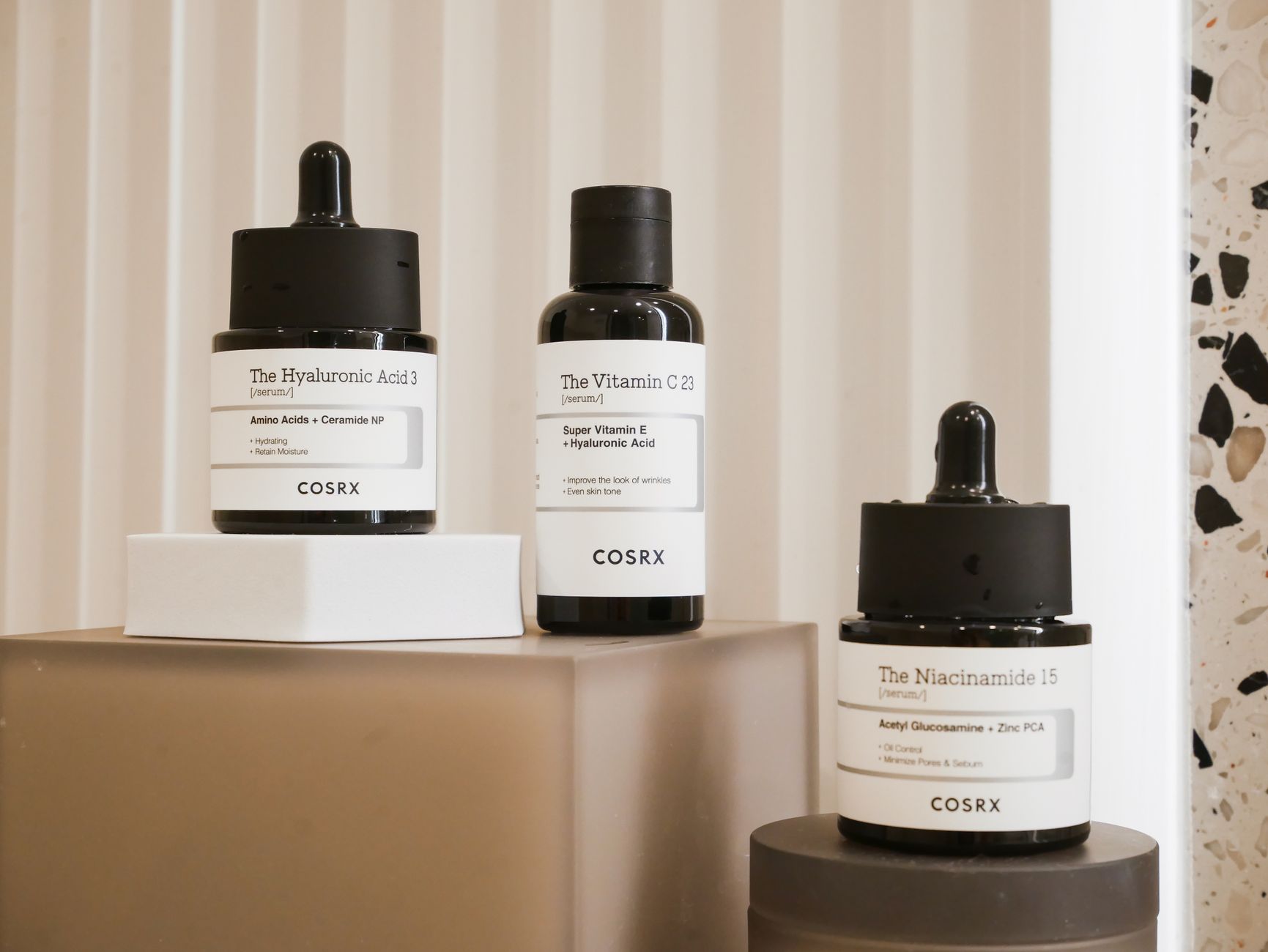
Yes. Niacinamide can help calm visible redness before sunscreen, and it layers well underneath it.
Niacinamide is a form of vitamin B3 used in serums and moisturizers to support the skin barrier and reduce irritation. It does not replace sunscreen or block ultraviolet rays itself. Think of it as a calming base layer, with broad-spectrum SPF still applied last.
Medical information disclaimer: This article is for general educational purposes only and does not provide medical advice, diagnosis, or treatment. Always consult a physician or other qualified health professional about symptoms, medications, tests, or treatment decisions.
Table of Contents
- What does the evidence show for redness?
- Why put it under sunscreen?
- Which strength suits sensitive or acne-prone skin?
- How should you layer it in the morning?
What does the evidence show for redness?
In a 12-week double-blind split-face trial in 50 women ages 40-60, a 5% niacinamide moisturizer significantly improved red blotchiness as well as wrinkles, spots and texture, and was well tolerated, according to the Wiley trial report. The split-face design compared treated and untreated sides on the same person.
A later randomized controlled trial in healthy adults found one month of niacinamide-containing serum increased skin hydration and reduced facial redness, without significantly changing melanin or sebum levels, according to the Life study report. That pattern fits morning use: less flushing and dryness before sun exposure.
Why put it under sunscreen?
Red, acne-prone skin often has a weak moisture barrier. Water loss and irritants then cause more stinging, tightness and blotchiness during the day. Cleveland Clinic dermatologists list calming redness and supporting the lipid moisture barrier among niacinamide benefits.
Niacinamide also has anti-inflammatory and antibacterial activity relevant to acne and irritation. A peer-reviewed mechanistic review reports that 2%-5% topical niacinamide can reduce sebum production in clinical studies. Less inflammation plus better hydration can make sunscreen more comfortable to wear.
Which strength suits sensitive or acne-prone skin?
Lower strengths are usually the safer starting point for redness. Dermatology sources caution that formulas around 10% or higher increase stinging, redness or flushing risk in sensitive or rosacea-prone skin. Beginners often do best with 2%-5%.
Baylor College of Medicine dermatologist guidance recommends niacinamide under 5% for inflammation and advises applying the serum after cleansing and toning but before moisturizer and sunscreen, according to the Baylor skin-care guidance. Patch-test first on the jawline or behind the ear. Higher percentages are not automatically better for calming skin. If redness, heat or stinging rises after switching to 10%, return to a lower strength or use it less often.
How should you layer it in the morning?
Apply thinnest products first and sunscreen last. Let each layer absorb for about a minute so sunscreen forms an even film.
Niacinamide does not replace sunscreen, and dermatology guidance places serums and moisturizer first with sunscreen last, according to the AAD sun-protection guidance. If a sunscreen pills over serum, use less serum or choose a lighter gel formula.
- Cleanse gently, then apply toner if you use one.
- Apply a pea-sized amount of niacinamide serum to dry or slightly damp skin.
- Follow with moisturizer, especially if skin feels tight or flakes.
- Finish with broad-spectrum SPF 30+ as the final layer, then reapply about every two hours outdoors or after swimming or heavy sweating.