
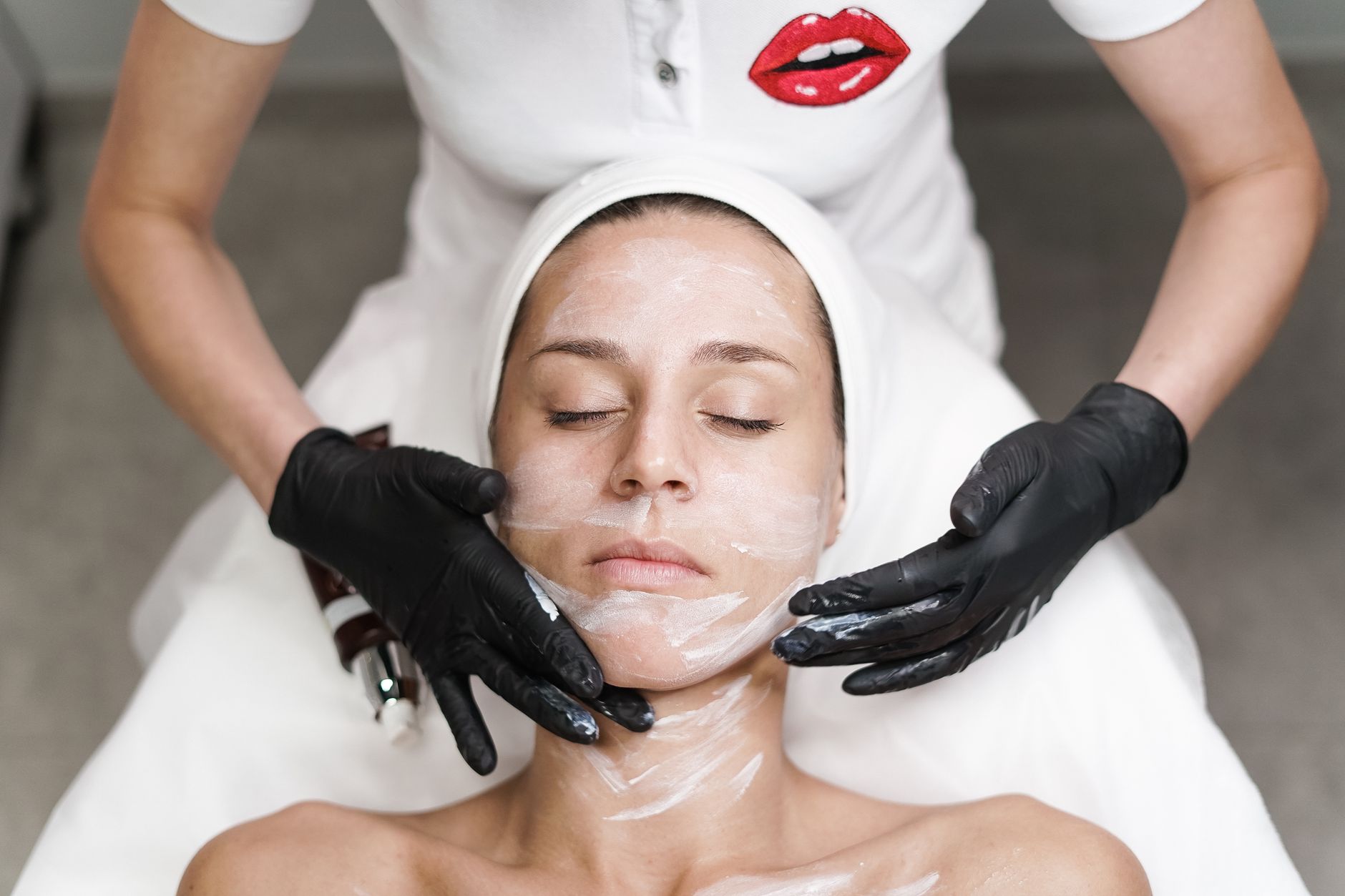
Benzoyl peroxide helps most mild-to-moderate pimples, it does not make acne worse long term. Early redness and peeling can make skin look worse for a few weeks.
Benzoyl peroxide is a topical acne treatment that kills acne-causing bacteria on skin and in pores. It works best with steady daily use rather than spot use for one night. Expect visible change to take weeks, not days.
Medical information disclaimer: This article is for general educational purposes only and does not provide medical advice, diagnosis, or treatment. Always consult a physician or other qualified health professional about symptoms, medications, tests, or treatment decisions.
Table of Contents
- How does it clear pimples?
- Why can skin look worse at first?
- How should you start it?
- What side effects need attention?
How does it clear pimples?
Benzoyl peroxide treats mild-to-moderate acne by killing or preventing growth of acne-causing bacteria on skin and in pores, according to the Cleveland Clinic drug page. Less bacteria means fewer clogged pores and less inflammation. That action targets current pimples and helps prevent new ones.
The American Academy of Dermatology gives it a strong recommendation for acne in adolescents and adults, alone or with retinoids or topical antibiotics. The Journal of Drugs in Dermatology reports it kills bacteria without generating bacterial resistance. Combined with a topical antibiotic, it reduced total P. acnes counts by 99.7% after one week, including resistant strains.
Why can skin look worse at first?
Acne often looks worse at first because of redness and peeling, according to the Kaiser Permanente health encyclopedia. Dry patches can make bumps more visible. This phase does not mean the treatment is failing.
Users may need 4-6 weeks of consistent use before pimples improve. Stopping during week two restarts that wait. Judge results only after steady use.
How should you start it?
Practical use is once or twice daily after washing and patting dry, according to the MedlinePlus drug page. Start once daily to let skin adjust. Keep it away from eyes, lips, and mouth, and use sunscreen during treatment.
- Wash gently, pat dry, then apply a thin layer.
- Test first on one or two small areas for 3 days.
- Start once daily, then increase only if skin tolerates it.
- Apply sunscreen in daytime and avoid excess sun.
What side effects need attention?
MedlinePlus lists common harms as dryness, redness, burning, itching, peeling, and stinging. Severe allergy, blistering, swelling, and intense irritation are rare but need emergency care. Stop use and seek care if breathing becomes difficult or swelling spreads.
Benzoyl peroxide also bleaches hair and dyed fabrics and towels, according to the DailyMed drug label. LiVDerm reporting on FDA testing found over 90% of 95 tested products had undetectable or very low benzene, with six products recalled. Wash hands after applying leave-on products and keep the product off pillowcases, towels, and clothes.