
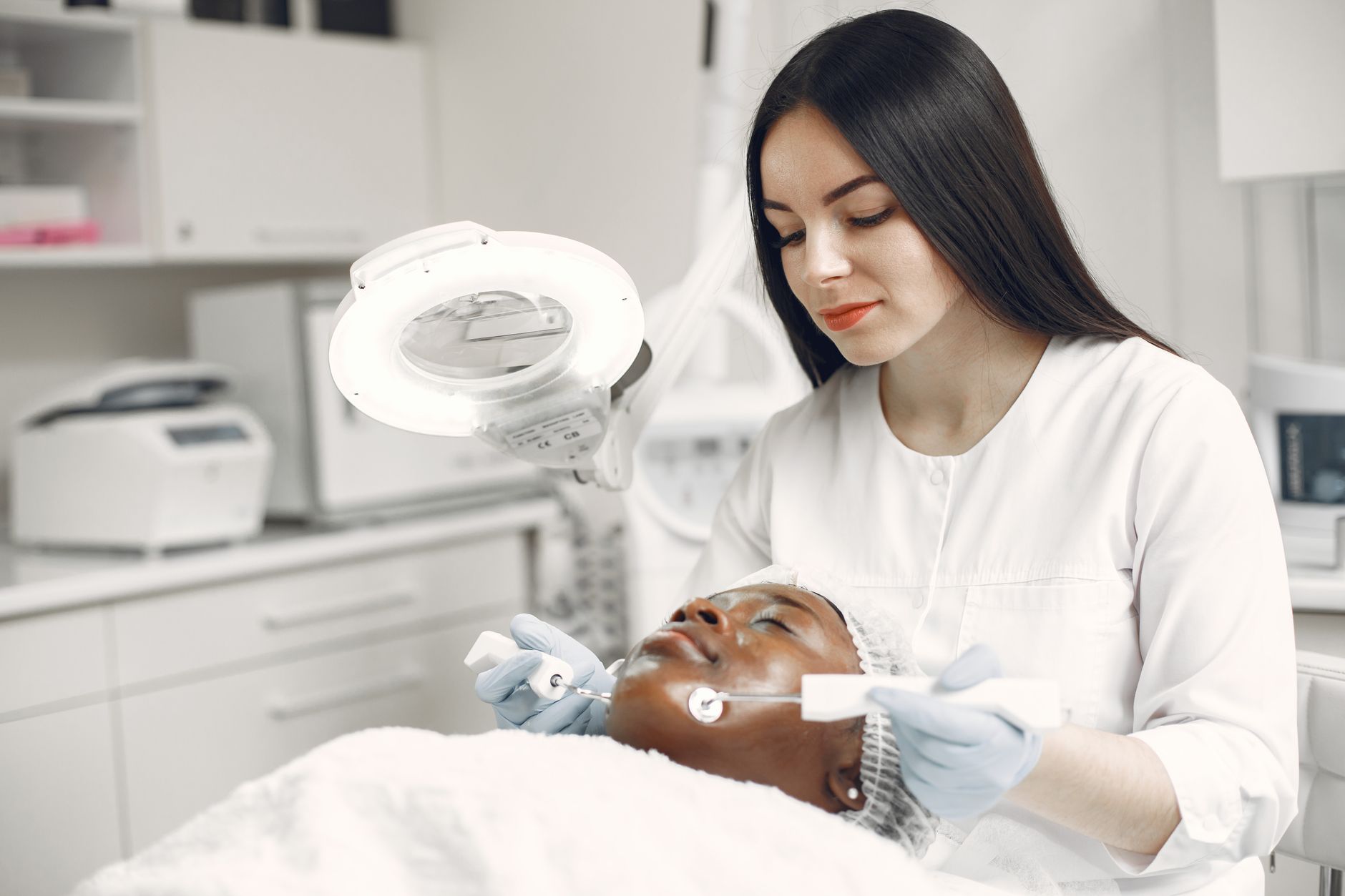
Dermatologists say you can prevent fall breakouts by keeping skin hydrated without clogging pores. Switch to a gentle cleanser and a light oil-free moisturizer labeled noncomedogenic, which means it will not block pores. A breakout is a pimple that forms when oil and dead cells plug a pore. Cooler air plus indoor heat dries skin, so skin makes extra oil and sheds cells that build up and trap bacteria.
Medical information disclaimer: This article is for general educational purposes only and does not provide medical advice, diagnosis, or treatment. Always consult a physician or other qualified health professional about symptoms, medications, tests, or treatment decisions.
Table of Contents
- Why does fall weather trigger breakouts?
- How should you wash and moisturize in fall?
- Which daily habits keep pores clear?
- How do you treat pimples without over-drying skin?
- Do you still need sunscreen in fall?
Why does fall weather trigger breakouts?
Dry autumn air pulls water from skin. Heaters lower indoor humidity and increase that loss. Skin responds with more oil, and dry flakes mix with oil to plug pores.
Plugged pores trap bacteria and form red pimples, whiteheads, or blackheads. People with oily or acne-prone skin notice this shift first. Cheeks, forehead, chin, and jawline often flare together.
How should you wash and moisturize in fall?
Wash twice daily with a mild cleanser. According to the Sean Weiss, MD practice, a gentle cleanser plus a light oil-free, noncomedogenic moisturizer hydrates fall skin without causing breakouts, as detailed in fall acne care tips. Avoid fragranced soaps, harsh detergents, and alcohol products that strip the barrier. Blot skin dry instead of rubbing.
At night, use a thicker cream with ceramides or a thin layer of petroleum jelly. Cleveland Clinic dermatologist Jennifer Lucas advises ceramides to restore the moisture barrier when chapping starts, as explained in winter skincare guidance. Use the heavier product at night and the lighter oil-free lotion in the morning. Keep showers warm rather than scorching hot, run a humidifier, and drink plenty of water.
Which daily habits keep pores clear?
Hands carry oil and germs to skin. Do not touch your face, pick pimples, or rest your chin in your hand.
Choose makeup labeled noncomedogenic so it does not clog pores. Change items that touch your face before oil and bacteria transfer: The American Academy of Dermatology recommends frequent washing of pillowcases, hats, and other items touching acne-prone skin in its acne skin-care guidance.
- change sheets weekly and pillowcases two to three times weekly
- wash hats, scarves, headbands, and workout gear often
- clean phone screens, glasses, and makeup brushes regularly
How do you treat pimples without over-drying skin?
Use a small amount of benzoyl peroxide, adapalene, azelaic acid, or salicylic acid on surface pimples. Mayo Clinic lists benzoyl peroxide as a mainstay acne treatment. More product is not better because stronger spot treatment increases dryness, redness, and peeling.
Apply treatment only to pimples after moisturizer dries. Stop and simplify care if skin stings, flakes, or turns red. See a dermatologist if breakouts persist despite steady over-the-counter care.
Do you still need sunscreen in fall?
Yes. Fall sun still burns and damages skin, even on cloudy days. Snow and bright sidewalks reflect rays onto face, neck, and hands.
Wear daily broad-spectrum SPF 30 or higher on uncovered skin. Reapply every two hours outdoors and after sweating. Pick an oil-free, noncomedogenic sunscreen for acne-prone skin.