
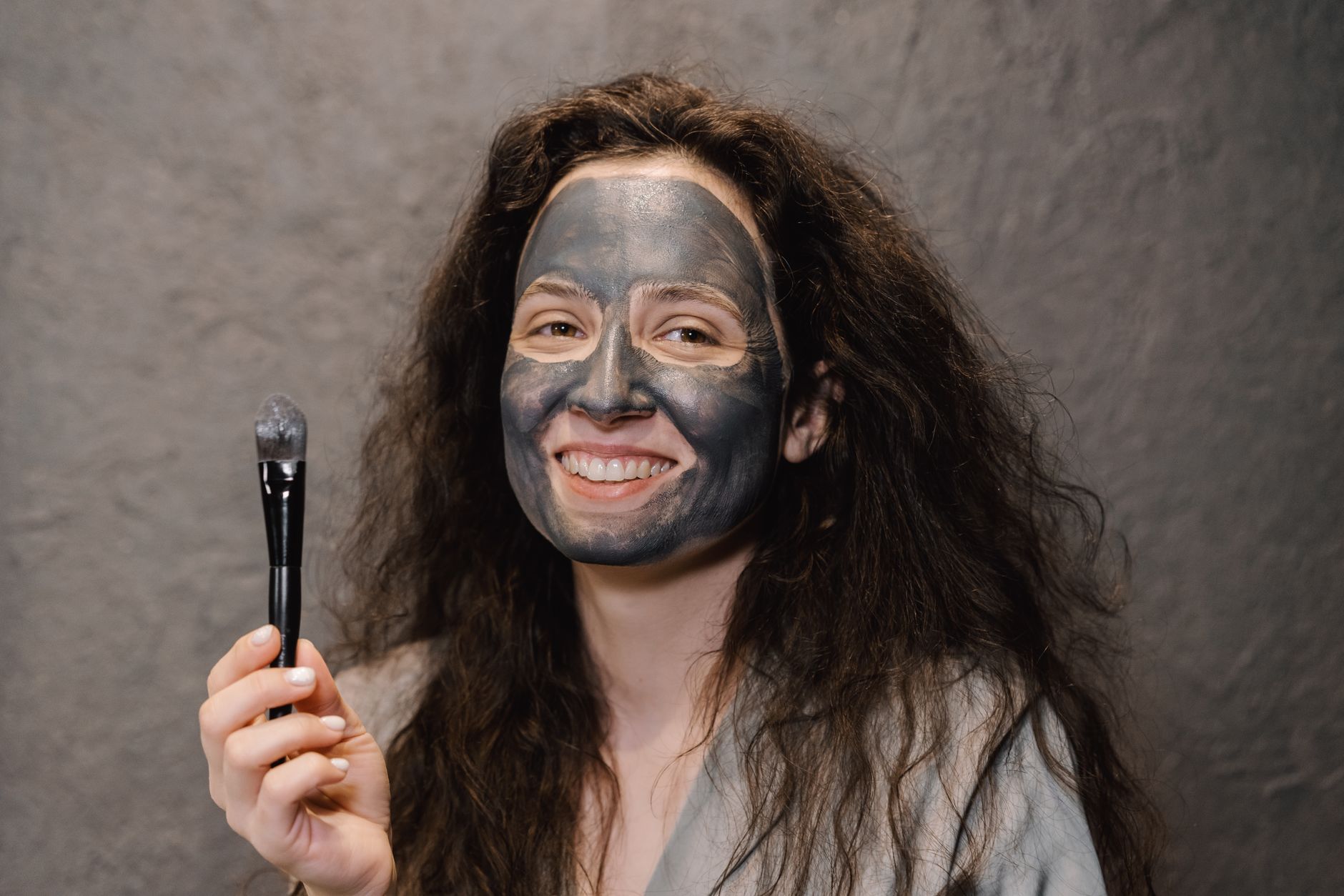
Charcoal masks do not clear acne. The evidence does not support them as an acne treatment.
A charcoal mask is a rinse-off or peel-off mask made with activated charcoal. Makers claim it lifts surface oil and bacteria from pores to reduce pimples. Acne forms when dead skin cells, excess oil and bacteria become trapped inside pores.
Medical information disclaimer: This article is for general educational purposes only and does not provide medical advice, diagnosis, or treatment. Always consult a physician or other qualified health professional about symptoms, medications, tests, or treatment decisions.
Table of Contents
- How are charcoal masks supposed to work?
- What does the research show?
- What do dermatologists recommend instead?
- What are the risks, and how can you reduce them?
How are charcoal masks supposed to work?
Healthline explains that trapped oil, cells and bacteria create pimples, so charcoal is marketed as drawing surface oil and bacteria out of pores, in Healthline's medically reviewed explainer. The idea is cleaner-looking pores and fewer pimples.
Cleveland Clinic dermatologist Shilpi Khetarpal says masks only support basic care. They can push ingredients close to skin for a short-term glow. They do not replace cleansing, moisturizer, sunscreen or acne treatment.
What does the research show?
University of Miami researchers reported little to no clinical evidence for activated charcoal's purifying, exfoliating or anti-aging claims in skin products, as covered by Popular Science in Popular Science's December 2019 report. The report addressed charcoal beauty and skin-care claims directly.
Academic medical center UPMC reaches the same result. It states studies have not proved specific skin benefits from charcoal. It finds no evidence charcoal can purify skin, exfoliate it or reverse aging.
What do dermatologists recommend instead?
The American Academy of Dermatology's 2024 acne guideline strongly recommends benzoyl peroxide, topical retinoids, topical antibiotics and isotretinoin for severe acne, with no charcoal mask listed, as reported in MedicalXpress's coverage of the dermatology guideline. Topical means applied to the skin. These are proven drug treatments, not cosmetic masks.
The FDA explains the legal difference in the FDA's cosmetic-versus-drug guidance. A product claiming to cure, mitigate or prevent disease such as acne is a drug. Drugs need premarket proof of safety and effectiveness, while ordinary cosmetic masks do not receive premarket approval.
What are the risks, and how can you reduce them?
Peel-off charcoal masks stick to skin, hair and blackheads. Cleveland Clinic dermatologist Melissa Piliang, in Health reporting, links removal to pain, redness, excess peeling, allergy and irritation.
Sensitive skin faces added risk of scarring or hyperpigmentation, meaning dark spots. Dermatologists advise these limits for oily or acne-prone users who still try charcoal:.
- Check the ingredient list for allergens before use.
- Patch-test first on a small area, such as behind the ear.
- Use only about once weekly.
- Avoid broken skin, eczema patches and rosacea areas.
- Moisturize right afterward.