
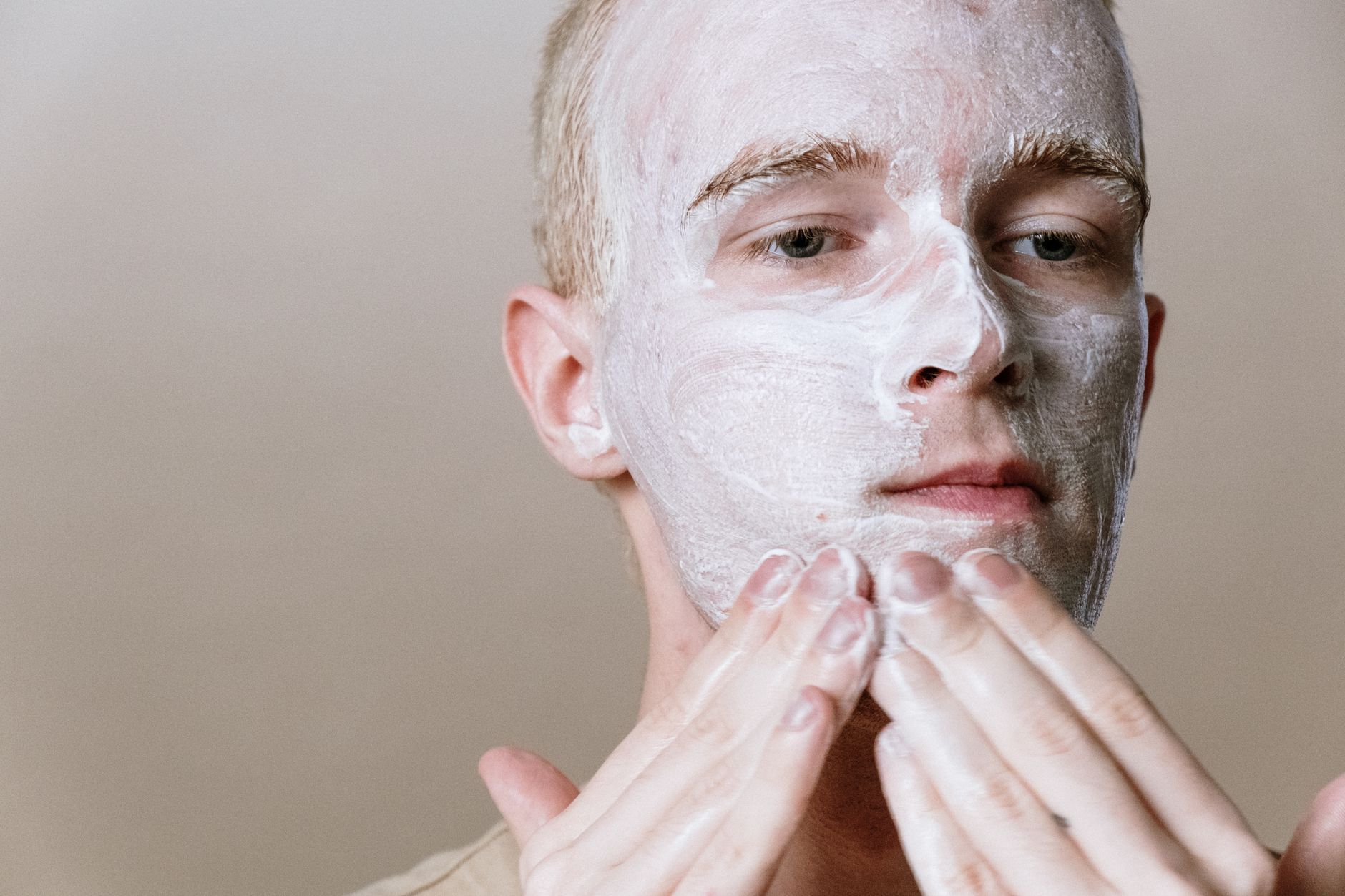
Current evidence supports Tatcha for gentle cosmetic care of acne-prone skin, not for clearing acne itself. Its acne-positioned products lack FDA-approved acne drugs and proven clearing action. Tatcha's Hadasei-3 complex is the brand's signature blend of double-fermented Akita rice, Uji green tea, and Okinawa algae. It supports hydration and barrier function, not the bacterial and clogged-pore drivers of breakouts.
Medical information disclaimer: This article is for general educational purposes only and does not provide medical advice, diagnosis, or treatment. Always consult a physician or other qualified health professional about symptoms, medications, tests, or treatment decisions.
Table of Contents
- What does Tatcha sell for acne-prone skin?
- Why isn't this the same as acne treatment?
- What does clear acne according to dermatologists?
- How should you use Tatcha if you break out?
What does Tatcha sell for acne-prone skin?
According to Tatcha's current official page, its "Skincare for Acne" collection serves acne-prone skin with an oil-free moisturizer and a vitamin-C serum for post-acne marks Tatcha acne collection. It is skincare for appearance and comfort, not an FDA-approved acne drug. The Sephora listing describes The Water Cream as a refillable, oil-free gel cream for normal, oily, and combination skin.
It hydrates while visibly refining pores and smoothing texture. The QVC listing describes Texture Tonic as a liquid exfoliating treatment with fruit AHAs, niacinamide, Japanese mugwort, and wild rose. It resurfaces skin, reduces visible redness, and controls excess oil.
Why isn't this the same as acne treatment?
Under FDA rules, a product that claims to mitigate acne is a drug and needs review and approval, while cosmetics may only cleanse, beautify, or alter appearance, according to the FDA warning reported by Healio FDA cosmetic claims warning. Tatcha's formula story stays on the cosmetic side. Its complex contains rice, green tea, and algae, with no benzoyl peroxide, retinoid, or antibiotic acne active.
That distinction matters at the store shelf. A moisturizer can reduce dryness, tightness, and oily shine. It cannot reliably kill acne bacteria, unclog deep pores, or change hormones. Buyers with mild clogged pores may like the feel, while buyers with painful, spreading, or scarring breakouts need a different category of care.
What does clear acne according to dermatologists?
The American Academy of Dermatology's 2024 acne guidelines strongly recommend topical benzoyl peroxide, retinoids, topical or oral antibiotic combinations, oral doxycycline, and isotretinoin for severe disease, as summarized by Dermatology Times AAD acne guideline summary. None of those signature acne actives appear in Hadasei-3. Green tea has early research interest, but limits are wide.
A 2022 Nutrients systematic review found green-tea preparations may modestly reduce some lesions, with small trials and large variance. No opened study shows the Tatcha Hadasei-3 regimen itself clears acne. For daily care, the American Academy of Dermatology advises gentle cleansing, noncomedogenic oil-free products, daily moisturizer and sunscreen, no picking, and prompt dermatologist care when breakouts persist AAD acne skin-care tips. That advice fits about 85% of teens plus many adults who face acne-prone skin.
How should you use Tatcha if you break out?
Use it as support, not as the clearing step. Choose oil-free, noncomedogenic textures when skin turns shiny by midday. Apply moisturizer and sunscreen daily, even when active breakouts make you want to dry skin out.
If dryness, burning, or more redness starts after adding exfoliating acids, pause the exfoliant and keep cleansing simple. Bring the full product list to the visit, including moisturizer, sunscreen, toner, makeup, and any prescription. That list helps the clinician spot pore-clogging products and irritant overlap fast.
- Cleanse gently morning and night, then moisturize; skip harsh scrubs and high-alcohol toners.
- Add one proven acne active at a time, as directed by a clinician or label.
- Do not pick, squeeze, or spot-treat with multiple strong acids at once.
- See a board-certified dermatologist if breakouts persist, spread, scar, darken, or harm sleep, school, or work.