
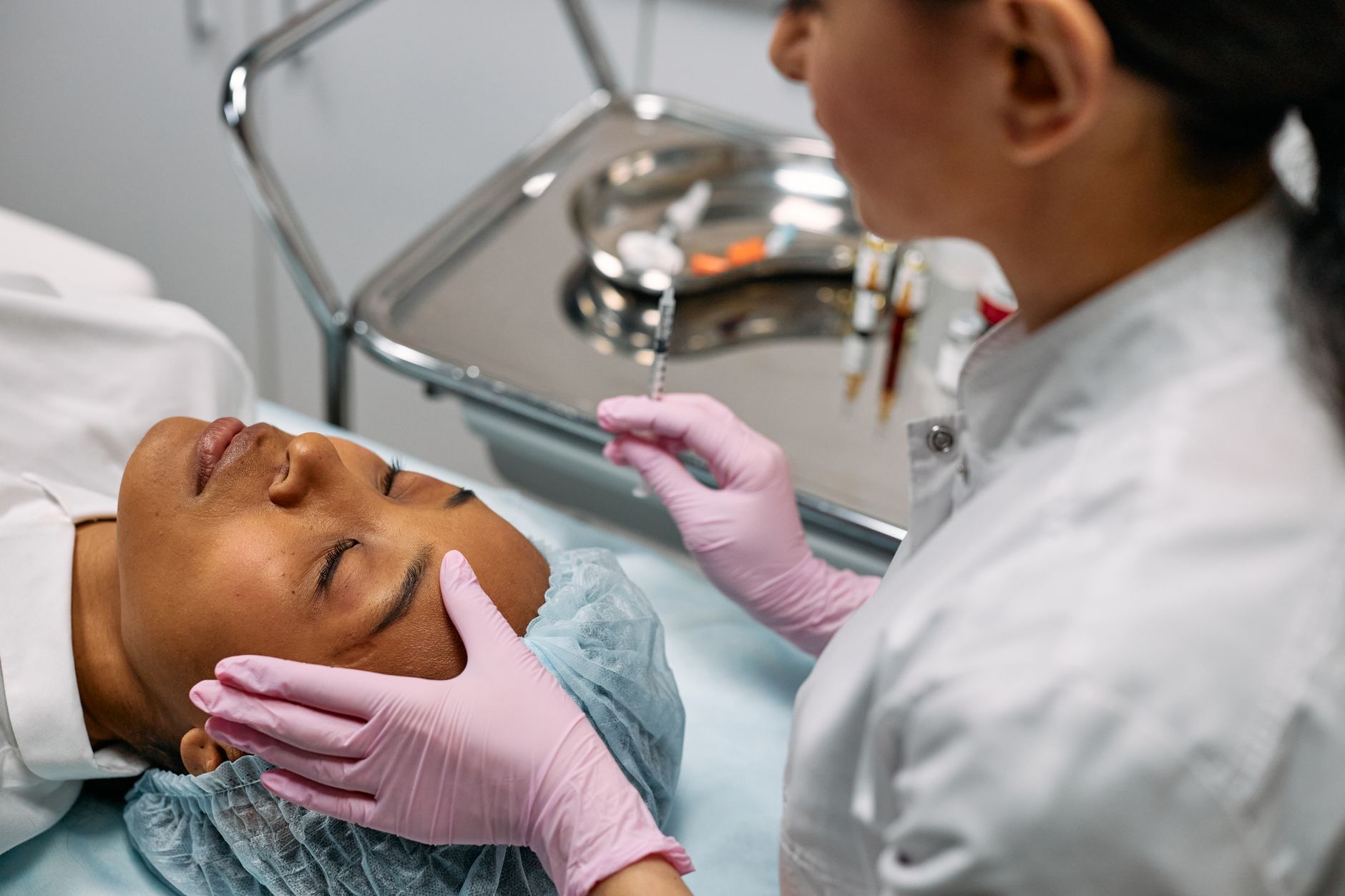
Track pain, swelling, skin texture, dose, and aftercare after a steroid pimple shot. Ask about lesion type, dose, risks, and follow-up, and verify clinician credentials and maintenance plan. A steroid injection for a pimple is a small corticosteroid shot injected directly into a large, painful nodule. The American Academy of Dermatology treats these shots as good clinical practice for larger bumps for faster inflammation and pain relief, according to the American Academy of Dermatology acne guideline.
Medical information disclaimer: This article is for general educational purposes only and does not provide medical advice, diagnosis, or treatment. Always consult a physician or other qualified health professional about symptoms, medications, tests, or treatment decisions.
Table of Contents
- Is this shot right for your breakout?
- What happens at the appointment?
- How fast should it improve?
- What side effects need watching?
- What should you ask and verify before leaving?
Is this shot right for your breakout?
Cleveland Clinic says dermatologists inject steroid medication directly into very large, painful or lingering nodules. The goal is less inflammation and faster healing, according to Cleveland Clinic's nodular acne guidance.
These shots target single severe lesions, not routine whiteheads. Cleveland Clinic notes nodular acne needs clinician care and can scar severely without treatment. The same source notes shots do not prevent future breakouts.
What happens at the appointment?
A survey of 100 dermatology professionals found the most common practice was 2.5 mg/mL triamcinolone. The typical amount was about 0.05 mL injected into the lesion center, reported by Mount Sinai authors in the Journal survey on intralesional triamcinolone.
Verify training, lesion type, exact dose, aftercare, and maintenance plan before consent. Ask why injection fits this bump and what daily treatment prevents the next one. Write the answers in your phone.
How fast should it improve?
GoodRx reports acne lesions generally improve within 3 to 7 days after cortisone injection. Flattening and pain reduction often start within 24 to 72 hours, with usually no repeat shot needed, according to GoodRx's review by Maria Robinson, MD.
Track pain, swelling, and flatness at 24 hours, 72 hours, and one week. Take same-light photos and note tenderness when touched. Call promptly if pain spikes, swelling spreads, or healing stalls.
What side effects need watching?
GoodRx lists skin thinning or atrophy with a visible divot. It also lists lighter or darker color changes at the injection site. Check the spot in daylight and note texture, dip, and color.
In the same Journal survey, 88.8% reported fewer than 1% of patients returned for adverse events. When atrophy occurred, 48.4% said it lasted over six months. Treat duration as the key limit to track.
What should you ask and verify before leaving?
Use a short checklist while the plan is fresh. It keeps dose, healing signs, and next steps clear.
Keep the injection note with your acne treatment record. Bring it to follow-up visits to link the shot to long-term care.
- Clinician name, credentials, and lesion diagnosis
- Drug name, strength, and amount injected
- Expected pain and swelling changes by day three and day seven
- Aftercare, warning signs, and contact method
- Maintenance plan for future breakouts