
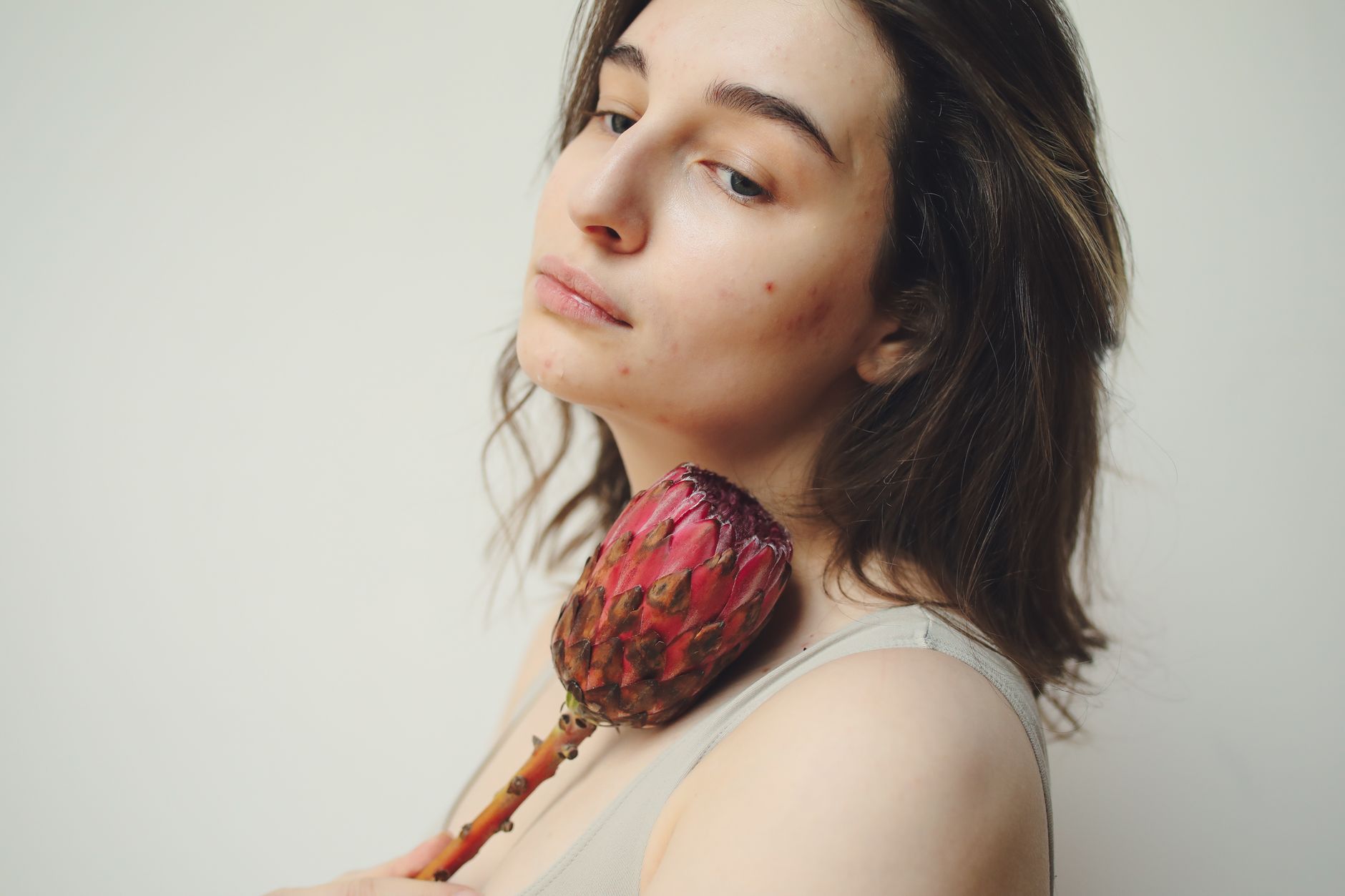
Track hormonal acne by recording lesions on a calendar by cycle day and comparing matching breakouts at the same points across cycles. A perimenstrual flare is acne that worsens around menses, often with tender, deep lesions in the late luteal week. Cleveland Clinic explains that hormone shifts across the cycle change oil and sebum production, which can produce tender period pimples, and skin that is more reactive to testosterone may break out at different cycle points Cleveland Clinic overview. That pattern makes timing as important as the lesions themselves.
Medical information disclaimer: This article is for general educational purposes only and does not provide medical advice, diagnosis, or treatment. Always consult a physician or other qualified health professional about symptoms, medications, tests, or treatment decisions.
Table of Contents
- Why cycle timing matters
- What period acne looks and feels like
- How to log breakouts by cycle day
- What history helps a dermatologist decide next
Why cycle timing matters
Oil production does not stay steady during the menstrual cycle. Shifts in hormones can raise sebum, clog pores, and leave skin more reactive in the days before bleeding. Sensitivity varies, so two people can flare at different cycle points.
The Mount Sinai survey reported in the Journal of Clinical and Aesthetic Dermatology found that 65% of adult women with recent acne said menses made acne worse survey report. The effect crossed age and ethnic groups, including women aged 18-29 and 30-49. A repeated personal log shows whether the same link fits the reader.
What period acne looks and feels like
Period acne often forms deep, painful cysts or papules rather than whiteheads. Lesions may lack a visible head and feel tender to touch. They cluster on the lower third of the face, including chin and jawline.
The same Cleveland Clinic source notes breakouts can also affect cheeks, neck, mouth area, shoulders, and back. Episodes can last from a few days to a few weeks. Location plus pain helps separate cycle-linked flares from brief surface clogging.
How to log breakouts by cycle day
Clearblue advises treating acne like periods on a calendar: mark lesions, cycle day, bleeding days, and lesion type each day Clearblue cycle advice. After several cycles, compare whether similar lesions return at the same points. A match points toward a hormonal trigger.
Timing narrows the search. Among those with perimenstrual symptoms, 56% worsened in the week before menses, 17% during menses, 3% after menses, and 24% throughout the cycle. The late luteal or premenstrual week is the highest-risk window to watch.
- Mark day 1 as the first day of bleeding.
- Note site, size, pain, cyst or papule, and days until clearing.
- Add cycle factors such as stress, sleep loss, new products, or contraceptive changes.
- Look for repeats, especially chin or jawline tenderness in the same premenses window.
What history helps a dermatologist decide next
Dermatology guidance for adult female acne starts with a full menstrual history, including premenstrual flares, cycle regularity, oral-contraceptive use, pregnancy status, and recent contraceptive discontinuation dermatology guidance. Bring the calendar, a list of flare dates, and notes on regularity and contraceptive changes. Clear dates work better than memory.
Routine hormone testing is often unnecessary because most adult female hormonal acne reflects greater local skin sensitivity while blood androgen levels remain normal. Testing becomes more relevant with irregular cycles, severe hirsutism, scalp hair loss, sudden severe or resistant acne, obesity, or infertility. Flag those signs promptly and seek care for severe pain, spreading infection, scarring, or major distress.