
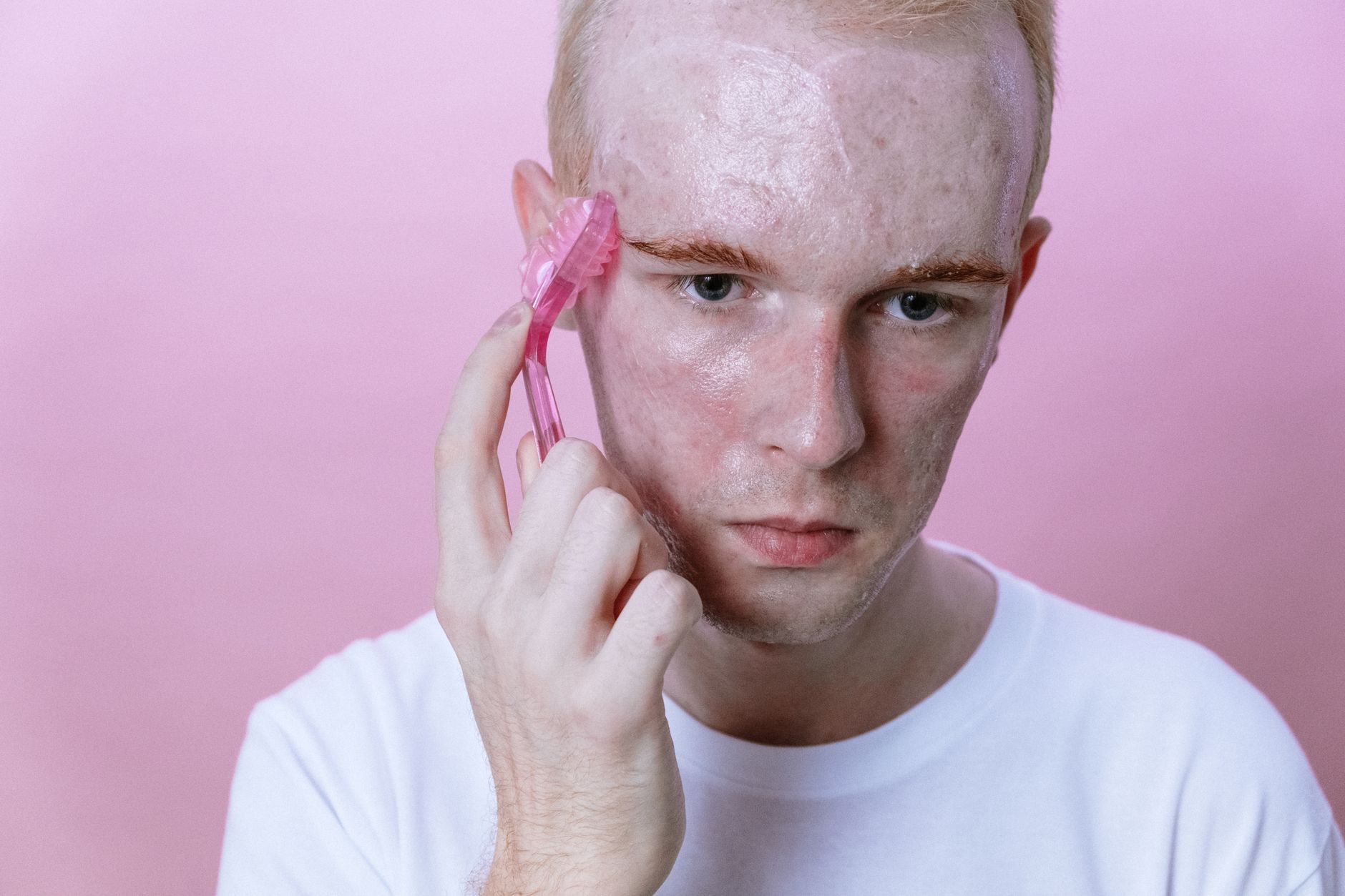
Retinol helps mild acne and uneven texture by unclogging pores and calming inflammation. It is a mild over-the-counter vitamin-A form, while stronger prescription retinoids act more directly and are preferred for persistent or moderate-severe acne. Expect slow progress and some early dryness or redness. Success depends on steady nightly use, daily sun protection, and knowing when prescription care is the better fit.
Medical information disclaimer: This article is for general educational purposes only and does not provide medical advice, diagnosis, or treatment. Always consult a physician or other qualified health professional about symptoms, medications, tests, or treatment decisions.
Table of Contents
- How does retinol fight breakouts?
- Is over-the-counter retinol enough?
- How long does clearing take?
- What safety steps matter most?
- What should you do next?
How does retinol fight breakouts?
Topical retinoids normalize how skin cells shed inside the pore. That action helps prevent clogs that become blackheads, whiteheads, and inflamed pimples. A 2022 clinical review in the American Journal of Clinical Dermatology also describes an anti-inflammatory effect, including reduced bacterial-driven inflammation, Toll-like receptor signaling, cytokines, and nitric oxide, as reported in the full review.
In practical terms, the drug addresses both clogging and redness rather than bacteria alone. That dual action explains why retinoids remain a foundation of acne care. They do not work as a spot treatment.
Is over-the-counter retinol enough?
Over-the-counter retinol suits mild breakouts, rough texture, and maintenance after acne clears. Prescription options such as tretinoin, adapalene, tazarotene, and trifarotene act more directly and are usually chosen for moderate-severe or stubborn acne. The Cleveland Clinic explains this strength difference and notes that prescription retinoids are preferred when acne persists, in its retinol overview.
Current American Academy of Dermatology guidance also supports topical retinoids across acne severity levels for patients age 9 and older, including combinations with benzoyl peroxide or antibiotics. Ask a clinician if breakouts are deep, painful, widespread, or leaving marks. That pattern often needs prescription treatment rather than a stronger retinol.
How long does clearing take?
Improvement usually takes at least 12 weeks of consistent nightly use. Acne may look worse during the first weeks as tiny hidden clogs reach the surface. Stopping after four to six weeks misses the treatment window.
Track progress by month, not by day, and keep the routine steady unless burning or swelling occurs. Use one pea-sized amount for most of the face. More product does not speed clearing and often increases peeling.
What safety steps matter most?
Common effects include dryness, redness, peeling, burning, and greater sunburn risk. The federal tretinoin gel label directs a thin once-daily bedtime layer, daily SPF 30 or higher, and avoidance on sunburned, broken, or eczematous skin, according to the FDA label hosted by DailyMed.
People who are pregnant, planning pregnancy, or breastfeeding should avoid retinoids unless a clinician finds the benefit justifies the fetal risk. The Cleveland Clinic notes that oral tretinoin is teratogenic and topical fetal risk cannot be excluded.
- Apply to dry skin at bedtime, then add moisturizer.
- Start two to three nights per week, then increase as tolerated.
- Use sunscreen each morning and reapply during sun exposure.
- Pause use on irritated, sunburned, or broken skin.
What should you do next?
Start low and slow, use moisturizer, and do not combine two retinoids at once. A clinician may advise adding benzoyl peroxide or another acne treatment for better control.
Seek dermatology care for severe acne, scarring, dark marks that persist, or acne that worsens after three months of careful use. Bring a list of all skin products, because cleansers, exfoliants, and toners can add irritation.
You Might Also Like
- Understanding Spearmint Tea Acne: Evidence, Limits, and Next Steps
- Microneedle Radiofrequency With Low-Dose Isotretinoin in 2026: What the Findings Mean for Teens With Inflammatory Acne
- Fish Oil With Low-Dose Isotretinoin in a 2026 Randomized Trial: Questions Teens With Inflammatory Acne Can Ask a Dermatologist