
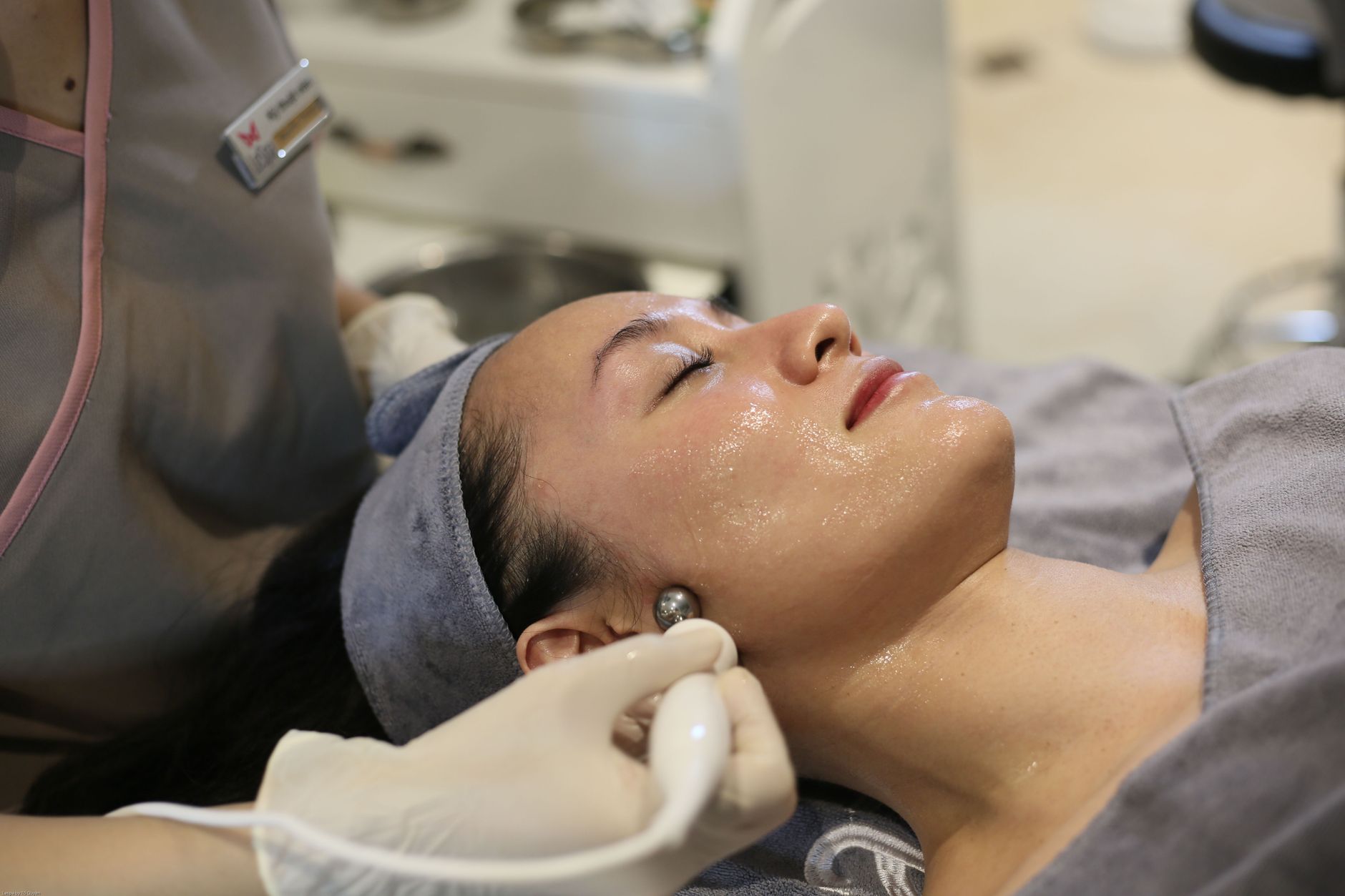
For teens with inflammatory acne, the 2026 takeaway is cautious optimism: combining microneedle radiofrequency with low-dose isotretinoin may improve clearance and limit scarring more than isotretinoin alone. Microneedle radiofrequency — tiny needles that deliver heat energy into the dermis — remains an add-on, not a replacement for dermatologist-directed acne care.
That context matters because teen acne often leaves both active breakouts and early scars. Isotretinoin calms severe inflammation from the inside, while microneedle radiofrequency targets oil glands, skin texture, and scar remodeling. The combination is still clinician-directed and closely monitored.
Medical information disclaimer: This article is for general educational purposes only and does not provide medical advice, diagnosis, or treatment. Always consult a physician or other qualified health professional about symptoms, medications, tests, or treatment decisions.
Table of Contents
- What does the combination aim to do?
- What did recent studies test?
- Which teens might be considered?
- What are the limits and safety steps?
What does the combination aim to do?
Isotretinoin reduces sebum, clogged pores, bacteria growth, and inflammation. Low-dose treatment aims to keep those benefits while lowering dryness, lipid changes, and other dose-related effects. Microneedle radiofrequency adds heat injury in tiny columns, which may shrink sebaceous glands and stimulate collagen.
For a teen, the practical goal is fewer tender, red bumps plus less lasting pitting. A teen with cheek nodules and early boxcar scars is a typical example. Treatment does not erase deep scars completely, but it may soften them while acne quiets.
What did recent studies test?
The ICH GCP Clinical Trials Registry describes an ongoing Sun Yat-Sen Memorial Hospital trial in 100 moderate-to-severe acne patients randomized to three microneedle radiofrequency sessions at weeks 1, 4, and 8 plus eight weeks of isotretinoin versus isotretinoin alone, with clearance and scar scores measured through week 20 in the registry listing. The design tests whether early energy treatment adds benefit during active medical therapy.
A smaller completed study points the same way. Dermatology Times, reporting Lasers in Surgery and Medicine, found 38 completers from 42 enrolled moderate-to-severe acne patients had greater scar-volume reduction, lower scar scores, and higher satisfaction and quality-of-life scores with concurrent isotretinoin plus fractional radiofrequency than with delayed radiofrequency or isotretinoin alone in the study report. Dermatologic task-force guidance has also concluded that fractional radiofrequency microneedling, selected lasers, peels, microdermabrasion, and superficial surgery can be safe with concurrent or recent isotretinoin.
Which teens might be considered?
US acne guidance supports oral isotretinoin for severe acne, acne causing scarring or psychosocial burden, or acne failing standard topical or oral therapy in older children and teens. Low-dose strategies draw on UK guidance: the National Institute for Health and Care Excellence directs standard isotretinoin at 0.5-1.0 mg per kg daily and allows a reduced dose below 0.5 mg per kg for people at higher risk of adverse effects in the NICE recommendations.
That lower range is often discussed for teens sensitive to side effects. It is not for every teen with pimples. Consider discussion when breakouts are: A dermatologist still weighs age, growth, mood history, lipids, liver tests, and pregnancy risk before prescribing.
- moderate-to-severe inflammatory papules, pustules, or nodules
- leaving pits, red marks, or dark marks that persist for months
- unresponsive to consistent topicals, benzoyl peroxide, retinoids, or antibiotics
- causing withdrawal from photos, sports, or social activities
What are the limits and safety steps?
US guidelines find evidence insufficient to recommend procedures including chemical peels, laser and light devices, and microneedling for acne itself, so combined use remains off-guideline and clinician-directed. Studies are also small and short-term, commonly reporting transient redness, swelling, and crusting with slightly longer downtime after energy treatment. Teens need realistic plans for school, sports, sun exposure, and makeup during healing days.
Isotretinoin itself requires strict supervision. The National Library of Medicine DailyMed FDA label limits isotretinoin to severe recalcitrant nodular acne in nonpregnant patients age 12 and older with multiple inflammatory nodules unresponsive to conventional therapy including systemic antibiotics, under the iPLEDGE fetal-exposure prevention program in the FDA label. Expect pregnancy testing and prevention counseling when applicable, baseline and follow-up blood work, moisturizer and sunscreen routines, and skin checks before each radiofrequency session. Bring a list of past topicals, antibiotics, side effects, and close-up scar photos to that visit.
You Might Also Like
- Low-Dose Isotretinoin Side Effects in the 2026 Fish Oil Trial: Study Design and Evidence Limits for Teens With Inflammatory Acne
- Fish Oil With Low-Dose Isotretinoin in a 2026 Randomized Trial: Questions Teens With Inflammatory Acne Can Ask a Dermatologist
- Concurrent Acne Procedures and Isotretinoin in 2026 Research: Study Design and Evidence Limits for Teens With Inflammatory Acne