
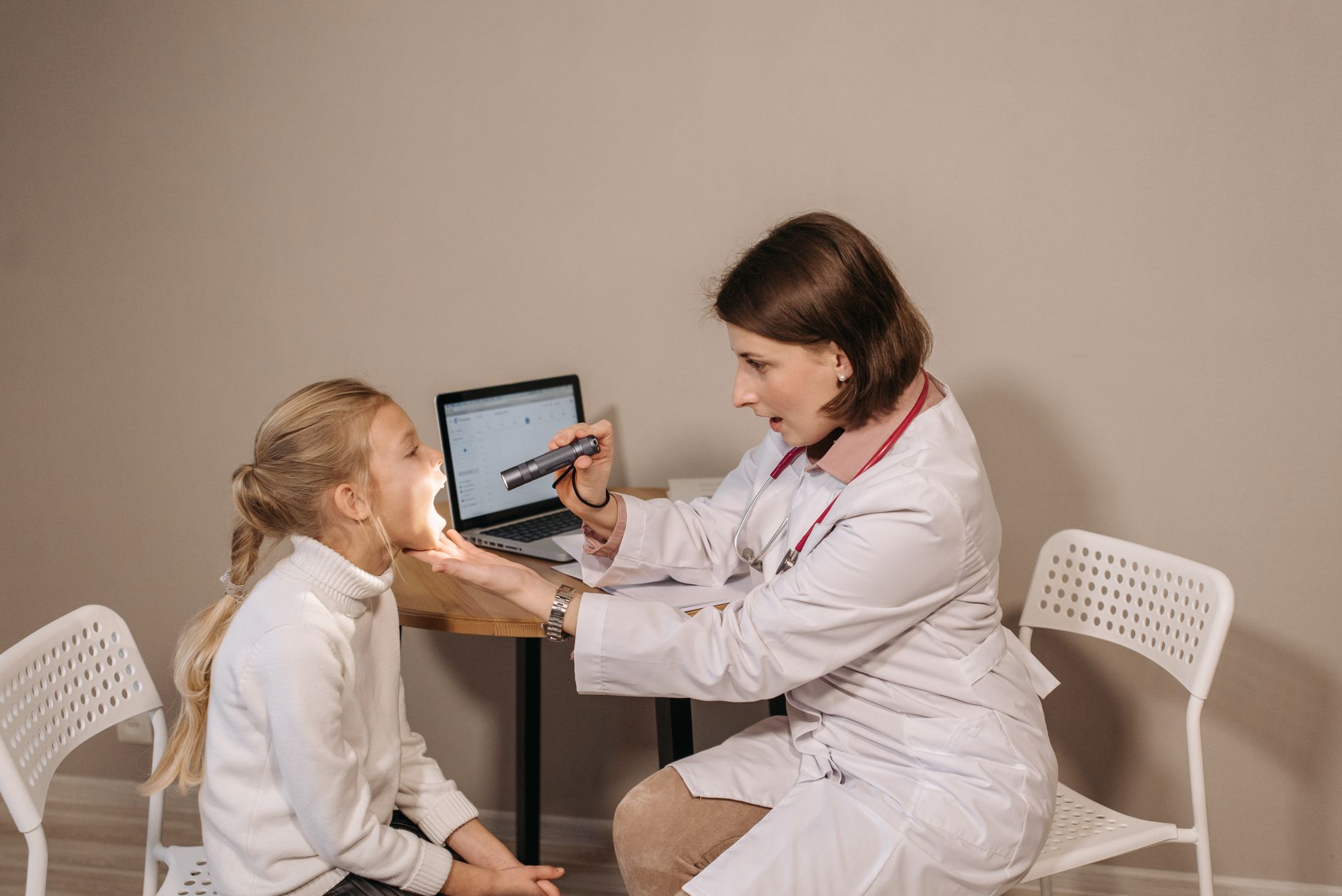
Individualized pediatric acne care was discussed at AAD 2026 in Denver. The briefing focused on early diagnosis and tailored treatment for teens with early acne.
Pediatric acne means breakouts in children and young teens that differ from adult disease. According to the American Academy of Dermatology, Dawn Eichenfield, MD, PhD, of Rady Children's Hospital-San Diego and UC San Diego led the pediatric session. Her message was direct: match evaluation and therapy to the child, not the average patient.
Medical information disclaimer: This article is for general educational purposes only and does not provide medical advice, diagnosis, or treatment. Always consult a physician or other qualified health professional about symptoms, medications, tests, or treatment decisions.
Table of Contents
- What did AAD 2026 emphasize?
- How does early acne look?
- Which guideline-based options fit teens?
- When can testing wait?
What did AAD 2026 emphasize?
The American Academy of Dermatology preview via Kenvue scheduled the 2026 Annual Meeting for March 27-31, 2026, at the Colorado Convention Center in Denver. It billed the event as its comprehensive clinical and academic dermatology forum.
The program asked Eichenfield to explain how pediatric acne and rosacea differ from adult disease. Her session framed early diagnosis and individualized treatment as essential, reports the American Academy of Dermatology in its AAD meeting highlights.
How does early acne look?
Preadolescent acne starting at ages 7-12 is now common. It is often the first sign of puberty, reports the American Acne and Rosacea Society in Pediatrics in its pediatric acne review. It is typically comedonal in the facial T-zone and ears, with sparse inflammatory lesions.
For families, that pattern means small blackheads and whiteheads across forehead, nose, and ears. Red, tender pimples are fewer at this stage. Track where lesions cluster, how long they persist, and what irritates skin.
Which guideline-based options fit teens?
The American Academy of Dermatology guidelines strongly recommend several core options, summarized in the AAD acne guideline summary. They include benzoyl peroxide, topical retinoids, topical and oral antibiotics, fixed-dose combinations, and oral isotretinoin for severe disease.
Listed retinoids include adapalene, tretinoin, tazarotene, and trifarotene. The Journal of the American Academy of Dermatology guidelines recommend multimodal topical therapy with multiple mechanisms rather than single-agent care for most patients. In practice, tailoring means matching the combination to lesion type and skin tolerance.
- Note lesion mix: comedones, red pimples, or both
- Start one combination, allow time, and watch for irritation
- Return for dose, vehicle, or combination change if needed
When can testing wait?
Dermatology Times reporting expert guidance limits endocrine workup to severe, refractory, or hyperandrogenic cases. It refers mid-childhood acne from ages 1-7 for pediatric endocrinology evaluation.
The FDA tested 95 benzoyl peroxide products and found more than 90 percent had undetectable or extremely low benzene, noted in its FDA safety update. Six products with elevated benzene entered voluntary retail-level recall. Check lot numbers on stored products and ask a pharmacist or dermatologist about replacements if needed.
- Severe or treatment-resistant breakouts
- Features suggesting excess androgens
- Acne first appearing at ages 1-7
You Might Also Like
- Individualized Pediatric Acne Care Discussed at AAD 2026: Scarring and Pigment-Change Questions for Teens With Early Acne
- Individualized Pediatric Acne Care Discussed at AAD 2026: How Teens With Early Acne Can Read the Conference Headline Carefully
- Early Pediatric Acne Assessment Highlighted at AAD 2026: A Source-Checked 2026 Briefing for Teens With Early Acne