
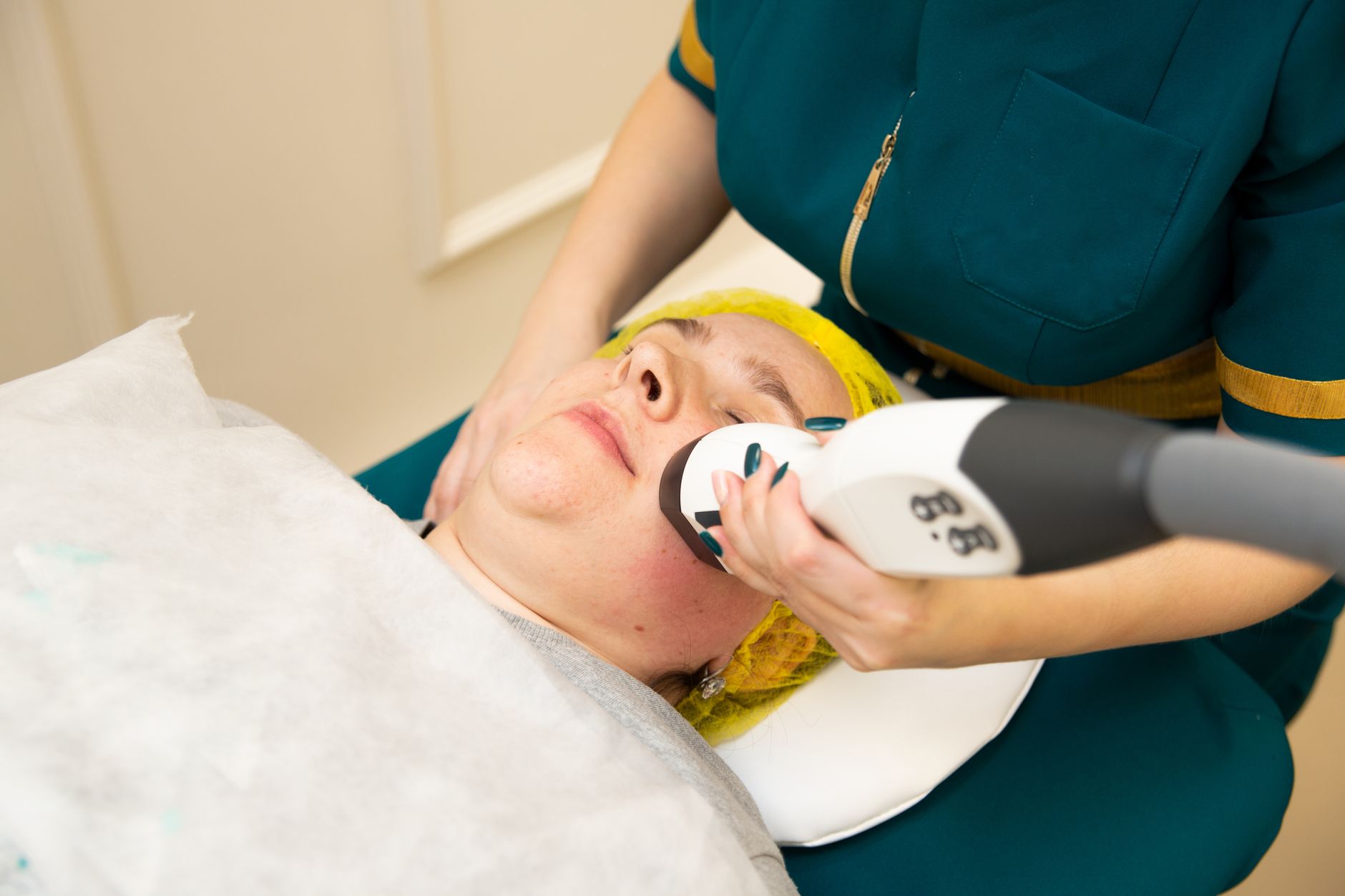
Microneedle radiofrequency, a scar treatment that uses tiny needles to deliver heat energy into skin, combined with low-dose isotretinoin will likely not change routine adult acne care in 2026. Early scar-improvement results remain too small and narrow to replace standard dosing and planned treatment order. Persistent adult acne brings both active breakouts and lasting scars. Readers need clear limits on the new findings, current dosing rules, and practical steps for scar care.
Medical information disclaimer: This article is for general educational purposes only and does not provide medical advice, diagnosis, or treatment. Always consult a physician or other qualified health professional about symptoms, medications, tests, or treatment decisions.
Table of Contents
- What did the combination results show?
- Who faces persistent adult acne?
- Why do dosing rules still favor standard isotretinoin?
- What should you ask before seeking scar treatment?
What did the combination results show?
A 42-patient prospective randomized trial tested isotretinoin with fractional radiofrequency. Dermatology Times reported that concurrent treatment reduced scar volume more than delayed treatment or isotretinoin alone, with better scar scores, satisfaction, and quality-of-life scores in the concurrent-treatment report. A 71-patient retrospective study looked at fractional microneedle radiofrequency plus ablative fractional laser.
Patients taking low-dose isotretinoin or recently finished treatment had fewer inflammatory lesions and further Scar Global Assessment improvement. A prospective split-face trial compared radiofrequency microneedling with fractional CO2 laser for atrophic scars. Both improved scars, but radiofrequency microneedling had faster recovery, fewer pigment events, and higher safety satisfaction, according to the 2026 PubMed-indexed report in the split-face trial summary.
Who faces persistent adult acne?
Persistent acne often affects women over 25. Studies estimate prevalence at 12-54% in this group. Lesions are commonly mild to moderate and appear on the face.
Scarring risk accompanies active breakouts, plus lower self-esteem, anxiety, and depression. Daily life makes these effects concrete. Makeup may not cover pitted scars, work photos can trigger avoidance, and picking can worsen marks.
Why do dosing rules still favor standard isotretinoin?
Current UK guidance still prescribes standard isotretinoin at 0.5-1 mg/kg daily. The National Institute for Health and Care Excellence reserves dosing below 0.5 mg/kg for people at higher risk of adverse effects or experiencing them, as stated in the NICE acne recommendations. U.S.
dermatology guidance strongly recommends isotretinoin for severe acne or acne that fails standard oral or topical therapy. Traditional daily dosing remains conditionally preferred over intermittent dosing. For adults, this means low dose is not a routine shortcut. A clinician weighs severity, prior therapy, side-effect risk, and scar goals before choosing a dose.
What should you ask before seeking scar treatment?
Small, narrow samples limit the findings. The concurrent-treatment trial had 38 completers, other work was retrospective, and one analysis included only Fitzpatrick skin types II-III.
That narrow base reduces confidence for diverse adult skin. Pigment risk, healing time, and scar type can differ by person and device setting. Use these steps at a dermatology visit: Bring your full acne history, scar photos, and contraception plan to that visit.
- Ask whether active acne must clear before any energy device.
- Ask which scar types you have and which device suits them.
- Review isotretinoin risks, sun care, and expected downtime.
- Confirm pregnancy prevention under the FDA iPLEDGE REMS, which requires two contraception methods and monthly testing before, during, and one month after treatment, detailed in the FDA prescriber guide.
You Might Also Like
- Microneedle Radiofrequency With Low-Dose Isotretinoin in 2026: Who Was Studied and Who Was Not for Adults With Persistent Acne
- Cumulative Isotretinoin Dose and Acne Relapse in a 2026 Trial: Who Was Studied and Who Was Not for Adults With Persistent Acne
- The 36-Patient Acne Laser Pilot Published in 2026: Safety and Monitoring Questions for Adults With Persistent Acne