
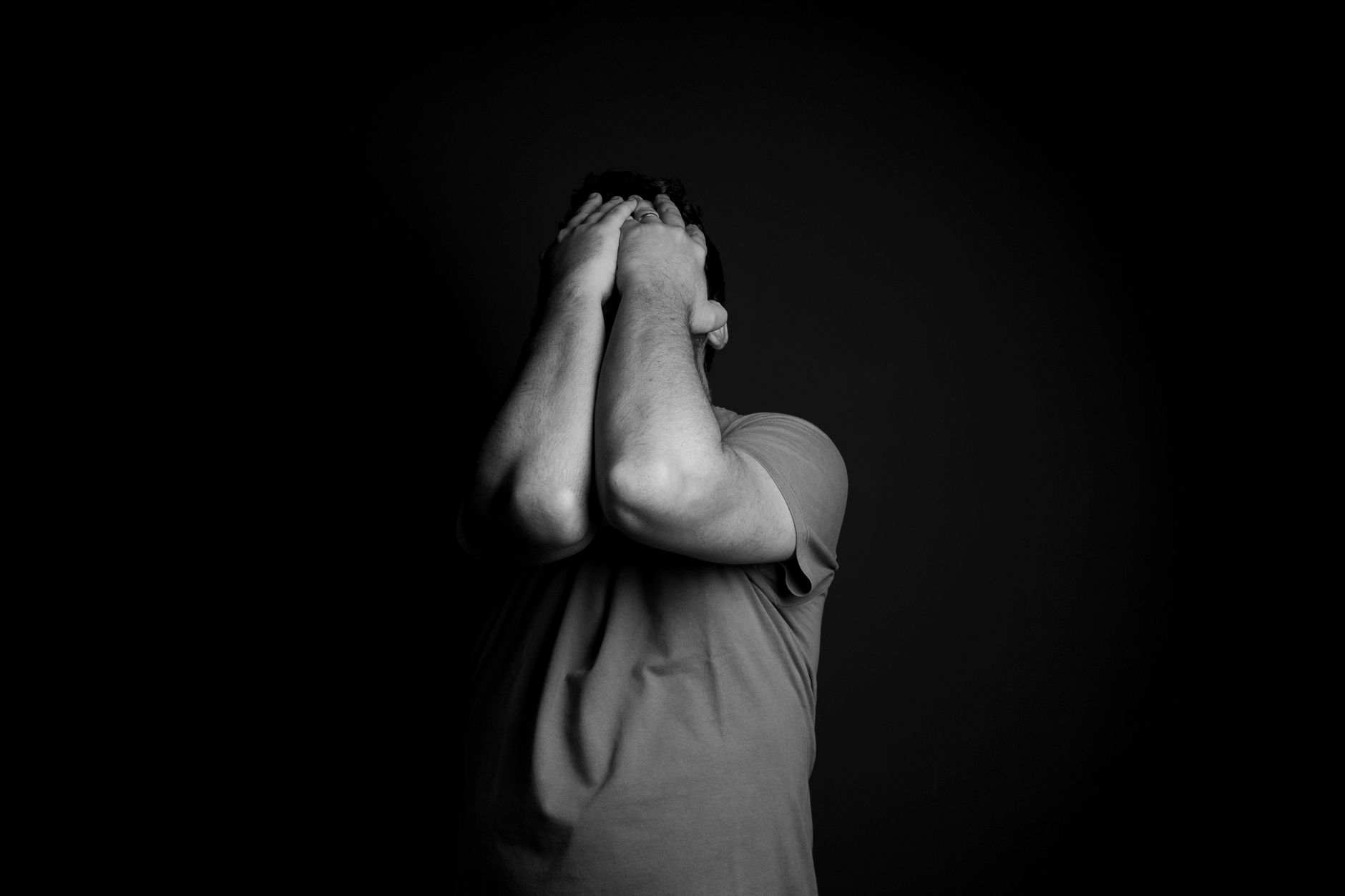
research shows body-image distress raises depression in young adults with acne mainly through rigid thinking and social avoidance, not pimples alone. Short, standard questions for depression, anxiety, and suicidal thoughts can flag who needs prompt care.
Psychological inflexibility means getting stuck in harsh thoughts about looks and acting on them despite goals. Social avoidance means skipping class, photos, dating, or work events because of skin. Together they explain much of the link between shame and low mood.
Medical information disclaimer: This article is for general educational purposes only and does not provide medical advice, diagnosis, or treatment. Always consult a physician or other qualified health professional about symptoms, medications, tests, or treatment decisions.
Table of Contents
- How does body image turn acne into depression?
- Does worse acne mean worse mood?
- Which depression questions should young adults use?
- Which anxiety questions capture acne-related worry?
- When should you ask about suicide right away?
How does body image turn acne into depression?
A 2026 survey of 201 adults ages 18-29 with acne at two Hangzhou hospitals found body-image disturbance raised depression mainly indirectly. Psychological inflexibility and social avoidance mediated 84.1% of the total effect, according to Frontiers in Public Health in the 2026 survey report. That pattern matters for treatment choices. Clearing lesions may help, but checking mirror checking, camouflaging, reassurance seeking, and canceled plans matters too.
A reader who avoids video calls or cancels dates after a breakout fits this pathway. The practical takeaway is direct. Treat both skin and coping habits that keep shame active. A dermatology visit plus skills for flexible thinking and gradual social return targets the main driver.
Does worse acne mean worse mood?
Not always. Severity often does not predict distress for a given person. In J. Personalized Medicine, researchers found 43.2% of acne patients had depression on DASS-21 but no link of severity to depression, anxiety, stress, or eating attitudes, described in the severity-distress study.
Population risk still rises with severe disease. A large pediatric sample in a 2025 systematic review in the American Journal of Clinical Dermatology estimated severe acne raised odds of anxiety to 3.45, depression to 2.46, ADHD to 2.09, and insomnia to 1.85 among 9,417 children under 18. So use severity as a signal, not a verdict. Mild acne with strong shame and withdrawal deserves attention. Severe, painful, or scarring acne deserves faster treatment and routine mood checks.
Which depression questions should young adults use?
The PHQ-9 screens depression with 9 DSM-based items about the last 2 weeks scored 0-3 each. Totals of 5, 10, 15, and 20 mark mild, moderate, moderately severe, and severe depression, with item 9 covering self-harm thoughts, per the PHQ-9 form from Pfizer PRIME-MD via Ohio State in the PHQ-9 form. Ask about low interest, low mood, sleep change, low energy, appetite change, self-criticism, trouble concentrating, slowed or restless movement, and thoughts of self-harm. Score each from not at all to nearly every day.
Add the scores and note item 9 separately. Use the total to guide next steps. A score of 10 or higher, a rising score, or any self-harm thought warrants prompt clinical contact. Bring the completed form to primary care, dermatology, or counseling.
Which anxiety questions capture acne-related worry?
The GAD-7 screens anxiety with 7 items about the last 2 weeks. Items cover nervousness, uncontrollable worry, over-worrying, trouble relaxing, restlessness, irritability, and fear something awful will happen. Cutoffs of 5, 10, and 15 mark mild, moderate, and severe symptoms, per a Frontiers in Psychology psychometric review. These questions fit acne worries well.
They catch pre-event dread before photos, parties, or presentations. They also catch after-event replay about stares or comments. Track the score across flares and treatment changes. A score of 10 or higher, panic, missed school or work, or avoided social life calls for clinical review. Share triggers alongside the score so care targets avoidance.
When should you ask about suicide right away?
Ask now if mood drops sharply, hopelessness grows, or acne distress brings thoughts of death. A New Zealand survey of 9,500 students ages 12-18 found 34% of those reporting acne had suicidal thoughts and 13% reported a suicide attempt, prompting a University of Auckland call to screen young acne patients for depression, reported in Contemporary Pediatrics. Use the NIMH Ask Suicide-Screening Questions, 4 yes/no items taking about 20 seconds.
The items ask about wished dead, family better off if dead, thoughts of killing self, and prior attempt, with any yes triggering an acuity question about current thoughts of killing self, per NIMH in the ASQ toolkit. A JAAD meta-analytic review found acne vulgaris increases risk for depression and anxiety and urged aggressive acne treatment plus psychiatric screening or referral. If any suicide-screen answer is yes, ask about current intent, stay with the person, and seek same-day care or emergency help.
- wished you were dead
- felt family would be better off if you were dead
- had thoughts of killing yourself
- ever tried to kill yourself
You Might Also Like
- Psychological Burden Across Acne Severity in 2026 Research: Support Options Young Adults With Acne Can Discuss
- Mental Health Screening Questions Raised by 2026 Acne Research: Support Options Young Adults With Acne Can Discuss
- The 2026 Systematic Review of Acne and Quality of Life: Mental Health Screening Questions for Young Adults With Acne