
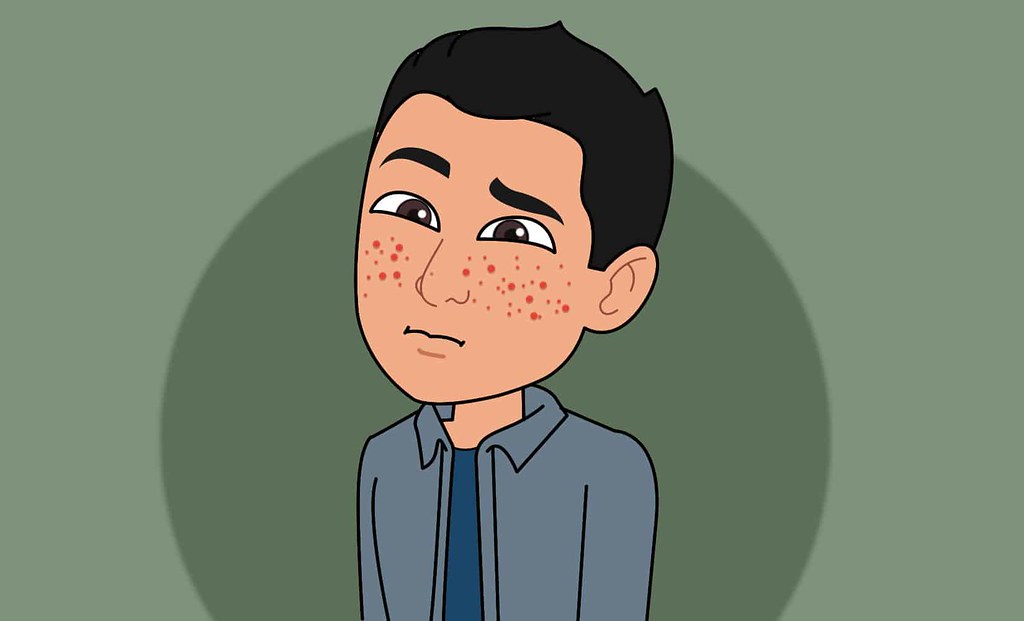
The 2026 acne body image study does not prove causation because it measured body image, coping patterns and depression at one time. A one-time survey can show links between factors, but it cannot show which came first. Body image disturbance means persistent worry, distress or impaired daily life tied to how your skin looks. The study points to useful care steps for young adults with acne even though it cannot prove cause.
Medical information disclaimer: This article is for general educational purposes only and does not provide medical advice, diagnosis, or treatment. Always consult a physician or other qualified health professional about symptoms, medications, tests, or treatment decisions.
Table of Contents
- What the 2026 study found
- Why the design cannot show cause
- Who the results best describe
- What to do if acne affects mood or social life
What the 2026 study found
Frontiers reports researchers surveyed 201 young adults ages 18-29 with acne at two tertiary hospitals in East China from December 2024 to February 2025 the full study text. The group was 72.1% female and completed standard scales for body image, psychological inflexibility, social avoidance and depression.
Body image disturbance was linked to depression mainly through psychological inflexibility, which carried 70.8% of the effect. A second path ran through inflexibility plus social avoidance, and together these indirect paths made up most of the link, according to the analysis detailed in the study PDF.
Why the design cannot show cause
The survey captured body image, mediators and depression at one visit, so exposure-outcome timing cannot be ordered from its data. Someone might feel low first and then view acne more harshly, or acne distress might lower mood.
That limit is basic to the method. The National Institutes of Health explains that cross-sectional designs measure exposure and outcome together, allow only association, and cannot prove temporal precedence or rule out reverse causation the NIH methods review.
Who the results best describe
The sample was narrow: hospital patients in one region of China, mostly young women. Results may differ for men, teens, adults over 29, community acne cases, and U.S. readers.
Confounders also matter. Acne severity, self-esteem, social-media exposure and prior mental health can shape both body image and depression. Another 2026 acne study found poorer skin-related quality of life and higher anxiety tracked with greater body image disturbance, which fits a broader pattern rather than one cause.
What to do if acne affects mood or social life
Acne is common, with the American Academy of Dermatology reporting nearly 50 million Americans affected yearly and about 85% of ages 12-24 having at least mild acne the Academy update. High prevalence does not make distress minor; it means many young adults face the same trade-off between treating skin and protecting mood.
Dermatology authors recommend brief psychosocial screening plus referral for CBT, mindfulness, stress reduction or Acceptance and Commitment Therapy when acne patients show anxiety, depression, body-image concerns or poor adherence the dermatology expert review. Practical steps readers can discuss at a visit include:.
- Ask for a short mood, anxiety and body-image check alongside acne treatment
- Name specific triggers, such as photos, dating, sports, work or missed doses
- Ask whether therapy, support skills or a mental-health referral fits alongside skin care
You Might Also Like
- The 2026 Systematic Review of Acne and Quality of Life: Study Limits and Care Implications for Young Adults With Acne
- Psychological Burden Across Acne Severity in 2026 Research: Study Limits and Care Implications for Young Adults With Acne
- Mental Health Screening Questions Raised by 2026 Acne Research: What the Findings Mean for Young Adults With Acne