
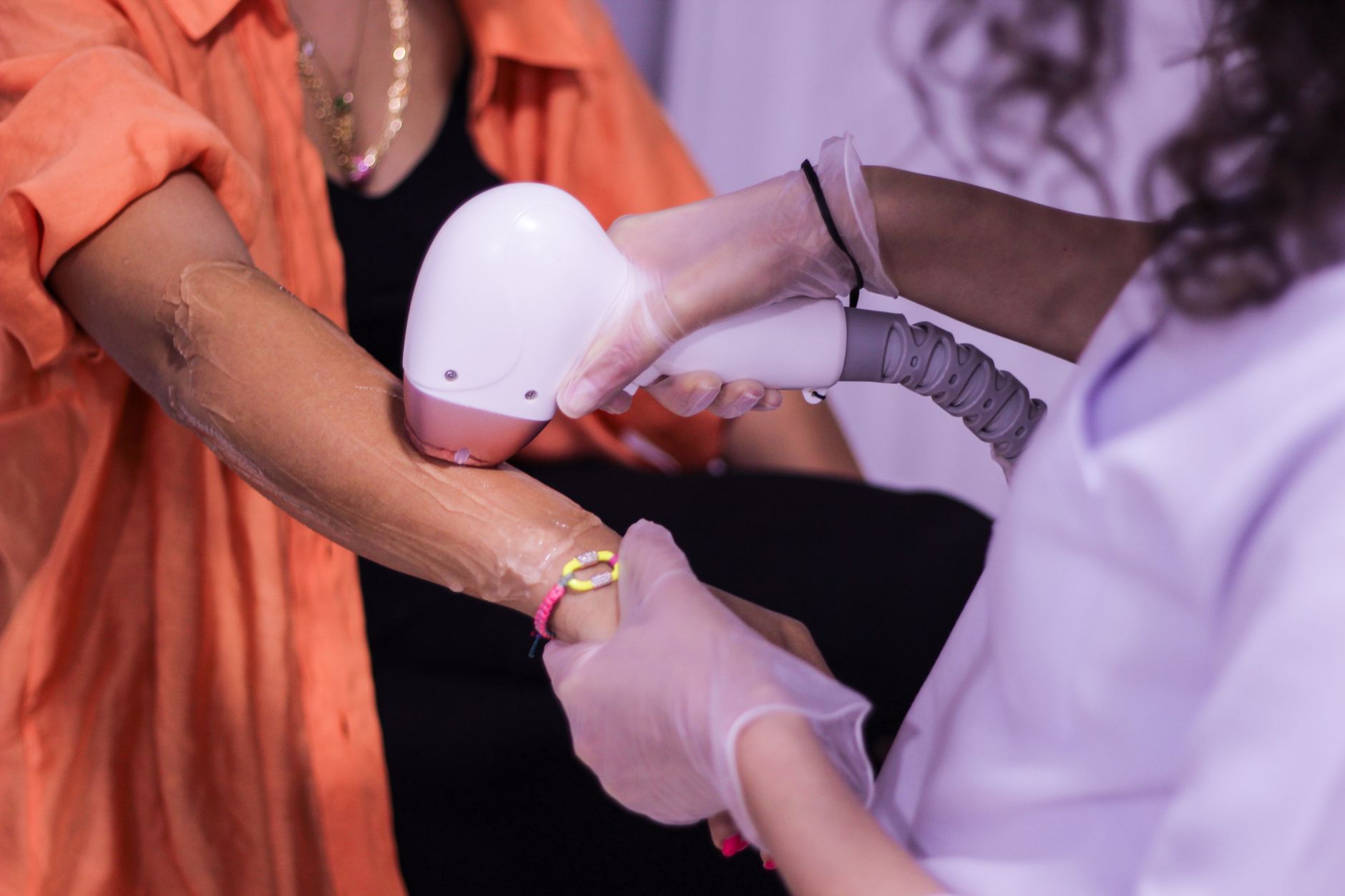
The 2026 three-arm pilot enrolled 36 patients with moderate-to-severe inflammatory acne for IPL, pulsed-dye laser, or Q-switched 1064-nm Nd:YAG. It did not cover mild, mainly comedonal, scarring, or erythema-dominant persistent adult acne.
Inflammatory acne means red papules and pustules from inflamed pores. IPL uses broad-spectrum light pulses, PDL uses dye-amplified yellow light aimed at vessels, and Nd:YAG uses 1064-nm infrared laser energy. Adults considering these options should first check whether their acne matches the studied group.
Medical information disclaimer: This article is for general educational purposes only and does not provide medical advice, diagnosis, or treatment. Always consult a physician or other qualified health professional about symptoms, medications, tests, or treatment decisions.
Table of Contents
- What improved in the pilot?
- How did safety and comfort compare?
- Who falls outside this evidence?
- How should adults discuss device choice?
What improved in the pilot?
Lesion counts and severity scores fell significantly within each arm during treatment, so each modality improved inflammatory acne from baseline, according to the U.S. National Library of Medicine PubMed record PubMed trial record. The changes were measured across treatment sessions in all three groups. No arm failed to improve. No significant differences appeared between IPL, PDL, and Nd:YAG at any session, with reported P-values of 0.06 to 0.92, according to the U.S.
National Library of Medicine PubMed record PubMed trial record. That pattern favors similar short-term efficacy for inflammatory lesions. It does not declare one device superior. Cardiff Acne Disability Index scores also fell from baseline to two weeks after treatment. Lower scores mean less acne-related disability and better daily quality of life. The benefit was functional as well as visible.
How did safety and comfort compare?
Harms were minimal in the short follow-up period. One PDL-treated participant developed mild erythema, or temporary skin redness. Procedural pain was lower in the Q-switched Nd:YAG arm than with IPL or PDL. Pain matters because acne protocols use repeated sessions.
A less painful option may be easier to complete. With about 12 patients per arm and follow-up to two weeks post-treatment, the pilot cannot rule out rare harms, relapse, or long-term persistence relevant to chronic adult acne. Adults with persistent disease should view this as early comparative evidence. Longer studies are still needed for durability.
Who falls outside this evidence?
The trial selected only moderate-to-severe inflammatory disease. Results apply most directly to adults with persistent red papules and pustules at that severity. Other common adult patterns were not tested.
Adults in these groups were not studied: Do not assume the same response for a different acne type. A comedonal or scar-focused plan uses different treatments and goals. Ask your clinician whether your diagnosis matches the pilot population.
- mild acne with few inflammatory lesions
- predominantly comedonal acne with blackheads and whiteheads
- acne with prominent scarring as the main concern
- erythema-dominant disease where persistent redness outweighs active pimples
How should adults discuss device choice?
For adults with persistent inflammatory acne plus erythema, practical factors may guide choice because efficacy looked similar. Earlier split-face testing found PDL and 1064-nm Nd:YAG equally effective, with fewer adverse effects on Nd:YAG sides, according to the Laser and Health Academy summary Laser and Health Academy summary.
Pain tolerance, redness risk, skin type, cost, and access may then matter more than small efficacy differences. Bring a short checklist to the visit: Ask which device the clinic uses, what settings suit your skin type, and what follow-up is planned after the last session. Request a written plan for maintenance if breakouts persist beyond two weeks.
- current lesion type, severity, and prior treatments
- tendency toward prolonged redness or pigmentation changes
- pain sensitivity and session schedule constraints
- budget, insurance coverage, and local device availability
You Might Also Like
- Treatment Response in the 2026 Cumulative Isotretinoin Dose Trial: Who Was Studied and Who Was Not for Adults With Persistent Acne
- Low-Dose Isotretinoin Side Effects in the 2026 Fish Oil Trial: Who Was Studied and Who Was Not for Adults With Persistent Acne
- Concurrent Acne Procedures and Isotretinoin in 2026 Research: Who Was Studied and Who Was Not for Adults With Persistent Acne