
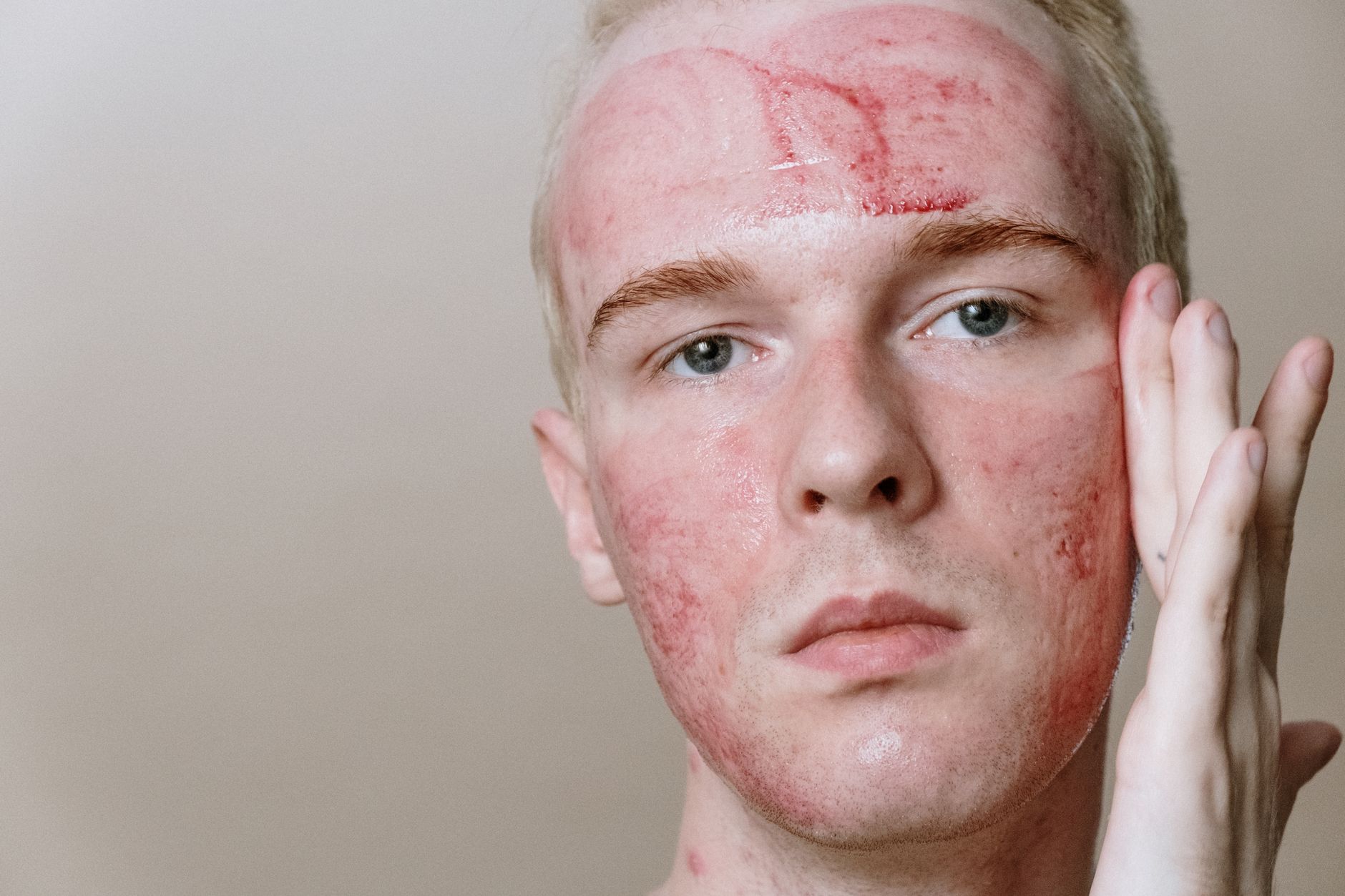
Acne mechanica is breakouts triggered when repeated pressure, friction, heat and sweat irritate oil glands. A research review finds it clusters where gear touches skin, overlaps with a few look-alikes, and often improves when the trigger is removed or buffered. The term describes papules and pustules that resemble common acne but start with physical irritation. The irritants include rubbing, stretching, occlusion and trapped sweat around the pilosebaceous unit, which is the hair follicle plus its oil gland.
Medical information disclaimer: This article is for general educational purposes only and does not provide medical advice, diagnosis, or treatment. Always consult a physician or other qualified health professional about symptoms, medications, tests, or treatment decisions.
Table of Contents
- Who gets it and where it shows up
- Why friction turns into acne-like bumps
- Why it is easy to mistake for something else
- What reduces flare-ups in daily life
Who gets it and where it shows up
Football and hockey players are among the most affected groups. Breakouts appear on the forehead, chin, preauricular areas and shoulders where helmets, chin straps and pads press, according to the CMAJ review in the full CMAJ review.
Other cases come from chin straps in equestrians, bag straps in golfers, and packs and straps in soldiers. Hats, headbands, bras, backpacks and synthetic uniforms can cause the same pattern along contact lines.
Why friction turns into acne-like bumps
Pressure plus rubbing traps heat, humidity, sebum and sweat against the follicle. That combination occludes the opening and keeps the area warm and damp, which encourages papules and pustules, as described in the CMAJ overview.
Face masks work the same way. Pressure, rubbing, trapped heat, humidity, sebum, sweat and altered microflora block follicles along mask edges, a process Cleveland Clinic dermatologist Shilpi Khetarpal calls maskne in the Cleveland Clinic maskne guide.
Why it is easy to mistake for something else
Allergic contact dermatitis from rubber chemicals in gear can look similar. Folliculitis can also mimic these bumps, especially after sweaty activity.
Dermatologists separate them by history, distribution and exposure. A rash that follows strap lines after practices or shifts points toward mechanica rather than a new cleanser or a widespread infection.
What reduces flare-ups in daily life
The most direct step is less contact for less time. Loosen what can be loosened safely, take gear off promptly after play or work, and place a barrier between rough material and skin. Useful habits include:.
- wear a clean cotton or moisture-wicking shirt under uniforms and pads
- wash affected skin promptly after activity
- clean pads, straps, chin cups and helmet liners on schedule
- add keratolytic care such as salicylic acid only when advised, according to American Academy of Dermatology guidance shared in the dermatology sports-skin update
You Might Also Like
- Skin Microbiome Outcomes in the 2026 Probiotic Acne Review: Evidence Limits and Open Questions for Adults With Persistent Acne
- The 2026 Global Delphi Consensus on Acne and the Microbiome: Evidence Limits and Open Questions for Adults With Persistent Acne
- Acne Purge Update 2026: Evidence and Open Questions