
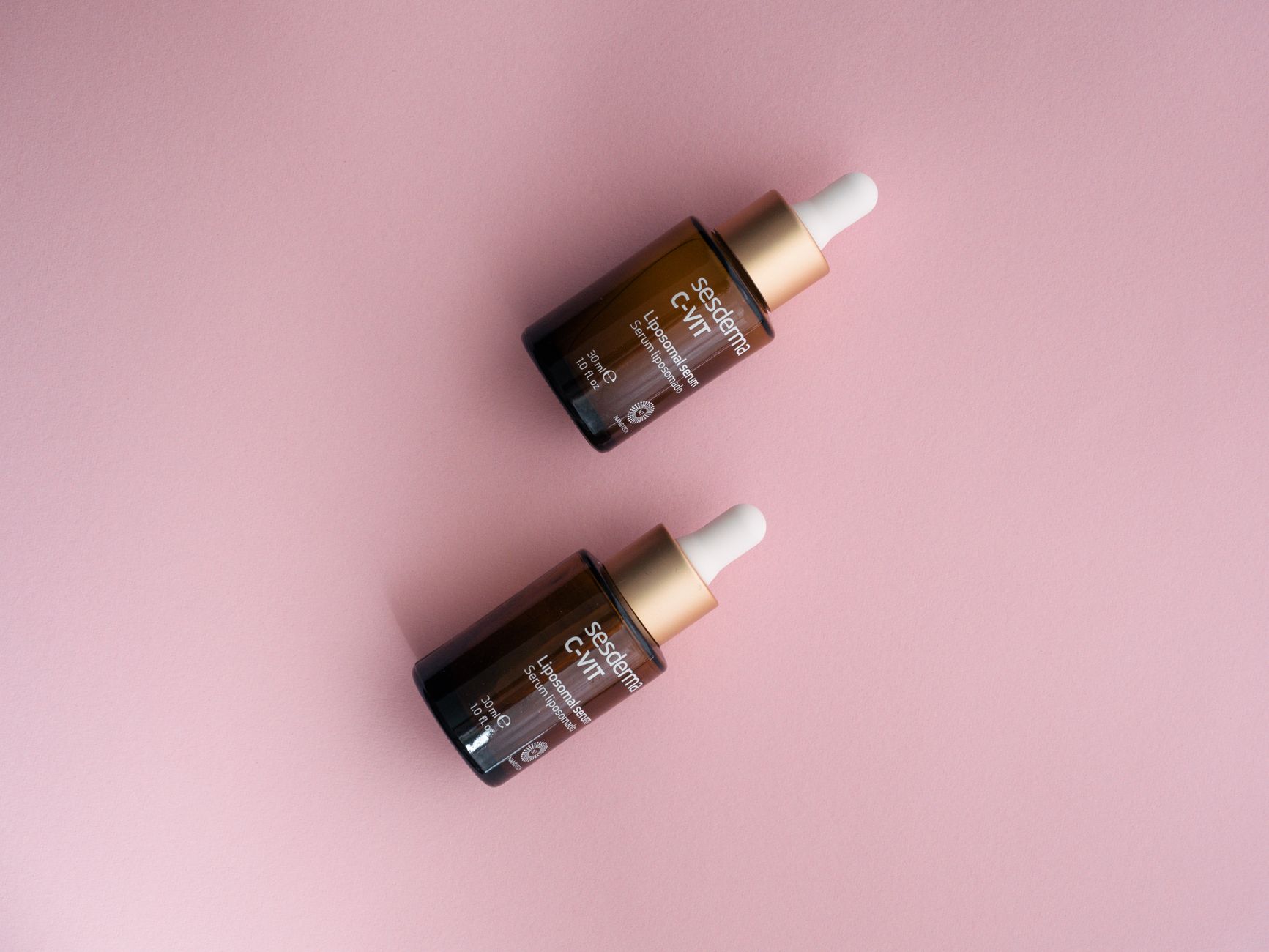
If your scars are mainly icepicks, vitamin C, vitamin E and ferulic acid after laser support faster healing, not removal of deep pits. Evidence in 2026 remains small, single-center and short-term, with no powered icepick-only result. Icepick scars are narrow, deep V-shaped pits that drop sharply into skin. CE-ferulic serum means a mix of 15% vitamin C, 1% vitamin E and 0.5% ferulic acid applied right after resurfacing.
Medical information disclaimer: This article is for general educational purposes only and does not provide medical advice, diagnosis, or treatment. Always consult a physician or other qualified health professional about symptoms, medications, tests, or treatment decisions.
Table of Contents
- What the acne-scar serum trial showed
- How small the earlier healing studies were
- Why icepicks respond poorest to laser
- What to ask for if icepicks dominate
What the acne-scar serum trial showed
A randomized investigator-blinded split-face trial in 64 Chinese adults aged 18-50 tested the serum for moderate-to-severe atrophic acne scars. One cheek received CE-ferulic serum after ablative fractional CO2 laser and the other received saline. Healing was faster on the serum side, with less redness and dark pigment and better barrier hydration, according to the 2025 trial report in PubMed Central 2025 split-face trial report.
That result matters for recovery comfort. Less redness, less water loss and more even tone make the first weeks easier. It does not show closure of narrow icepick tracts.
How small the earlier healing studies were
An earlier randomized split-face trial treated 15 healthy adults aged 30-55 for photodamage, not acne scars. One cheek received the antioxidant mix within 2 minutes after fractional ablative CO2 laser and the other received vehicle. The treated side healed faster and showed higher basic fibroblast growth factor at day 5, reported by Henry Ford Dermatology researchers Henry Ford split-face laser study.
A University of Minnesota chart review covered 33 patients and 45 treatment encounters after ablative fractional resurfacing. No side effects were attributed to the serum, which supports short-term tolerance. Tolerance is not proof that pits fill in, and pooled atrophic-scar groups cannot answer icepick-only questions.
Why icepicks respond poorest to laser
Boxcar scars are wide shallow depressions with sharp edges. Rolling scars are wider waves tethered from below. Icepicks are tight deep shafts with little surface opening for laser remodeling.
In 1550-nm erbium fractional laser for atrophic acne scars, boxcar scars improved most with median scar-count reduction of 59.2%, versus 40.6% for rolling and only 19.1% for icepick scars, in the Springer Nature Dermatology and Therapy study erbium fractional scar-type results. A fractional CO2 monotherapy study also found rolling scars responded best while pitted icepick scars responded least. Laser resurfacing alone is unlikely to satisfy patients whose main scars are icepick pits.
What to ask for if icepicks dominate
Treat the antioxidant serum as a healing aid after laser. Direct narrow deep tracts to focal treatment rather than expecting laser plus serum alone to erase them, a point emphasized in current Skin Therapy Letter scar-type guidance laser scar-type guidance. At a visit, work through scar type first:.
- Ask the clinician to map which pits are true icepicks versus boxcar or rolling mix.
- Ask whether focal chemical reconstruction or punch excision fits your deepest tracts.
- Ask how laser plus serum would help healing, redness and texture around those spots.
- Book focal care for pits before broad resurfacing when both are planned.
You Might Also Like
- Vitamin C, Vitamin E, and Ferulic Acid After Acne Scar Laser in 2026: What the Trial Means for People With Icepick Acne Scars
- Vitamin C, Vitamin E, and Ferulic Acid After Acne Scar Laser in 2026: What Longer Follow-Up Must Show for People With Boxcar Acne Scars
- Antioxidant Serum After Fractional CO2 Acne Scar Treatment in 2026: What the Trial Means for People With Icepick Acne Scars